
AI ad prompts: commercial-grade video descriptions that convert

Most AI-generated ads look nice but don't convert. This guide reveals the exact prompt formulas top advertisers use to create commercial-grade video ads with VideoGen—from talking animals to luxury beauty spots. Skip the generic results and start creating ads that actually drive action.

Jonathan Lam 14min read 12 Jan 2026
AI ad prompts

AI video tools have made it faster than ever to generate eye-catching visuals! But in advertising, visuals alone do not convert. High-performing ads rely on clarity, emotional direction, pacing, and a clearly defined brand moment. This is where AI ad prompts make a difference. These prompts are written with intention, guiding the model to think like an advertiser rather than simply generating visually appealing footage.

In this article, you’ll learn how to write AI ad prompts that convert using VideoGen, and how to apply them across four proven advertising trends and styles like humour, emotional storytelling, motivational sports montage, and surreal luxury. Each style includes practical, reusable, and adaptable prompt formulas that enable you to transition quickly from idea to ad-ready video without compromising clarity or brand focus.

Why AI ad prompts matter for commercial video

Most ads only have a few seconds to work. People scroll fast and skip quickly. If the idea is not clear from the start, the video is likely to be ignored. This is where a strong AI video workflow and advanced AI video prompting matter. Effective AI ad prompts clearly convey the video’s message and guide the viewer’s attention from the first frame. Without that clarity, the result may look nice, but it won’t support the campaign or drive real impact.

1. Generic prompts lead to generic results

When AI ad prompts are vague, the output usually is too. Broad descriptions often yield clips that appear pleasant but lack focus or intent. This is a common issue with AI-generated ads created without commercial framing. The product appears briefly, the story feels incomplete, and the video struggles to hold attention. For marketers using an AI ad generator or AI ad maker, this can mean more editing time and weaker performance.

2. Commercial prompts create structure and clarity

Well-written commercial video AI ad prompts are more akin to concise scripts than brief descriptions. They define the opening hook, the scene’s flow, and the moment when the product becomes the hero. This approach mirrors how traditional ads are planned, whether it’s a fast-moving social spot or a cinematic brand piece. Many iconic campaigns, from sports montages to a polished Coca-Cola AI ad concept, rely on this same clarity and structure, even when AI is part of the workflow.

Why advertisers use VideoGen

VideoGen is built for teams that need to explore ideas quickly without committing to a single execution too early. It allows marketers to try different creative angles, test tone and pacing, and generate AI b-roll alongside primary visuals that stay visually consistent. When paired with well-defined AI ad prompts, it supports a more controlled approach to AI-generated ad creative, making it easier to move from concept to usable video while maintaining brand intent, emotion, and structure.

How to write commercial-grade video prompts

Most high-performing AI ads adhere to a similar basic structure. You can think of your AI ad prompts as five connected parts:

[tone] + [hook] + [camera & pacing] + [emotional direction] + [payoff]

You don’t need to write this as a single sentence. Many prompts work better when they are split into short, clear beats. The sections below show how each part of the formula can be written and combined in practice.

1. Define the tone before the visuals

Tone sets expectations. It influences pacing, movement, and how the viewer reads the scene. Starting with tone helps prevent mixed signals, such as calm visuals paired with high-energy motion, or playful ideas rendered too seriously.

ToneExample prompt line
PlayfulPlayful, slightly absurd tone. Light, fun energy throughout.
EmotionalWarm, gentle tone. Calm and reflective mood.
MotivationalHigh-energy, driven tone. Feels focused and determined.
SurrealDreamlike tone. Soft, abstract, and slightly uncanny.

2. Anchor the viewer with a clear hook moment

Ads compete for attention, especially on social platforms. A hook gives the viewer a reason to keep watching. This moment should occur immediately and be easily understood without context.

Hook typeExample prompt line
Visual surpriseOpen with an unexpected action in the first second.
Character reactionStart on a close-up reaction before revealing the scene.
MovementBegin with fast forward motion toward the subject.
ContrastHard cut from darkness to a bright, colourful scene.

3. Specify camera movement and pacing

Camera behaviour shapes how the clip feels. Even basic direction helps control energy and flow, especially in short ad formats.

Camera & pacingExample prompt line
Slow and controlledSlow push-in, steady camera, relaxed pacing.
Fast and dynamicQuick cuts, handheld feel, energetic rhythm.
CinematicSmooth tracking shots, shallow depth of field.
Social-firstTight framing, minimal camera drift, fast tempo.

4. Give emotional direction, not just visuals

Instead of listing objects or environments, describe how the moment should feel. This helps the scene land with intention rather than looking purely decorative.

Emotional intentExample prompt line
ReassuringMoment should feel comforting and trustworthy.
ExcitingScene should feel energising and motivating.
RelatableEveryday, familiar emotion. Nothing exaggerated.
PremiumFeels refined, calm, and confident.

5. Write the prompt like a micro-script

Commercial clips benefit from structure, even at a few seconds long. Thinking in beats helps the video feel complete and gives the product or brand a clear moment to shine.

BeatExample prompt line
OpeningIntroduce the action or character immediately.
BuildIncrease motion or tension slightly.
PayoffEnd on a clean product reveal with space for text.

The four high-performing ad styles (with examples + prompt formulas)

Some ad formats persist because they are easy to follow and effective in various situations. You see them used across various platforms and for a wide range of products. Whether the video is created traditionally or generated using AI, these formats are familiar to viewers and easy to read. Clear AI ad prompts help keep the idea focused so the video lands as intended.

Style 1: Humour (talking animals)

Humour ads work because people grasp the idea immediately. There is usually no setup needed. The joke is visual and lands quickly, often in the first moment. This makes the format useful on feeds where people scroll quickly and stop only for something obvious or unexpected. It is commonly used for everyday products, apps, and youth-focused campaigns, and has even appeared in high-profile concepts, such as a playful Coca-Cola AI ad.

The visuals are usually simple. Shots stay tight on the animal, so the reaction is easy to read. Movements are clear, timing is quick, and gestures are pushed just enough to make the moment obvious. Backgrounds tend to remain light and uncluttered, so nothing distracts from the reaction. Keeping the scene tight and uncluttered makes it easier for advertising AI and ad creative AI tools to produce consistent results.

Prompt elementExample text
TonePlayful, light humour. Simple and obvious, designed to feel fun rather than clever.
HookOpen immediately on a close-up of a dog staring at the camera, then blinking in confusion.
Camera & pacingTight framing, quick cuts, no slow motion. Timing should feel snappy.
Emotional directionThe moment should feel relatable and amusing, not sarcastic or exaggerated.
PayoffEnd with the dog holding the product in the center of the frame, clean background, space for logo.

A brightly lit supermarket checkout aisle. A sloth, impeccably dressed in a crisp red cashier’s apron and a small nametag, stands behind the register. Its movements are incredibly deliberate as it slowly blinks, holding a bunch of ripe bananas with surprising delicacy. Its expression is one of profound, unshakeable calm, completely unperturbed by the slow passage of time. Opposite, a human customer in business attire, visibly exasperated, shifts his weight from foot to foot, his face a mask of escalating frustration, watching the unmoving sloth with an anxious, disbelieving stare.

Tips & tricks:

Strike a balance between detail and clarity, providing enough visual cues (colors, lighting, expressions) without overloading with irrelevant detail. Focus on the key subjects, their actions, and the emotional or visual message.

Style 2: Emotional (animated)

Emotionally charged animated ads are often used when the goal is to establish trust rather than prompt immediate action. This style frequently appears in AI-generated ads for wellness, fintech, education, and nonprofit campaigns, where tone is more important than speed. Soft animation works well with advertising AI because it allows mood and pacing to be guided very clearly through the prompt.

Using VideoGen as an AI ad generator, this approach relies on commercial video prompts that describe feeling and rhythm rather than detailed visuals. Clear AI ad prompts help the output stay calm, warm, and focused, instead of drifting into overly dramatic or generic animation.

Prompt elementExample text
ToneWarm, calm, emotionally gentle. Quiet and reassuring.
HookOpen on a small, slow action, like a character pausing and taking a breath.
Camera & pacingSlow camera movement, steady framing, no fast cuts.
Emotional directionScene should feel caring and hopeful.
PayoffEnd with a simple message or logo appearing softly on screen.

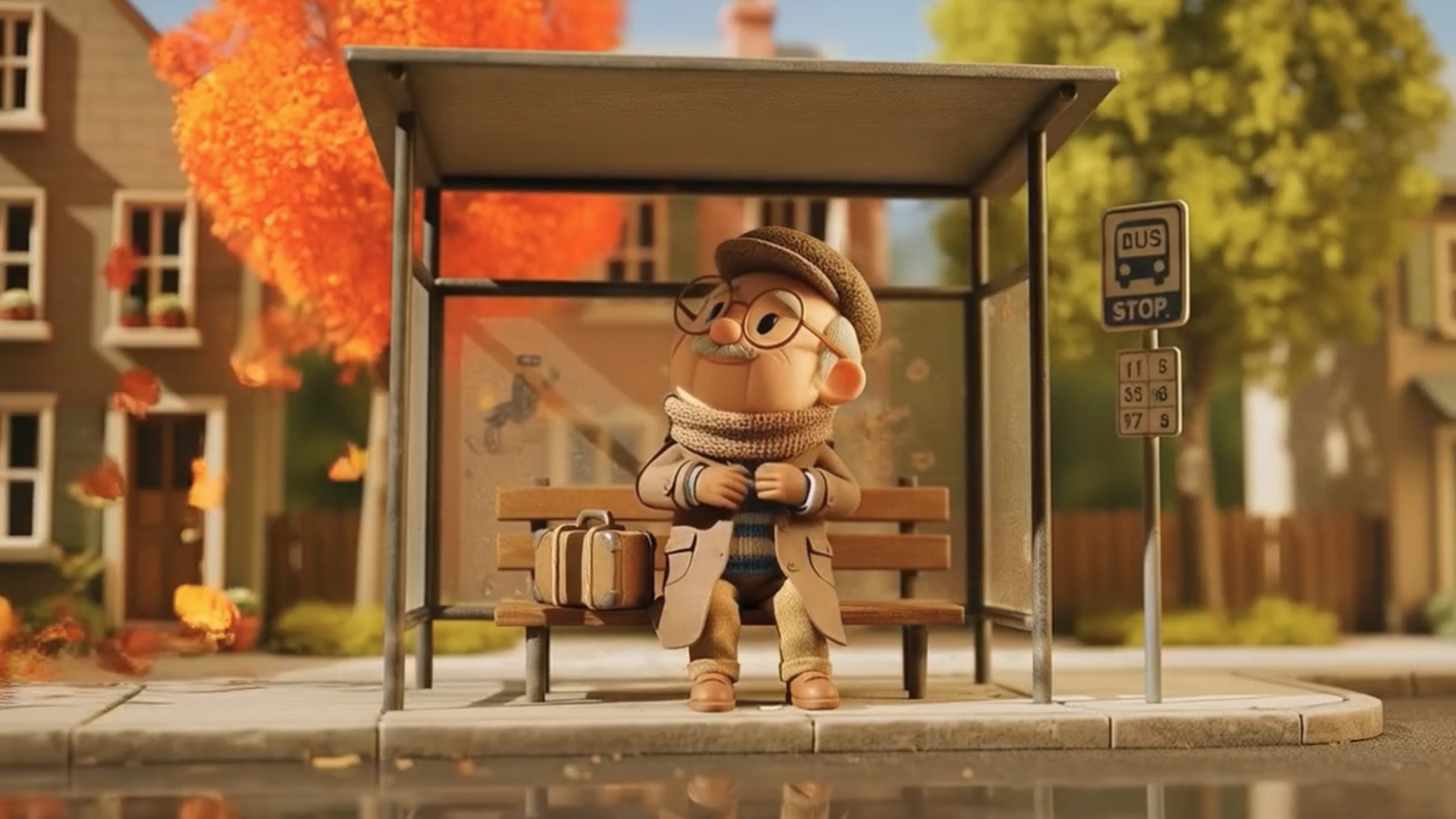
The character waits at the bus station but every second the season changes from summer, to fall, to winter, to spring with a match cut, make it feel as a pixar short film, focusing in emotions and feelings

Tips & tricks:

Add emotional storytelling by clarifying the emotion or intent behind each action. Emotional direction makes the video feel human and memorable.

Style 3: Motivational (sports montage)

Motivational sports ads focus on movement and momentum. They are commonly used in ad creative AI workflows for fitness, apparel, and lifestyle brands because energy reads quickly, even without sound. This format suits short placements where impact matters more than explanation.

When built with an AI ad maker like VideoGen, this style benefits from AI ad prompts that call out motion and rhythm. Simple, direct direction helps the AI ad generator avoid flat or slow sequences.

Prompt elementExample text
ToneDriven, intense, focused.
HookStart mid-action with a runner hitting the ground in slow motion.
Camera & pacingTracking shots, quick cuts, mix of slow motion and speed ramps.
Emotional directionScene should feel determined and powerful.
PayoffEnd on a strong pose with the product or brand clearly visible.

Cinematic film shot of a woman breathing heavily, sweat dripping slowly down her body as she rests in a corner after intense training. Dynamic, high-energy composition, dramatic lighting, expressive movement, in the style of a professional sports commercial. The Camera slowly dollies out.

Tips & tricks:

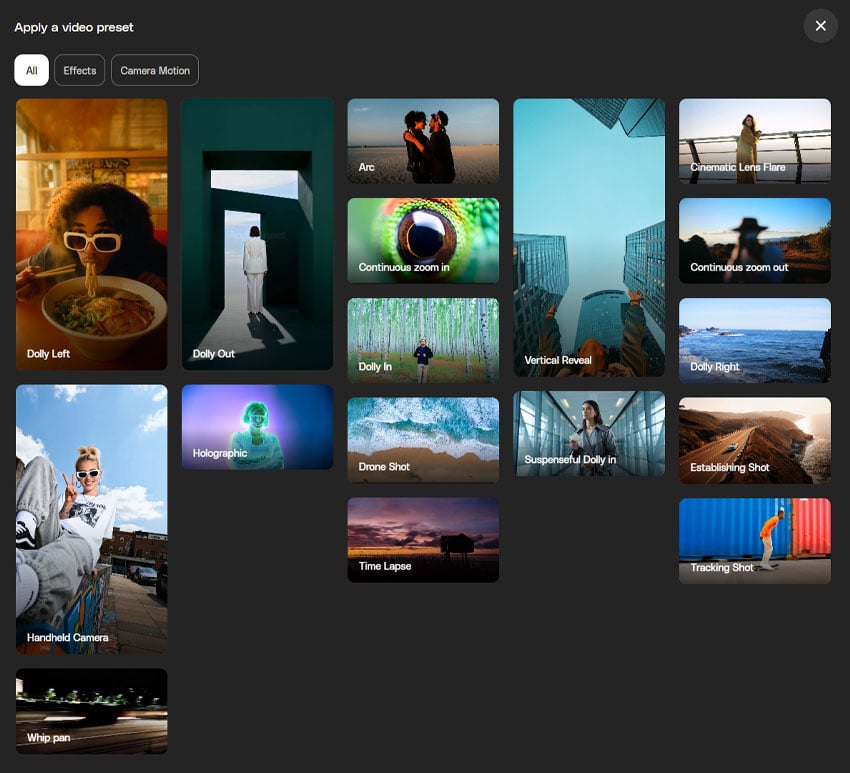
Dolly out/Dolly in VideoGen Presets can add a cinematic feel to subtle movements. Handheld shots add a lot of credibility to the action, and orbits also look more dynamic as they track around the subject.

Style 4: Surreal (beauty ad)

Surreal beauty ads are used to create a mood rather than tell a story. This format is often used in premium AI-generated ads for skincare, fragrance, and lifestyle products, where emotion and memory take precedence over features.

With VideoGen acting as the AI ad generator, this style depends on commercial video prompts that describe atmosphere and flow. Strong AI ad prompts help keep the visuals controlled and intentional, rather than random or overly abstract.

Prompt elementExample text
ToneDreamlike, calm, elegant.
HookBegin with a slow reveal of floating textures in soft light.
Camera & pacingSmooth, drifting camera movement, no sharp cuts.
Emotional directionScene should feel luxurious and intriguing.
PayoffFinish with a clean close-up of the product, centred and glowing.

Ultra top-angle cinematic shot of an elegant woman performing a contemporary dance with passion at an elite staircase, captured in
expressive, artistic poses. She wears a flowing luxury green dress that contrasts with a golden elite staircase. Dynamic composition, bold energy, high-end aesthetic.

Tips & tricks:

Using Nano Banana, you can achieve different shots and camera angles with the same model at different locations.

How to use these prompts with VideoGen

Step 1: Choose a preset

Open VideoGen and pick a preset that matches the tone of your ad. Cinematic works well for premium or dramatic ideas, while stylised or animated presets suit playful or emotional concepts. This sets the visual direction before applying your AI ad prompts.

choose a videogen preset

Step 2: Add your prompt

Paste your AI ad prompts into VideoGen and read them through once. Ensure the tone is clear, the opening moment occurs immediately, and the product or message is presented clearly at the end. Adjust emotion or pacing if needed.

write a prompt in the prompt box

Step 3: Generate variations

Run multiple generations using the same prompt. Compare timing, movement, and clarity across versions. This makes VideoGen an effective AI ad generator for quickly testing ideas.

Generate variations

Step 4: Download and edit

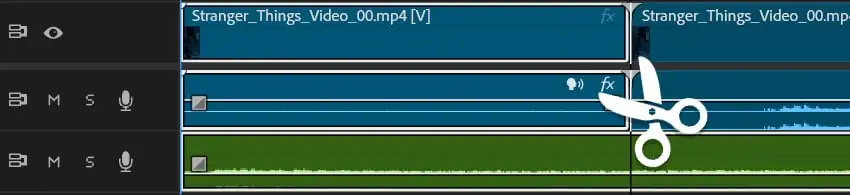
Download the strongest clips and place them into your editing timeline. Arrange them into a simple structure: hook first, then build, then payoff. Keep cuts tight for short AI-generated ads.

Download and edit

Step 5: Finish with sound

Add music or simple sound effects to support the pacing. If the message requires additional clarity, consider recording a brief voiceover. When everything feels balanced, export the ad in the required sizes for each platform.

How to turn AI-generated clips into a finished commercial

Step 1: Create different cut lengths

Begin by assembling a short version of the ad. A brief cut helps determine whether the idea is clear. If it does, extend the same material into longer versions using the same structure and pacing.

If you need a few more seconds for your clip, you can use VideoGen Extend! Simply click on the Extend button and type in what you want to happen next.

Step 2: Add voiceover only if needed

Some ads work without any spoken lines. If the message seems unclear, consider adding a brief voiceover to guide the viewer. Keep it minimal and avoid explaining what is already visible on screen.

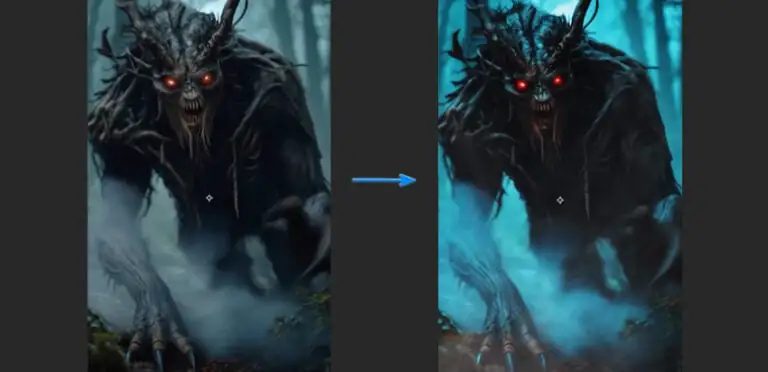
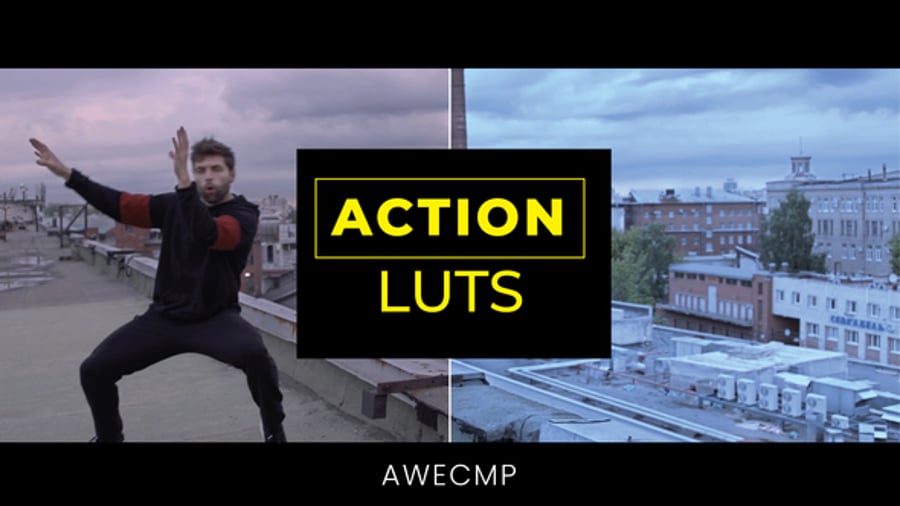
Step 3: Bring the clips into the same visual range

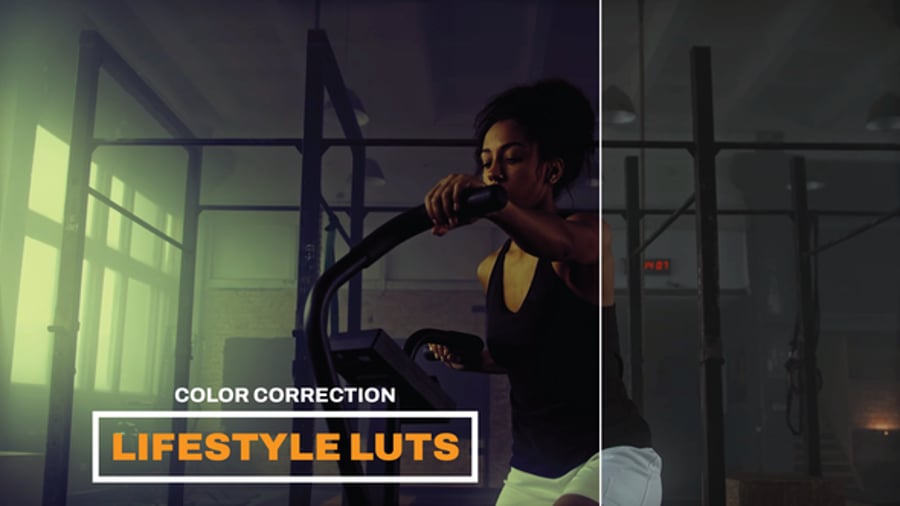
use LUTs to bring the clips into the same visual range

Adjust colour and contrast so the clips sit closer together visually. The aim is for the sequence to feel uniform rather than mixed.

Step 4: Use text or graphics sparingly

Add text or basic motion graphics only where necessary. Keep them short and easy to read, and avoid placing too much on screen at once.

Step 5: Final pass and export

Play through the full sequence and tidy any obvious issues with cuts or sound. When everything looks and sounds settled, export the versions you need.

Common mistakes (and how to avoid them)

1. Vague tone

When the tone is unclear, pacing often becomes inconsistent. This is a common issue with AI-generated ads created from loose or generic prompts. Clear AI ad prompts that call out mood early help advertising AI tools like VideoGen maintain a consistent rhythm from start to finish.

2. No clear hero moment

If a product or brand never has a defined moment, it is easy to get lost. This often occurs in ad creative AI workflows, where visuals appear strong but lack focus. Strong commercial video prompts should always include a clear payoff, whether that’s a product shot, logo, or message.

3. Overcomplicated backgrounds

Busy scenes can distract from what matters. Many outputs from an AI ad generator improve immediately when backgrounds are simplified. Cleaner environments make it easier for the viewer to read the action and for the AI ad maker to keep the subject front and centre.

4. Too many ideas in one clip

Trying to show everything at once usually weakens the result. Short ads are most effective when they focus on a single idea and evoke a specific emotion. If you need to elaborate, it’s often better to break down the concept across multiple cuts rather than forcing it into a single clip.

5. Forgetting mobile framing

Some clips look fine on a large screen but feel unclear on a phone. Details can be hard to see, and important actions may be positioned too far from the centre. When clips are framed tightly and the subject remains clear, short-form placements tend to work more reliably across vertical formats.

AI ad prompt FAQs

Related Posts