Best graphic design software in 2026: 12 tools for every designer
Discover the best graphic design software for every workflow. Compare Photoshop, Illustrator, Figma, Blender, Canva, Affinity, and more to find your ideal tool.
Envato: Get every type of asset for any type of project, and access to AI tools. Start now
Discover the best AI video generators. Jonathan Lam reviews, pricing, pros & cons, in this full AI video comparison guide.

AI video generators have come a long way in just a few short years! In 2026, creatives, agencies, and even small teams are turning to them for everything from animated shorts to polished explainer videos. It’s fast, often cheaper than traditional production, and surprisingly flexible if you know which tool to use.
That said, not all AI video generators are created equally. Some are better suited for cinematic clips, while others are ideal for talking-head avatars or short visual bursts. We’ve taken a hands-on look at the most talked-about platforms this year to help you compare the best AI video generators and the key differences in speed, quality, usability, and cost.
If you’ve tried even one AI video tool this year, you’ve probably noticed how different they all feel. Some give you beautiful results in minutes, while others make you jump through hoops, only to give you a clunky mess! So what actually makes an AI video generator worth using? In our AI video generator reviews, we look at:
These criteria shaped how we ranked the best AI video generators, and they should help you figure out which AI video tool fits your creative goals best.
Here is a list of our AI video generator reviews to help you find the right fit for your needs. Below, you’ll find our AI video comparison, complete with ranked picks, pros and cons, and the types of projects each tool is best suited for.
Tried out Envato VideoGen the other day, and honestly, it kind of blew me away!
This generative AI video tool transforms simple text prompts or still images into cinematic video clips that look like they came straight out of a production studio. Available as part of your Envato subscription—alongside creative powerhouses like ImageGen, ImageEdit, and MusicGen— VideoGen stands out for its incredible balance of creativity and control. It’s powered by a fusion of top-tier AI models working together to craft lifelike motion, dynamic camera shots, and storytelling that feels truly intentional.
VideoGen is powered by several advanced AI models that specialize in different aspects of video creation:
Envato orchestrates these models “under the hood,” selecting the best model combination based on your prompt and desired effects.
What makes Envato VideoGen the best is how effortlessly it fits into a creator’s workflow: fast rendering, commercial-ready licensing, and seamless access to Envato’s massive creative library mean you can go from concept videos to captivating ones in minutes with no cameras, actors, or editing headaches.
VideoGen is definitely worth trying if you like experimenting, as one of the top AI video tools.
Pros and cons
| Pros | Cons |
|---|---|
| 16:9 and 9:16 aspect ratios supported | Sound and speech are limited |
| Can generate videos from still images | Still maturing as a platform |
| Can implement sound and speech | Limited editing control after generation |
Ratings
| Category | Rating / Info |
|---|---|
| Best for | Creature design, fantasy visuals, cinematic clips, social media |
| Ease of use | ★★★★★ |
| Quality | ★★★★★ |
| Speed | ★★★★☆ |
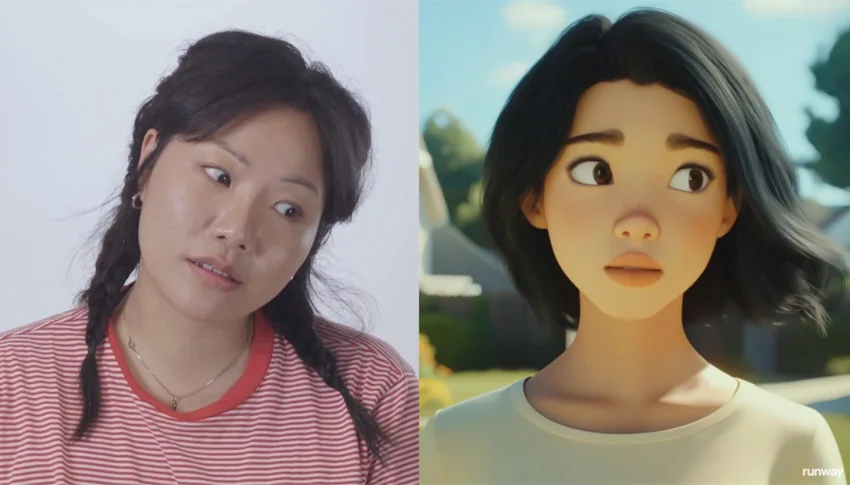
Runway has been one of the go-to names in AI video for a while now, and the latest version (Gen-3 Alpha) feels like a real step forward. The quality is solid, especially if you’re aiming for something more atmospheric or stylized. Many people are using it to create short film ideas, experimental edits, or simply test out what’s visually possible.
Using it doesn’t take much effort either. You can start with a simple prompt or bring in your own images or clips to guide the look. It gives you a bit more control than most other tools, which is nice if you’ve got a specific mood in mind. Keep in mind that if you’re hoping for fast render times or high-resolution output, you’ll likely need to upgrade to one of the higher plans.
Pros and cons
| Pros | Cons |
|---|---|
| High-end, cinematic video quality | Rendering can be slow during peak times |
| Great creative flexibility and input control | Advanced features locked behind paywall |
| User-friendly interface | Advanced features locked behind a paywall |
Ratings
| Category | Rating / Info |
|---|---|
| Best for | Cinematic content and creative storytelling |
| Ease of use | ★★★★☆ |
| Quality | ★★★★★ |
| Speed | ★★★☆☆ |
Kling AI made waves this year for a reason! It’s one of the few tools that can generate full-length, photorealistic video clips from text prompts. Some of the early demos showcased detailed street scenes, fluid camera motion, and characters that look far more believable than what most AI tools are capable of right now. It’s been compared to Runway’s Gen-3 Alpha, but with even longer and more dynamic outputs.
You can type in a short scene description and get back a 1–2 minute video that actually feels like it’s been storyboarded. The movement is smooth, transitions are clean, and the lighting is surprisingly cinematic.

Pros and cons
| Pros | Cons |
|---|---|
| Long, realistic video generation (up to 2 mins) | Slightly slower generation times |
| Advanced motion, depth, and visual clarity | Limited editing or control post-generation |
| Fully localized for global users | Still ramping up awareness outside China |
Ratings
| Category | Rating / Info |
|---|---|
| Best for | Realistic, long-form AI videos |
| Ease of use | ★★★★☆ |
| Quality | ★★★★★ |
| Speed | ★★★☆☆ |
Pika Labs doesn’t try to look ultra-realistic, and that’s exactly why some creators love it! The videos feel more like moving artwork, sometimes a bit strange, but in a good way. If you’re into making visuals that lean more surreal or experimental, this one’s worth checking out.
One thing people love about it? It’s fast. You type in a prompt, hit generate, and within seconds, you’ve got something you can use or build on. The tool doesn’t try to be everything. If you’re looking for realistic lighting or cinematic polish, this might not be the right choice. But if you’re just trying to make something weird and beautiful without spending hours tweaking settings, Pika’s a solid pick.

Pros and cons
| Pros | Cons |
|---|---|
| Fast rendering and simple interface | May not be suited for realistic content |
| Great for creative exploration and mood pieces | Shorter video durations |
| Unique animated style | Fewer customization options than competitors |
Ratings
| Category | Rating / Info |
|---|---|
| Best for | Stylized animation and visual experimentation |
| Ease of use | ★★★★☆ |
| Quality | ★★★☆☆ |
| Speed | ★★★★★ |
Kaiber has carved out a strong following among musicians and digital artists who look to transform still images or basic concepts into trippy, evolving visuals. It’s not trying to be cinematic or hyper-realistic. Instead, it leans into motion style, rhythm, and visual impact. You can feed it an image, add a short prompt, and Kaiber brings it to life with fluid movement, abstract morphing, or animation overlays that sync nicely with music.
It’s super easy to use, especially if you’re coming from the world of image generators. The videos are usually short, which is perfect for looping clips on social media or projecting behind a live performance. It doesn’t offer much control beyond presets and direction hints, but that’s kind of the point. If you want something that feels alive without needing frame-by-frame tweaking, Kaiber delivers.

Pros and cons
| Pros | Cons |
|---|---|
| Great for music visuals and motion art | Limited scene or storytelling control |
| Transforms static images into video | Output leans more abstract than realistic |
| Fast workflow with a focus on style | Not ideal for narrative or character work |
Ratings
| Category | Rating / Info |
|---|---|
| Best for | Music visuals, animated loops, style-driven clips |
| Ease of use | ★★★★☆ |
| Quality | ★★★☆☆ |
| Speed | ★★★★★ |
Luma has quickly become one of the most jaw-dropping tools. It’s designed to generate short, realistic videos with natural lighting and believable physics that feel like it was shot on a real set. While other tools lean into style or animation, Dream Machine is focused on realism.
You’re limited to short clips for now (about 5 seconds), but what you get is incredibly polished. The platform is easy to use, even for beginners, though you don’t get a ton of control over the output beyond your initial prompt. Still, if you’re looking to generate realistic footage without touching a camera, Luma’s Dream Machine is one of the most advanced options available right now.

Pros and cons
| Pros | Cons |
|---|---|
| Photorealistic visuals and smooth motion | Short video duration (approx. 5 seconds) |
| Easy to use interface | Limited prompt control or editing tools |
| Excellent lighting and environment rendering | Early-access platform; some features in beta |
Ratings
| Category | Rating / Info |
|---|---|
| Best for | Photorealistic short video generation |
| Ease of use | ★★★★☆ |
| Quality | ★★★★☆ |
| Speed | ★★★★☆ |
Stable Video Diffusion isn’t trying to be the easiest tool in the world, and honestly, that’s part of the appeal! It’s open-source, experimental, and offers significantly more control than most other video generators. If you’re the kind of person who likes digging into settings, testing different inputs, or even running things locally, this one’s worth a look.
You can animate stills, test out different styles, or even set it up to run locally if that’s your thing. There’s no slick interface, so it’s not really aimed at beginners. However, for those who want to experiment or build something custom, this is a solid foundation that continues to improve.

Pros and cons
| Pros | Cons |
|---|---|
| Fully open-source and customizable | Steeper learning curve |
| Great for turning images into motion | No native UI (requires third-party tools/setup) |
| Actively evolving with community support | Limited prompt-to-video support (for now) |
Ratings
| Category | Rating / Info |
|---|---|
| Best for | Experimental workflows and dev-level control |
| Ease of use | ★★☆☆☆ |
| Quality | ★★★☆☆ |
| Speed | ★★★☆☆ |
There’s no one-size-fits-all when it comes to AI video creation. That’s why we put together this quick AI video comparison to help you match the right tool to your needs. Whether you’re crafting a cinematic short or looping music visuals, this breakdown shows which of the top AI video tools is the best fit.
If you’re still asking, what’s the best AI video generator 2025 has to offer? The answer really depends on what you’re making. Here’s a quick guide:
| Use case | Best tool | Why it works |
|---|---|---|
| Best overall | Envato VideoGen | Strikes the best balance of mood, motion, and cinematic quality |
| Cinematic storytelling | Runway | Strong visuals, realistic motion, and easy prompt workflow |
| Stylized or animated visuals | Pika Labs | Fast, expressive, and perfect for creative or surreal content |
| Photorealistic short clips | Luma Dream Machine | Clean lighting, smooth movement, and very lifelike results |
| Long-form realistic scenes | Kling AI | Supports longer video generation with a high level of realism |
| Music visuals or live VJ loops | Kaiber | Turns stills into motion with rhythm and style |
| Experimental workflows | Stable Video Diffusion | Open-source, flexible, and great for devs or hands-on creators |
Envato VideoGen is designed to help creators produce professional-quality videos quickly, without needing advanced editing skills. When used alongside the Envato subscription, you get the best of both worlds: AI-assisted video generation, plus unlimited creative assets (video effects, transitions, overlays, audio, graphics, fonts).
Need more ideas? Here are step-by-step examples of how different types of creators can use VideoGen effectively.
Goal: Create a complete YouTube video from an idea or script
How to use VideoGen:
Goal: Quickly produce short promotional or explainer videos.
How to use VideoGen:
Goal: Produce Reels, TikToks, or Shorts that grab attention fast.
How to use VideoGen:

All videos created with Envato VideoGen are covered under the Envato license, giving you simple, worry-free usage rights. This means that every video you generate, along with any stock footage, music, graphics, fonts, overlays, or templates you add from Envato, is licensed for both personal and commercial use under your active subscription.
You can:
So that concludes our AI video comparison, but what about the future? Honestly, no one really knows where the top AI video tools are headed, but they are changing rapidly. A few months ago, you’d get these weird, flickery clips. Now? Some of them actually appear to be real footage. Kinda wild. Tools are improving in areas such as motion, lighting, and maintaining consistency between frames.
People are already using it for various projects. In the future, we’ll probably see longer clips and maybe some crossover with 3D design trends! If you enjoy experimenting with new technology, this space is definitely one to keep an eye on.
Q: What is the best AI video generator in 2026?
A: The best AI video generator in 2026 depends on your needs. Envato VideoGen is the most well-rounded. Runway excels at cinematic storytelling, Pika Labs is ideal for stylized animation, and Luma Dream Machine leads in photorealistic short clips.
Q: Which AI video tool is best for long videos?
A: Kling AI is the best option for longer, realistic videos. It can generate clips up to two minutes with smooth motion and cinematic depth, making it stand out from most competitors.
Q: Which AI video generator is best for music visuals?
A: Kaiber is the top choice for music-driven visuals. It transforms still images into animated, looping clips that sync perfectly with rhythm, making it a favorite among musicians and digital artists.
Q: Can AI video generators replace traditional video production?
A: Not entirely… yet. While the top AI video tools can generate cinematic and creative clips quickly, they still have limitations in terms of editing control, consistency, and handling longer formats. For now, they’re best used alongside traditional production methods.
Discover the best graphic design software for every workflow. Compare Photoshop, Illustrator, Figma, Blender, Canva, Affinity, and more to find your ideal tool.

Learn how to add LUTs in Final Cut Pro, from importing .CUBE files to adjusting intensity and combining with colour correction for better video grading results.

Learn how to use LUTs with RAW footage for accurate colour grading. A step-by-step guide to applying LUTs, preserving dynamic range, and achieving cinematic video results.

Every month, we're rounding up our favourite TikTok trends: the sounds, hooks, and concepts that are going viral right now. We'll break down the formats, show you examples, and give you practical ways to adapt them to your niche.