The grunge design trend: Why raw, messy aesthetics are back (and how to use them in 2026)
Discover why grunge design is trending again in 2026 and how to use textures, distressed type, and controlled chaos without sacrificing clarity or hierarchy.
Envato: Get every type of asset for any type of project, and access to AI tools. Start now
Typography trends for 2026 embrace expressive serifs, playful italics, quiet sans-serifs, and chaotic scripts.
The biggest font trends of 2026 include funky curvy serifs, novel italics, quiet sans-serifs, Italian-inspired type, cutting-edge letterforms, type-as-graphic designs, cute and cosy fonts, and chaotic scripts. These styles signal a creative comeback — where typography becomes as expressive as imagery itself.
In 2026, it’s time to rethink everything you know about type.
Typography right now is all about personality and contrast. Designers are mixing expressive, attention-grabbing fonts with practical, readable ones to balance creativity and clarity. Expect to see bold serif revivals, experimental variable fonts, playful retro styles, and highly legible sans serifs used side by side. The big shift is intention: fonts aren’t just decorative anymore, they’re doing brand storytelling, accessibility, and usability work all at once.
Fonts are no longer just vehicles for words; they’re design statements in their own right.
The typography trends of 2026 invite designers to treat letterforms as art, twisting, stretching, distorting, and even letting them misbehave a little. As typography increasingly intersects with pattern design trends across branding, interfaces, and packaging design, letterforms are being repeated, layered, and composed into bold visual systems. Whether you’re working on a rebrand, web layout, or packaging design, this is the year to ditch restraint and rediscover expression.
After years of muted minimalism, branding and graphic design in 2026 are leaning into diversity and playful experimentation. Think fonts that talk back, that flirt with chaos, that make you feel something. From dreamy, Seventies-style serifs to bubbly italics and grungy, anti-design scripts, the rules are loosening—and creative freedom is taking centre stage.
If you’re ready to refresh your typography game, our Font Trends 2026 Report spotlights the eight biggest styles you’ll see everywhere this year. Expect to fall in love with:
Retro energy with modern confidence.
A bit Seventies and a whole load of funky, these curvy serif fonts bring psychedelic wackiness to branding and website typography.
A notable trend across major rebrands of late, including logo designer Rob Clarke’s rebrand of design software (and Adobe’s arch-rival) Affinity, since its acquisition by Canva, these playful fonts strike the perfect balance between coolness and an open attitude.
We’re seeing this font style start to make waves in left-field branding, when minimalism simply won’t fit the bill. Curvy serifs look great paired with exaggerated AI imagery or pastel gradient backgrounds, which up the fun factor for websites and apps.
Bold and brash, this is the font style to use for headlines, poster text, and logos. Branding projects that require a go-getting energy, such as those for technology, online stores, and innovative fitness, will be the perfect fit.
Clever color choice will keep this funky font style from straying into throwback territory. Pair with neon colors for a modern take on retro style.
Chunky, juicy serifs are tipped to be a major brand trend in 2026, and we’re already starting to see this in action across corporate branding (see the recent Eventbrite rebrand by Buck, which saw the events platform ditch its minimalist sans serif logo in favor of a bouncy serif) and independent brands for food, drinks, and retail.
Slanted type with attitude.
When was the last time you used an italic…that wasn’t a quote? It’s time for slanted type to have its moment in the sun. We’re not talking about the weight that you pick reluctantly from the font menu; in 2026, italic fonts will be seriously stylish, and big design news, too. This incarnation of italics breaks the mould, with liquid, bubbled, or vintage styles bringing distinctive character to any project.
Agency Established NYC won Diamond Best of Show at the recent Pentawards for their brand design for Tilt Beauty, which features a bold, liquified italic typeface. For brands targeting young audiences or those seeking to disrupt industry norms, italics will offer a (tilted) point of difference in 2026.
This is an aesthetic font trend that emphasizes style and unique character. Pair this font style with simple, bold colors and avoid crowding it with photography or busy backgrounds. Projects that offer plenty of white space, such as packaging design or landing pages, will really allow italics to shine.
Whatever font style you choose, look for typefaces that retain legibility when used in italic. Chunky, oversized styles often appear more visually appealing than thin, condensed fonts.
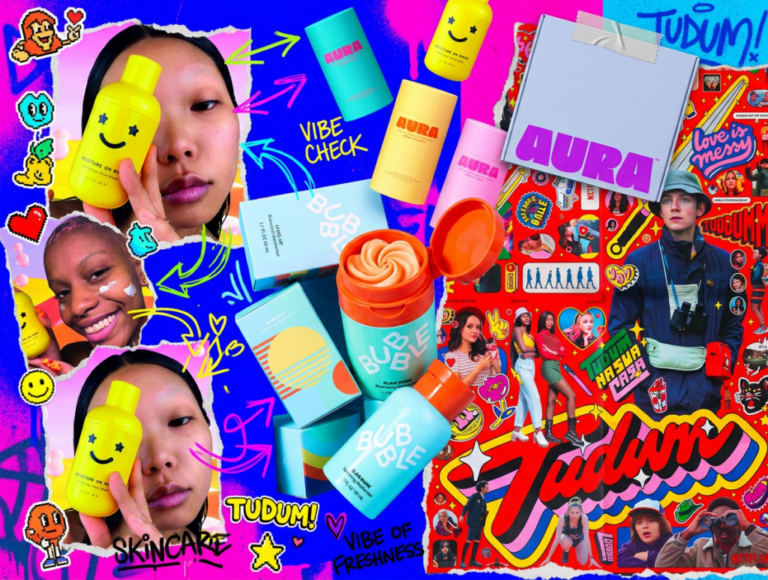
Fun italics are currently popular across brands aimed at the TikTok generation, with the font trend making its mark in youthful beauty and fashion branding. A case in point — the ballooned type for Tilt Beauty by Established NYC and the slanted, oversized logo design for SKIMS by King & Partners. In 2026, expect to see this font trend gain even further reach as young audiences begin to associate quirky italics with social media-approved trends.
Minimalism reimagined.
Sometimes you need a font that whispers rather than shouts. This elegant font trend for 2026 is designed to make a subtle statement in the background, without overshadowing the main focus. Inspired by Art Deco typography, but stripping back the glitz and glamor, these Quiet sans-serif fonts play the perfect companion to louder elements, or combine with minimalist layouts for a supremely elegant design.
Luxury packaging and high-end branding are ideal places to showcase these elegant typefaces. We love Agence Bemad’s pastel packaging design for Edwart Chocolatier, which allows delectable colors and debossed textures to take center stage. In 2026, these pared-back font styles will work a treat on projects that require restraint over excess.
Delicacy is the name of the game with low-key sans-serif typefaces. Use sparingly and at a small scale, but don’t be in doubt that their power is in the detail.
Extra details such as metallic foils, tactile textures, and delicate labels can make quiet sans-serifs feel particularly luxurious.
We’re seeing Quiet sans-serifs make a subtle yet striking impression on luxury packaging and website designs for high-end brands. Pentagram’s elegant brand identity for textile business SCENARIO shows how this trend shines alongside thoughtful details, such as textures and cinematic photography.
Vintage glamour meets modern design.
Say “ciao” to this full-of-life font trend, inspired by vintage Italian advertising and packaging design. Both classic and cutting-edge, these Italian font styles bring a characterful Roman aesthetic to designs for food, drink, and lifestyle brands.
Italian type styles evoke the energy of la dolce vita, making them the ideal type choice for good-living brands and products. We’ve seen contemporary takes on retro Italian fonts used beautifully on European products, such as olive oil and pasta. However, in 2026, we predict this font trend to extend outward to other industries that want to lean into a ‘living well’ aesthetic.
Team your Italianate type with retro-inspired color palettes and vintage poster references, such as classic sun lounger stripes, hand-drawn illustrations, and black-and-white photography.
Keep your Italian-inspired fonts on the right side of retro with clean layouts and contemporary color choices. Pair this font style with unexpected neons or popping brights for a perfect blend of old and new.
Food and drinks branding is currently the natural home for Italiano typefaces (we love the retro-inspired packaging for olive oil brand Giobatta). However, we think this cheerful, nostalgic design trend will find a place in luxury fashion and on social media designs in the year ahead.
Sharp fonts for bold statements.
Cut to the point with fonts that have sharp edges and plenty of attitude. This 2026 type style can feel direct, even a little confrontational, but in the right context, it conveys a message of authority and futurism. We can expect this bold font style to take precedence in tech branding, poster design, and social media marketing over the coming year.
When you need type that draws distracted eyes and holds attention for longer, sharp fonts communicate messages strongly and directly. While this trend is emerging within the tech sector, it has the potential to find new audiences in sectors that require a strong voice. Manifestos, political posters, or charity advertisements can utilize the cutting-edge trend to convey information clearly and effectively.
Try this font style on layouts that will make a strong impact, such as posters, billboards, or magazine covers.
Cutting-edge fonts are sharp, but you can soften the impact with neutral colors and soft filters. Try a blur filter around the edges for a film noir aesthetic.
This direct font trend is currently making a statement in look-at-me branding (see AWP’s industry-disrupting brand design for Vampons), but we predict the font trend will find its footing in tech and politics in 2026.
When typography becomes the design.
Rethink the way you design with typography with this super creative 2026 font trend. Blow up the type to a large size, twist it around, or integrate letterforms into ornate frames. However you do it, start treating type like its own graphic form, making it an integral part of backgrounds, banner designs, or logo artwork.
Using type as a decorative element can enhance branding in a design by layering the brand name or logo into the layout, making consumers take notice. With this in mind, we think this font trend will work best for brands that already have stylised logos, with some examples we’ve seen including Art Deco, Y2K, or trippy 1990s-inspired styles.
Layer your type onto the backdrop of your design, creating a pattern or abstract design, whether it’s on a business card, web banner, or box design. The goal of this font trend is to make viewers go, “Ah, I see it!”
It’s important to team graphic type with legible logos and text as well, so you’re delighting onlookers rather than baffling them. It’s about layering your type designs to achieve an overall brand impact.
Type as a graphic is a diverse and creative trend — it’s up to you to style your fonts! If you need inspiration, follow the example of Here Design, which crafted an elegant Art Deco packaging design from Monica Rich Kosann’s logo typeface, or look to Wagon Design Studio‘s kooky, swirling lettered backgrounds for Superspoon for a completely different take.
Soft, friendly, and Gen Z-approved.
Inspired by Japanese design and social media aesthetics, the Cute and cosy font trend brings a playful, friendly mood to designs targeted at Gen Z audiences. As the name suggests, this is a comforting, childlike font trend that we believe will become increasingly prominent in food and drinks branding, in particular. We’ve seen a predecessor of this trend, Pop futurism, make an impact in design in 2025.
Everyone loves cute things (isn’t that why memes were invented?), but there’s a time and a place for the Cute and cosy font trend. These adorable, bouncy fonts are ideal for youthful brands and fun products, such as teen beauty, drink packaging, and gaming.
Pair it with 2026’s trending retrofuturistic vibe, and add a dash of pastel holographic background to really up the cute factor.
Emoji graphics and other Japanese-inspired elements, such as Manga illustrations, can help your design lean into an authentic cartoonish aesthetic.
There’s no specific font style that defines the Cute and cosy trend; it’s more about the attitude. Independent brands are loving this brand style for its ability to make products appear fun, almost childlike, with naive illustrations and bright colors. Your design goal? To raise a smile!
Embracing imperfection and rebellion.
We’re starting to see creatives edging towards the anti-design traits made popular by 1990s designers like David Carson and eponymous graffiti artist Banksy. Inspired by 90s nostalgia, skate culture, and grunge, these handwritten fonts are chaotic, scrawly, and ad-hoc.
Anti design works against the mainstream, but even big brands can use Chaotic scripts to tap into fresh audiences or alternative markets. Designers can use these messy scripts to add a cool, casual edge to a variety of designs. They’re an instant deformalizer.
For a breezy LA mood, pair your messy scripts with sky blue and lemon yellow, or lean into its grunge tendencies with noisy overlays and scratchy backgrounds.
Chaotic scripts aren’t always the most legible of font styles, so size really does matter. Keep your scripts generously proportioned and maximize color contrast to keep the message loud and clear.
If you want to create uber-cool designs that lean into alternative audiences, Chaotic scripts are the font trend to try. We’ve noticed a trend emerging within sectors that have traditionally adhered to design tropes, such as beauty (the home of elegant, minimalist fonts), where messy type can forge a standout identity. Look to Day Job’s brand identity for Radford Beauty as a great example of how to do beauty typography differently.
Typography is the cornerstone of fantastic design, lending mood, energy, and tone to brand messaging. In recent years, tasteful minimalism and Quiet Luxury have been dominant forces in design, with typography meekly following suit.
A designer’s love affair with Helvetica will never truly diminish, but perhaps it’s time to flirt with something different.
While beige reigned, the influence of ‘quirk’ patiently simmered under, finding a home on social media and alternative brand marketing.
Recent work released by some of the world’s leading creative agencies suggests a shift ahead, with more major brands taking on design commissions that blend artistic creativity with commercial polish.
Across web design, branding, packaging, video, and print, we are already seeing 2026 graphic design trends exploring more eccentric stylistic avenues, from retrofuturism to chaos packaging.
In typography, we anticipate kookier logo design, wackier typefaces, and a bold approach to breaking the grid, all to make a point of difference in an increasingly commerce-saturated online world.
While minimalism still has its place (with the Quiet sans serif font trend reimagining it for 2026), in the year ahead, we can expect to see more maximalism and a greater freedom of expression through typography overall.
Font trends like Chaotic scripts lean into grunge and anti-design aesthetics (mirroring the emerging trend for Chaos packaging design), while the Type as graphics trend encourages creatives to think differently about how fonts can be used to create more interesting, holistic designs for branding and packaging.
There’s also plenty of room for kitsch and fun, with the Italiano trend bringing nostalgic glamor to projects and Cute and cosy fonts reflecting a wider cultural interest in Japanese aesthetics.
In line with our forecast for a broader Dual aesthetics approach in graphic design, where maximalism and minimalism combine to bring the best of both worlds, 2026 font trends are a diverse mix of exhilarating styles that will delight designers eager to unleash their creativity.
FAQs: graphic design trends 2026
A: The eight biggest trends are funky serifs, novel italics, quiet sans-serifs, Italian-inspired fonts, cutting-edge styles, type-as-graphic designs, cute and cosy fonts, and chaotic scripts.
A: For designs that turn heads, look no further than the chaotic script font trend, which references grunge and anti-design, or try Italian-style fonts for head-turning nostalgia marketing campaigns.
A: Tech, beauty, and packaging design are leading the charge, with fashion and lifestyle brands following closely.
A: Yes — especially quiet sans-serifs used in luxury branding. However, designers are pairing them with bolder, expressive typefaces for contrast.
A: Mix expressive type with minimalist layouts. For instance, pair chaotic scripts with refined imagery or quiet sans serifs with bold color palettes.
Find a type that complements your creative idea without compromise. In 2026, font trends are bold, daring, and expressive, enabling you to make typography a focal point that grabs attention in your designs. For even more design trends, follow the lead of cutting-edge creative agencies and emerging consumer trends with our curated edit of the top 8 design trends for 2026.
To complement the maximalist type, look to unique imagery, graphics, and video that will bring your design together. Generate fast, highly conceptual visuals with MockupGen, GraphicsGen, and ImageGen, which help you realise your creative ideas in very little time.
And while you’re here, you can find even more design trend inspiration in our 2026 graphic design trend report, plus don’t miss our analysis of the Colorful New Wave design trend and the latest TikTok trends.
Discover why grunge design is trending again in 2026 and how to use textures, distressed type, and controlled chaos without sacrificing clarity or hierarchy.
Learn how to upscale images with AI using ImageEdit. Enlarge photos 2x or 4x while preserving sharpness, texture, and detail for print, design, and marketing.
Swash fonts add a touch of drama and elegance to any design. Explore our curated selection of fonts with swashes and flowing tails to give your typography that extra flourish your projects deserve.
Explore 27 Norse fonts for standout branding in 2026, from rune-inspired and Viking display styles to modern Scandinavian typefaces with bold character.