50 best PowerPoint templates for 2026: education, business & more
Explore PowerPoint templates with professionally designed layouts to create polished, modern, and visually cohesive presentations.
Envato: Get every type of asset for any type of project, and access to AI tools. Start now
These are the illustration styles defining 2026, and how to put them to work in your own projects.
As we head into 2026, illustration has moved beyond being purely decorative. It now tells stories, shapes brand identities, and adds emotional depth to both digital and motion design. The year feels like a reset, blending AI visuals with vector art trends and the warmth of handmade work. We’re stepping away from the overly polished, slightly unnatural look of the mid-2020s and toward something more human and sincere.
Instead of sticking to just one style, 2026 loves to blend different elements on purpose. You’ll notice AI imagery alongside charming hand-drawn illustrations, creating a vibrant mix. This approach rejects visual sameness and embraces the beauty of imperfection, making everything feel more lively and authentic. In 2026, illustration isn’t just something you see; it’s something you feel.
Digital illustration trends go beyond mere hype; they act as indicators of changes in culture, technology, and audience attitudes, spreading quickly via branding, motion, and digital media products. When a visual style becomes popular, it usually addresses a specific need: it helps messages stand out in busy feeds, makes complicated ideas feel relatable, or lets brands show values like trust, playfulness, or innovation without using words.
For illustrators and designers, staying aware of these shifts means staying relevant. Brands look to visual language to communicate who they are and where they’re going, and illustration is often the most flexible tool they have. The rise of hybrid 2D–3D styles, expressive line work, and AI-assisted workflows is transforming logos, campaign visuals, product onboarding, and motion graphics, turning experimental looks into essential elements of brand systems.
Understanding trends also helps creatives make smarter choices. You don’t have to follow every new style, but knowing what’s emerging lets you adapt, remix, or deliberately push against it. In today’s fast-paced visual world, understanding trends is less about copying others and more about having a clear purpose.
Illustration trends in 2026 are being pulled in multiple directions, and that tension is what makes them exciting. AI tools are now part of everyday workflows, used for sketching, mood boards, and compositions, then shaped by an illustrator’s personal style. At the same time, generative systems are making visuals more modular and adaptable across platforms and motion.
In contrast, handmade and nostalgic styles are making a strong comeback. Wobbly lines, scanned textures, and playful imperfections add warmth and personality to an increasingly automated visual world. Together, these forces create a more layered, expressive, and experimental illustration landscape, where artists get the best of both worlds: powerful new tech and a renewed focus on keeping things human.
Ready to explore the visual styles driving it all this year?
In 2026, illustration has moved beyond being just a design detail and has become a key way for brands to show authenticity and tell stories. This year’s trends make it clear that people are drawn to the “human fingerprint” in a world that’s getting more digital by the day. For a deeper look at how that shift is playing out across visual culture, check out our breakdown of the AI impact on graphic design.
The conversation around AI in illustration is far from settled, but the tools are already embedded in everyday workflows. Illustrators are using platforms like Adobe Firefly and ImageGen to generate rough compositions, explore color directions, and iterate on concepts faster — then shaping the output with their own eye and hand.
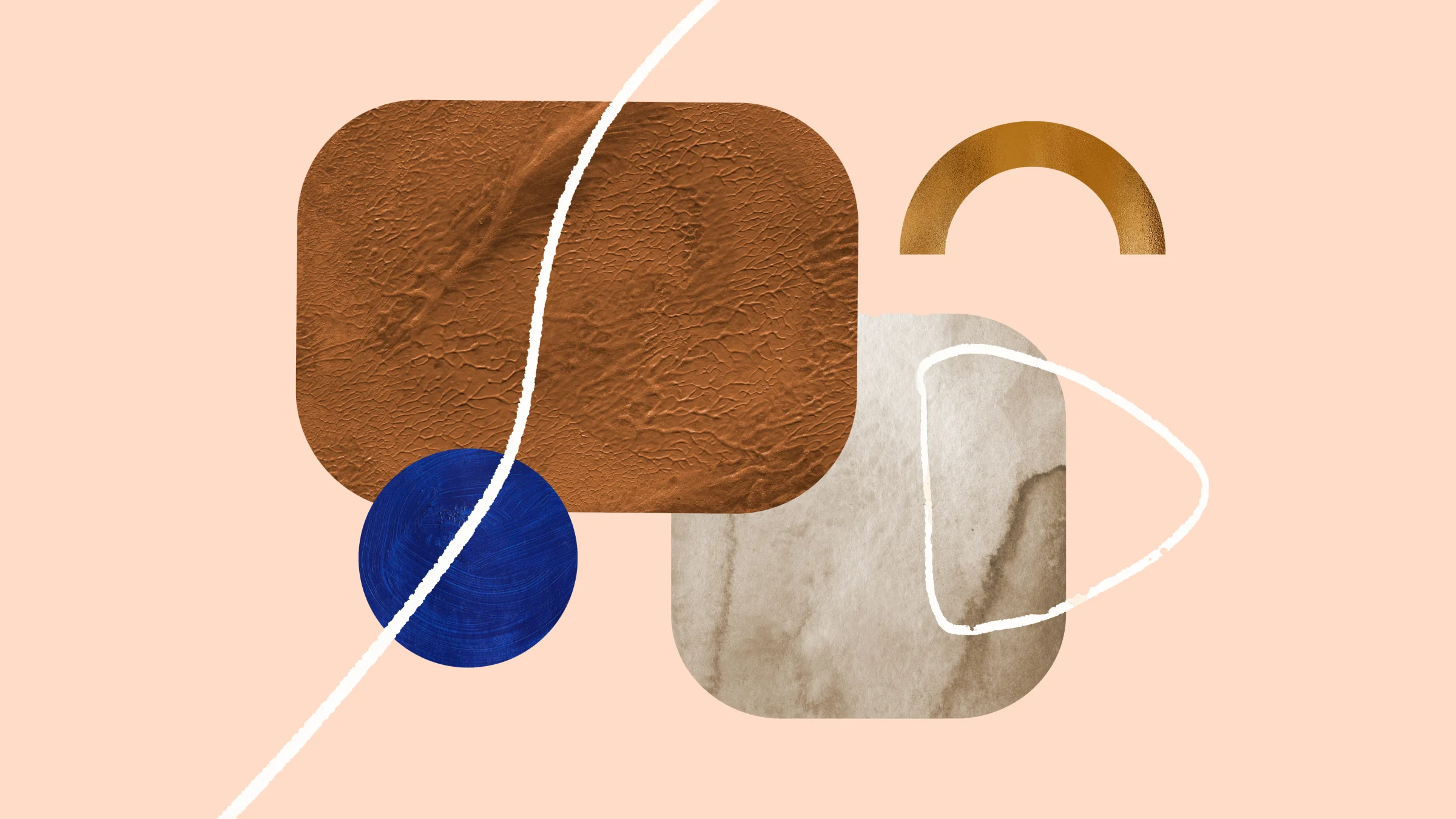
As digital spaces become filled with sleek AI-generated images, tactile textures have emerged as a lovely reminder of genuine human craftsmanship and exceptional quality. Tactile textures use visible grain, brush marks, collage, and material-like surfaces to make flat illustrations feel physical. The idea is to get across a sense of touch, weight, and flaws in a digital setting.
Narrative illustration is all about packing a single image with detail, character, and local flavor that it feels like a movie scene you can get lost in. They are illustrations designed to tell a story, often across multiple frames or moments.
Moving from rigid photorealism, the 3D surrealist style – aligned to the surrealism in graphic design trend – uses “nature” forms, textures, and hyper-realistic rendering to craft dreamlike scenes that feel tactile but defy physics. It often features organic-mechanical hybrids, paradoxical scales, or fluid, morphing shapes.
The hand-drawn illustration style in 2026 is all about showcasing the artist’s touch. It’s visible sketch lines, some uneven coloring, little wobbles, and cool texture scans. It focuses on expressive linework and feels fresh and handmade rather than aiming for a super-polished, vector-perfect look.
This trend is all about being intentionally rough and a bit messy, with wobbly lines inspired by the carefree style of kids’ art. It embraces a simple, almost clumsy look, with skewed perspectives and bright, bold colors that aren’t blended. It’s a rebellion against the “perfection” of the last decade, focusing instead on raw emotion and straightforward visual communication.
Graphic minimalism is all about playful digital illustration trends that say more with less. It features clean shapes, limited color palettes, bold designs, and plenty of open space. This style strips things down to simple forms and flat visuals that get the message across quickly and clearly without any mess. In 2026, minimalism isn’t bare or cold; it’s intentional and refined, balancing clarity with personality. Color Trends 2026 gives us a cool peek into how bold and confident color schemes are influencing design right now.
Digital illustration trends are only useful if you can apply them, and 2026 is a great year to experiment. For Envato subscribers, the asset library works best when you treat it as a toolkit rather than a catalog. Start by selecting illustration packs, brushes, textures, and motion templates that show different trends. Combine them instead of using items directly from the library. A clean-line illustration can appear more modern when paired with a limited color palette, grain texture, or a subtle hand-drawn overlay.
Envato’s AI tools like ImageGen and GraphicsGen are built for exactly this kind of exploratory work; generating concepts, testing visual directions, and iterating quickly. From there, use ImageEdit to refine the output, layer in texture packs or brush assets from the library, and make it yours. The best results come from treating AI output as raw material, not finished work.
For branding and editorial work, try mixing systems. Pair naive or hand-drawn elements with graphic minimal layouts. Use 3D surreal assets sparingly, anchoring them with simple typography or line work. In motion, animate small imperfections like wobbly lines or texture shifts to add warmth.
One of the biggest pitfalls is overusing automation. AI and generative tools can speed things up, but leaning on them too heavily often leads to visuals that feel generic or disconnected from a brand’s personality. AI should support your ideas, not replace creative decision-making.
Another mistake people make is overlooking accessibility and scalability. Illustrations might look great in one format but fall apart when resized, animated, or viewed on different devices. Low-contrast, overly detailed scenes, or tiny textures can hurt readability, especially in digital products and motion.
Finally, many projects lose their impact when they lack visual consistency across various platforms. When you combine too many styles, tools, or trends without a solid system, the brand can start to feel scattered. In 2026, the best illustration work is flexible yet still cohesive, built on a clear visual style that looks good whether it’s on a website, social feed, or billboard.
Illustration trends in 2026 are all about mixing craft with tech. The best work isn’t about choosing between traditional methods and digital tools; it’s about combining the two. With AI, generative tools, and 3D workflows, you can brainstorm ideas quickly, while hand-drawn elements, rough edges, and nostalgic textures keep everything feeling human and relatable. That balance is what gives today’s illustrations their unique vibe.
The key takeaway for 2026? Don’t just follow trends one by one. Think in layers and intentionally blend styles. Let AI illustration tools speed things up, use Envato assets for structure, and trust your gut to figure out what really works.
If you want a broader view of how this mindset connects across visual disciplines, our Graphic Design Trends for 2026 roundup is a useful reference. When experimentation is guided by taste and intention, illustration becomes more than decoration; it becomes a meaningful way to connect in a digital-first world.
The year is defined by two key themes: Human Authenticity (Hand-drawn, Tactile Textures, Naive & Childlike styles) and Digital Innovation (AI Collaboration, and 3D Surrealism). Narrative Illustration and Graphic Minimalism bridge both.
It depends on the brand message:
Luxury/Heritage: Tactile Textures to signal craftsmanship.
Tech: 3D Surrealism and AI for futuristic concepts.
Authentic: Hand-drawn and Naive styles to build personal connection.
Clear: Graphic Minimalism for strong, adaptable designs.
If you’re looking for tactile textures and a hand-drawn vibe, just check out the Envato libraries and search for brush packs such as “textured” or “grain”.
AI now serves as a reliable helper, supporting illustrators in exploring ideas and crafting early designs with ease. This makes their creative journey much faster and more exciting. The artist then guides and fine-tunes the AI’s work to make sure their own unique, human touch remains at the heart of everything they create.
The standout shift is toward soft surrealism. Instead of sharp realism, 3D forms feel inflated, fluid, or gently melting, creating scenes that are more dreamlike and tactile. Motion plays a big role here too, with organic, imperfect movements like subtle sways and natural drifts that add warmth.
Explore PowerPoint templates with professionally designed layouts to create polished, modern, and visually cohesive presentations.
Learn what font Nike uses, explore its typography evolution, and discover Nike font alternatives to create bold, minimal, high-impact designs for branding and campaigns.
Discover bold music video fonts for 2026, with top picks and bonus styles that help creators match sound, genre, and mood with striking visual identity.
Learn how to create an AI infographic design using GraphicsGen and Illustrator, from idea to reusable systems, with a step-by-step workflow for consistent, scalable visuals.