Envato: Get every type of asset for any type of project, and access to AI tools. Start now

90s graphic design: trends making a comeback (and how to use them today)

Explore 90s design trends and apply bold, expressive styles to modern creative work.

Kelsie Rimmer 8min read
90s Design Trends

Ready to rewind? 90s graphic design is making a bold comeback, and it’s louder, messier, and more expressive than ever. From grunge textures and anti-design layouts to rave posters and pop culture aesthetics, designers are rediscovering the rule-breaking visuals that defined the decade.

After years of minimalism dominating branding and digital design, creatives are embracing a more chaotic, personality-driven approach. And it’s not just nostalgia — 90s design trends are being reinterpreted for today’s platforms, from social media campaigns to motion graphics and branding systems. In this guide, we’ll break down the most influential 90s graphic design styles, explore why they’re trending again, and show you how to use them in your own work.

What is 90s graphic design?

90s graphic design refers to the experimental, high-contrast, and often chaotic visual styles that emerged in the 1990s. Influenced by music, fashion, and early digital tools like Photoshop, it combines bold typography, distressed textures, vibrant color, and unconventional layouts. Unlike modern minimalism, 90s design trends thrive on expression, imperfection, and visual impact.

Why 90s graphic design is trending again

The return of 90s design trends is part of a wider cultural shift. Designers and brands are pushing back against years of clean, corporate minimalism in favor of more personality and emotional connection.

Key drivers include:

  • Nostalgia cycles: Gen Z rediscovering 90s aesthetics
  • Anti-minimalism: A reaction to overly simplified branding
  • Social media: Bold visuals perform better in crowded feeds
  • Creative freedom: A move toward experimentation and individuality

The result? A renewed appetite for design that feels human, imperfect, and expressive.

Key 90s graphic design trends making a comeback

Let’s dive into the 90s design trends shaping creative work today. From grunge textures to rave aesthetics, these styles define the bold, rule-breaking spirit of 90s graphic design.

1. 90s graphic design trend: grunge

Originating from the punk music scene, graffiti, and skateboarding culture, the early 90s grunge trend saw a rise in more experimental, less polished design styles. Inspired by underground rock culture, this is one of the many 90s design trends that was all about breaking the rules of traditional graphic design, including elements such as:

This style was soon plastered over posters and album covers, as well as magazines such as Ray Gun – the ultimate grunge mag, famously designed by David Carson

The grunge design trend has made a big comeback over the last decade, showing up in the same places it did almost 30 years ago: posters, album covers, digital art, and – the alternative to magazines in the 2020s – social media. New York designer Roy Cranston’s work is a great example of combining 90s grunge with modern minimalism, as is the grunge-inspired, evocative work of Designer Drugs

2. 90s graphic design trend: anti-design

First appearing in the 1960s, the anti-design movement was reignited by creatives in the 1990s, particularly in graphic design, interior design, and fashion. The opulence of the 80s fell away to the raw minimalism of 90s anti-fashion: think Kate Moss by Corinne Day or the edgy, alternative catwalks of designers such as Helmut Lang and Maison Martin Margiela. 

Carrying on from the grittiness of other 90s design trends, such as grunge, anti-design heralded the emergence of chaos and ugliness as a radical response to traditional standards of beauty and ‘good’ design. Described as ‘raw’, ‘unapologetic’ and even ‘hideous’, this trend featured a lot of experimental layouts, exaggeration, distortion and traditionally ‘ugly’ elements in protest of prettiness and perfection. 

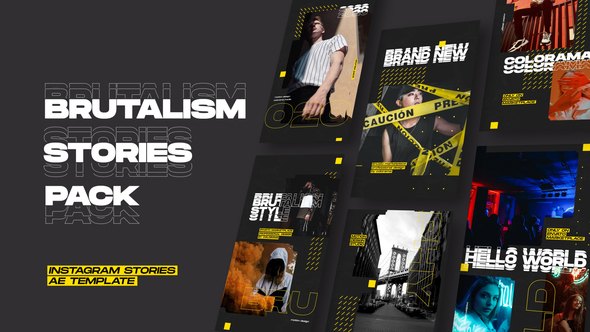
While anti-design certainly isn’t everybody’s cup of tea, there’s no denying that it’s effective at grabbing attention – which is kind of the whole point. With the resurgence of Brutalism in 2019, featuring chunky geometric shapes and experimental, distorted fonts, the anti-design trend quickly seeped back into popular culture, reinvigorating graphic design with its energy, movement, and expressive presence. 

Expect:

  • Clashing typography
  • Distorted layouts
  • “Ugly” or intentionally awkward compositions
  • Maximalist, crowded visuals

Many designers are now dabbling in the bizarre world of anti-design, as seen in the incredible website design of Roze Bunker, Niki Lauda’s eccentric designs, and Cecile + Roger’s collection of anti-design posters and installations for the Mirage festival 7e Edition. The independent magazine publishing industry is also embracing anti-design, with publications such as MushpitHotdog Magazine, and Buffalo Zine featuring uneasy layouts, ugly fonts, and crowded, maximalist styles.

3. 90s graphic design trend: pop culture aesthetic

From butterfly clips and Lip Smackers to F.R.I.E.N.D.S and the Spice Girls, the 90s were a decade rife with some unforgettable pop culture moments. A trend that infiltrated fashion, music, movies, decor, and design, polished 90s pop culture was in opposition to the grunge and anti-design movements that simultaneously defined this bizarre, melting-pot decade.

Featuring vibrant, bold, and pastel hues (such as lavender color shades), abstract shapes and patterns, dorky fonts, and kitsch textures such as jelly shoes and fuzzy hair accessories, there’s no question that 90s pop culture trends had a big impact on design. Memphis Style – a trend synonymous with the late 80s – carried on well into the 90s and became a staple in stationery, product packaging, and interior design.

Key features:

  • Bright pastel and neon palettes
  • Geometric shapes and Memphis-style patterns
  • Casual, handwritten fonts
  • Kitsch textures and nostalgic references

TV shows like Rugrats, Saved by the Bell, and Full House also had a big influence on the popularity of sans-serif and casual handwritten style fonts, a typeface that often went hand in hand with bright colors, geometric shapes, and sketchy illustrations. And after its release in 1995, Comic Sans – one of the most controversial fonts of all time – was soon used everywhere (to a fault) from children’s birthday invitations, to corporate newsletters, to pop-up and pop-under ads.

Thanks to the world’s newfound love of nostalgia, the 90s pop culture trend has made a big comeback over the last year. Many graphic designers are revisiting Memphis style and other 90s design elements in their work, even recycling classic 90s branding and advertisements

Fashion designers are revisiting 90s cartoon characters in their designs, and beauty brands are bringing back the classic 90s aesthetic to market their products. Popping up everywhere from Typo’s classic collection of Friends merchandise, to the re-release of Tony Hawk Pro Skater and PlayStation’s 25-year anniversary, to this year’s nostalgic Groundhog Day Super Bowl ad, it’s clear that our obsession with 90s design trends isn’t going anywhere anytime soon. 

4. 90s graphic design trend: rave and cyber aesthetics

A movement born of the 1980s Acid House scene, rave culture was another music phenomenon that had a big impact on graphic design in the 90s. Used to describe the underground music subculture, ‘rave’ was a style heavily inspired by house music, surrealism, cyberpunk, and psychedelia. 

Common traits:

  • Neon color palettes
  • Glitch effects and distortion
  • Futuristic typography
  • High-energy, experimental layouts

Following in the rebellious footsteps of grunge and anti-design, the rave design trend aimed to break the rules and reject the status quo. Featuring bold typography, dark backgrounds, experimental patterns, neon colors, and a combination of psychedelic and cyberpunk motifs, the 90s rave trend was all about emulating the look and feel of underground rave, house, and club culture. Used mainly in posters, flyers, and album covers, rave design created a powerful, evocative, and futuristic feel. 

How to use 90s graphic design in modern projects

Bringing 90s graphic design into your work doesn’t mean copying it exactly — it’s about adapting its energy and principles.

Try:

  • Mixing textures and layering visuals
  • Using expressive, unconventional typography
  • Combining analog and digital elements
  • Embracing imperfection and experimentation

Tools like Photoshop, Illustrator, and AI-powered design tools can help you quickly recreate and evolve these styles.

Key takeaways: 90s graphic design today

  • 90s graphic design is defined by experimentation and personality
  • It’s trending due to nostalgia and anti-minimalism
  • Core styles include grunge, anti-design, pop culture, and rave
  • Modern use focuses on adaptation rather than imitation.

The return of 90s graphic design signals a broader shift toward creativity that feels more human, expressive, and emotionally engaging.

Whether you’re designing for social media, branding, or motion, this is your chance to break the rules, experiment boldly, and bring personality back into your work.

We hope you enjoyed our roundup of the top 90s design trends making a comeback! If you want more where this came from, check out this awesome 90s design trends Collection on Envato. You can also visit Envato Tuts+ to learn more about 90s graphic design trends or 90s logos

FAQs: 90s design trends

Related Posts

DesignNew

The return of the brand mascot (and how to create your own)

Football teams have them. Your local diner probably has one. Mascots are ever-present, but have rarely taken center stage in mainstream branding over the past decade. That’s all set to change as major brands launch an army of fresh mascot designs, vying to win over our hearts and wallets. In 2026, your brand isn’t really […]

Grace Fussell 12min read