

Movie typography in 2026: why does it suddenly look so good?
Explore movie typography trends shaping 2026, from bold film fonts to cinematic branding, with inspiring examples and practical tips for creating impactful, screen-ready typography.
Envato: Get every type of asset for any type of project, and access to AI tools. Start now
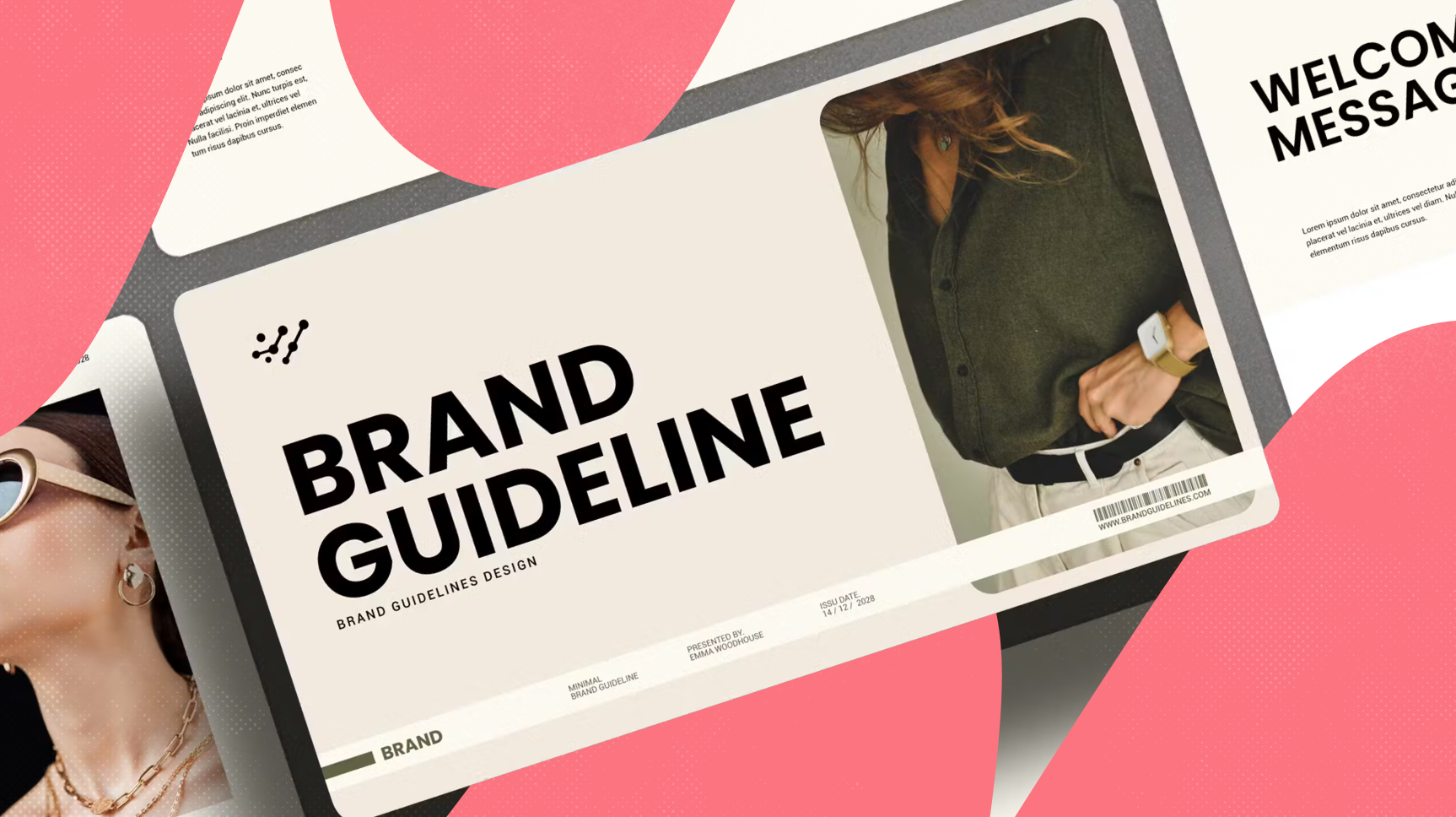
Struggling to maintain consistent branding across channels? From establishing your color palette and tone of voice to identifying your target audience, here’s how to craft effective online brand guidelines for 2024.
Imagine an environment where creativity thrives. Brand messaging becomes more cohesive. Ideas flow more freely. And everyone, from designers to strategists, works in unison towards a shared vision.
Think it’s a far-fetched dream? Not at all, even with team members bringing different skills and ideas to the table. Diversity is a goldmine for innovation. So the key to success is to align these different perspectives toward a common branding goal. That’s where online brand guidelines take center stage.
This article reveals how to craft an easy-to-follow blueprint for your online branding efforts (without hindering creativity).
Zach Pentel, head of brand and creative at Spotify, says, “If we’re going to go out there and make our mark on a global scale within a culture that moves so quickly, we need to work smarter and not harder.”
Crafting consistent online brand guidelines is key to addressing those concerns. That’s because they provide a unified framework for brand authenticity and visual harmony.
As designers and creatives, our instinct is often to dive straight into the design. But before you start, it’s essential to take a leaf from marketers’ books and do some customer research to gain a deep understanding of your audience. The most common sources of data you can use to understand your current and potential customers include:
Then, use that research to create customer and buyer personas. The idea is to create fictional people with characteristics based on the data you’ve gathered in your research. Focus on their:
Think of them as real people, and imagine their daily life, the art they appreciate, and the stories that resonate with them. Focusing on the details will help you to craft messages and visuals that truly connect.
Now that you’ve learned more about your customers, you can start shaping your brand guidelines. Your mission statement is where this journey begins. Think of it as the heartbeat of your brand’s identity. But don’t stop there. Weave in your purpose and vision to complete the trifecta.
These essential branding elements will act as your compass in the design phase, which we’re coming to next. By starting with customers and the mission statement, you can be sure to create a brand design that reflects your identity and resonates with your customers.

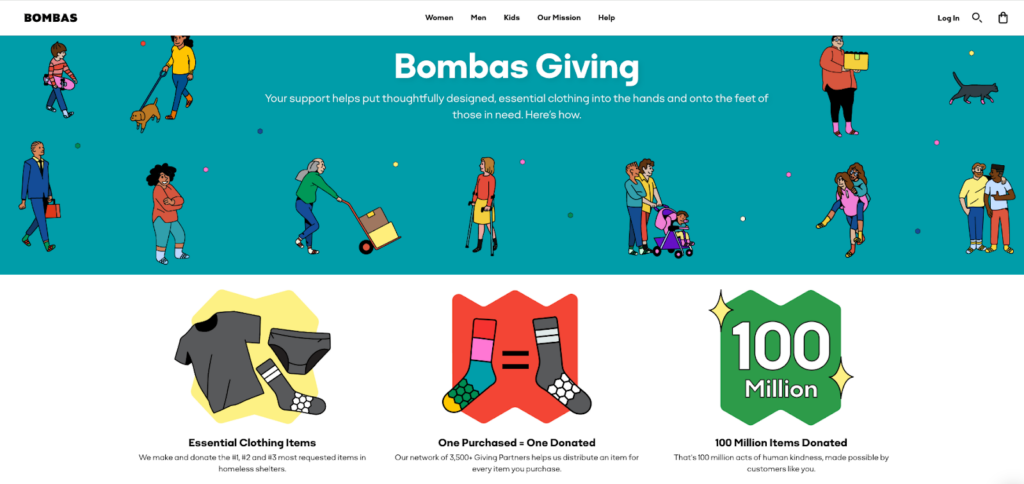
Don’t keep your mission to yourself. Share it with the world! Check out how Bombas shares its mission.
If you do it like Bombas, your mission statement will be more than just words. It’ll excite and inspire people.
In your brand guidelines, it’s essential to establish elements such as the type of font, logo, color palette, and even the type of images you plan to use. You can also use brand strategy templates to make it simple and easier to create your branding. This provides you with a framework for how you’ll showcase your brand across different platforms. As a result, you’ll have consistent branding and messaging throughout, which can increase revenue by 20%.
Form Health, a telehealth nutrition program offering weight loss prescriptions, is a good example of what following brand guidelines should look like on different platforms.

It uses the same color palette on Instagram and on its website. The logo is also present in all profile photos. Form Health’s brand is recognizable and memorable. Why? It’s consistent across all platforms and respects its guidelines.
Here are the design elements you’ll need to cover in your branding guidelines to ensure that everything remains consistent.
Did you know that people are 81% more likely to remember your brand’s color than to remember its name?
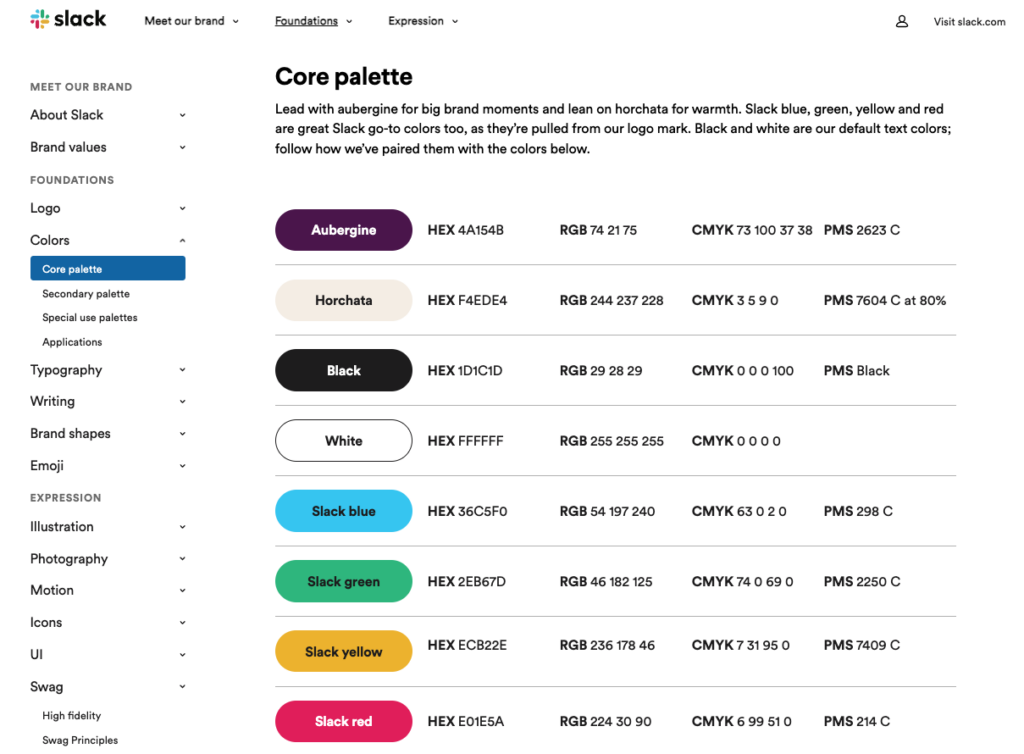
So establish a memorable color palette by listing the primary and secondary colors that define your brand. Be sure to use their specific color codes (e.g. PMS, CMYK, RGB, and HEX) for print and digital use. Also, include guidelines on using these colors in various contexts to ensure consistency in visual content creation.

Take a look at how Slack shares its unique color palette. The goal? Prevent incorrect colors from making their way into graphics. It’s a simple way to avoid brand confusion.
Choose the primary and secondary fonts for your brand. Then, decide on the specific usage guidelines for each font. The small details matter. Think about including sizes, colors, and styles.
Your chosen fonts should reflect your brand’s voice, tone, and message. Maybe you’re going for a playful brand image? Then a handwritten or script font could be the way to go. Need a more professional persona? You might consider using a serif or sans-serif font.
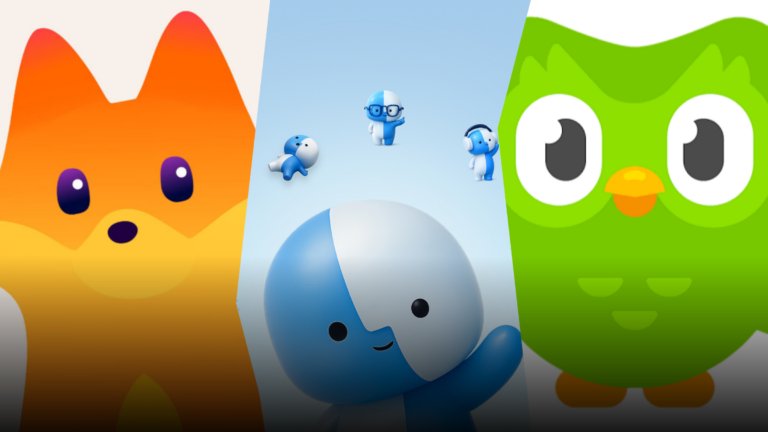
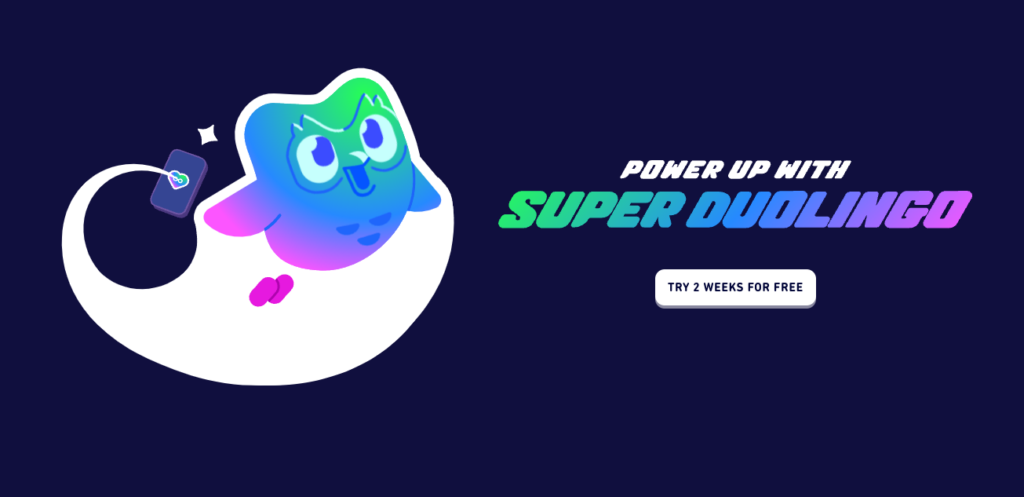
Duolingo has one goal: to make learning fun. And their fonts reflect this goal to a T. How can you pass up rainbow bubble letters that remind you of early 2000s WordArt? Mission accomplished.

Your brand’s visual identity encompasses everything people will see about your brand. It also affects how they recognize your business. This includes your typography, color palette, and imagery. A distinctive visual identity helps boost engagement and brand awareness.
Take a peek at how Magic Spoon raises the (protein) bar for branding.
With a monochromatic color scheme and cat-like eyes, it has heads turning while walking down the cereal aisle. That’s one brand that’s hard to forget.
Remember, your brand’s visual identity should be:
Your logo should have a simple, clean design that reflects your brand identity.
When designing your logo, consider the following:
Other tips for logo design:
Think of brand imagery as a way to communicate with your potential customers.
So make sure your imagery is memorable. It helps you maintain a consistent aesthetic and brand identity.
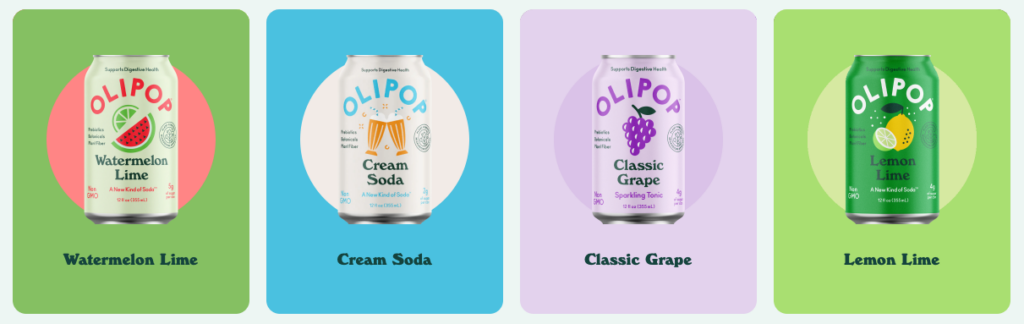
Inspiration Station: Olipop
Have you seen anything with a cooler aesthetic than Olipop’s online store?

OK, you probably have. But the packaging looks the same if you find their products in stores. And instead of a typical soda logo, they add cute graphics to represent each flavor.
To draw your audience’s eye, you can choose from:
Search for the right imagery that represents your brand. There are several different sources to choose from, including:
A well-defined personality and tone of voice for your brand’s communications is crucial.
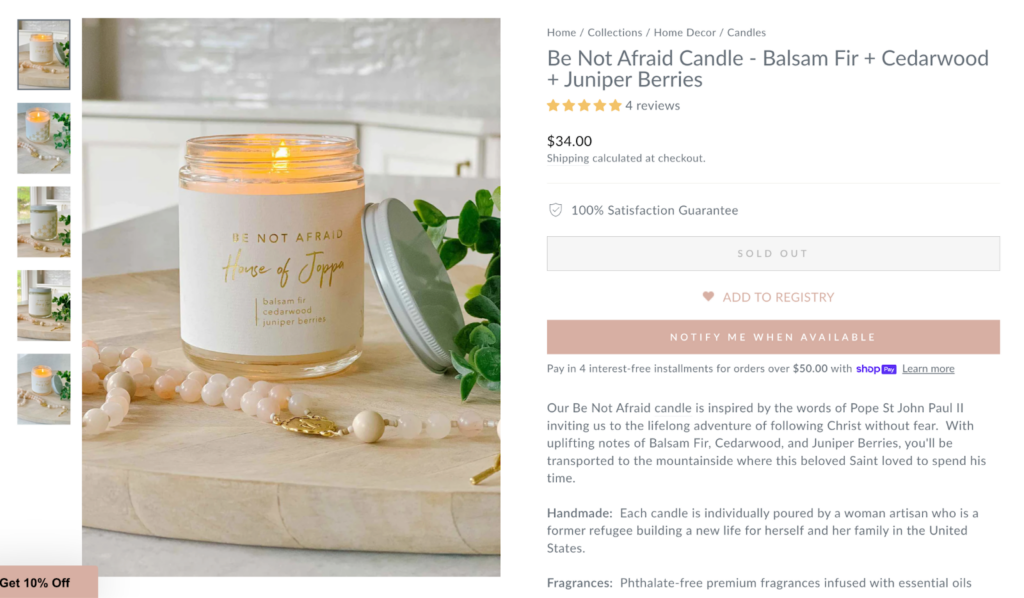
Consider House of Joppa, an online gift store. Its tone is warm, with a touch of lightheartedness. The brand’s website reflects this tone with playful product names and descriptions like the “Be Not Afraid Candle”. Blog posts also weave in religion and humor.

This personality shines through in every interaction. It makes customers feel that they’re joining a friendly, welcoming community.
Contrast that with a brand that lacks a defined personality. Its communication might be sterile and generic. That leaves customers feeling uninspired and unsure of who they’re talking to.
So how do you craft a tone and voice that sings? Start by digging deep into your brand’s DNA. Ask yourself:
Once you have a clear picture, translate it into tangible descriptors.
House of Joppa nails this with its About Us page. The company outlines its commitment to being “joyful, welcoming, genuine, and intentional.” You can see it through its writing style. The style is conversational, witty, and sprinkled with relatable anecdotes.
A social media style guide is another important element of brand guidelines.
There are various platforms available for you to engage with your audience, and you want to maintain consistency across those brands. Make sure you outline a set of rules that determine how you’ll present your brand on social media. These could include:
For example, Luxury watchmaker Rolex knows how to Instagram. To show off each watch, it creates a dedicated row in the Instagram grid. It’s sleek. It’s curated. It’s radiant. All the things that Rolex wants to be known for.
Online brand guidelines help you keep a consistent message across channels. Now that you know the core elements, here’s how to create and maintain effective online brand guidelines.
Craft your brand guidelines to maintain consistent messaging. Consider creating templates for various types of content, such as:
Use approved design elements in these templates to create consistent content. Then, train the team members in charge of content creation to follow brand guidelines.
Have a good review and approval process to make sure all content meets your brand guidelines. Brands evolve, and guidelines change, so it might be beneficial to conduct a brand audit. A SWOT analysis can help you assess your brand’s current position via the following:
This deep dive measures the effectiveness of your brand guidelines and policies. You should also consistently monitor progress across all channels. Learn how your evolving guidelines are performing, and make data-driven adjustments. You can use platforms like LeadsBridge to integrate with various marketing channels, bringing all your data into one central place.
This approach ensures that your messaging and design are consistent and allows you to respond quickly to market dynamics, keeping your communication strategy effective and relevant.
As your creative brand grows, so should your guidelines. Some things will remain consistent, while others must change to accommodate expansion.
One point to keep in mind is that as you grow, you’ll often take on new stakeholders. These stakeholders will have a say in how you maintain and scale your brand, including your guidelines. Stakeholder meetings can ensure everyone enjoys the same speaking privileges and that everyone’s voice is heard.
Level up your meetings and the following collaboration and cooperation by integrating tools like board meeting software. Tools like this record meeting minutes and help organize and track decision approvals — exactly what you need when discussing complicated topics like brand guidelines.
The point of creating your online brand guidelines isn’t to be a rule follower. In fact, it’s quite the opposite. It’s about unleashing your brand’s creative spirit and making every touchpoint a memorable experience for your audience.
Sculpt your brand’s identity with uniqueness and charm. Remember, a little pizzazz goes a long way — so get those creative juices flowing. Try Envato Elements for eye-catching brand visuals that are too good to pass up. We know you’ll love them.
Explore movie typography trends shaping 2026, from bold film fonts to cinematic branding, with inspiring examples and practical tips for creating impactful, screen-ready typography.
Explore the bold botanical design trend shaping 2026, from lush patterns and floral design to branding, interiors, and nature-inspired creative projects rooted in biophilic aesthetics.
Learn what font Disney uses, why it’s not downloadable, and discover Disney-style font alternatives to recreate that iconic, playful branding style in your own designs.
Explore PowerPoint templates with professionally designed layouts to create polished, modern, and visually cohesive presentations.