Color psychology: top 9 design color palettes to evoke emotion

Want to learn how to evoke all the emotions of the rainbow using color? Here are the top color palettes that evoke emotion and the color psychology behind them...

Kelsie Rimmer 19min read 5 Feb 2026
Color Psychology: Top Design Color Palettes for 2026

TL;DR: Color isn’t just something we see; it’s something we feel. Every shade sparks emotion, shapes perception, and guides how people experience design. Understanding color psychology helps you move beyond aesthetics and use color with purpose, whether you’re building trust, sparking excitement, or creating calm.

When used thoughtfully, color becomes one of the most powerful storytelling tools in a designer’s palette, influencing mood, behavior, and even decision-making. With the right color choices, your visuals don’t just look beautiful, they connect, inspire, and leave a lasting emotional impression.

Ever noticed how some color palettes seem to pop up everywhere in design, while others quietly fade away? Or why brands lean so heavily on certain hues when crafting ads and visuals? It all comes down to two words: color psychology.

Most of us instinctively link colors to feelings. Blue feels calm and trustworthy; red feels bold, passionate, sometimes even dangerous. But what’s really happening behind those associations, and why do they matter so much in design?

Color psychology is essentially the science of emotion through color. It’s about using shades and tones to influence how people think, feel, and respond. Sure, personal experiences and moods can shape our reactions, but color psychology offers a creative framework, a kind of emotional color map, that helps designers craft visuals with intention.

When you understand how color works on the mind, you can use it to design experiences that resonate deeply and linger long after the first glance.

What is color psychology?

Color psychology explores how color shapes our perception of the world and subtly influences our emotions, decisions, and even buying habits. In essence, it’s the study of how we respond to color on both a psychological and emotional level.

Colors don’t just decorate our surroundings; they communicate. They can calm or energize, build trust or spark urgency, soothe or excite. Understanding this connection allows creatives, marketers, and designers to use color intentionally, not just because it “looks nice,” but because it feels right for the message they want to send.

When you grasp the psychology behind color, choosing a color palette becomes a strategic, emotion-driven decision rather than a matter of taste or design trend. It’s about guiding how people feel when they interact with your personal brand or design projects.

If you’re ready to infuse more meaning into your creative work, here’s a look at the top colors that stir emotion, and the psychological theory behind how and why they resonate.

1. Red

Red Color Psychology

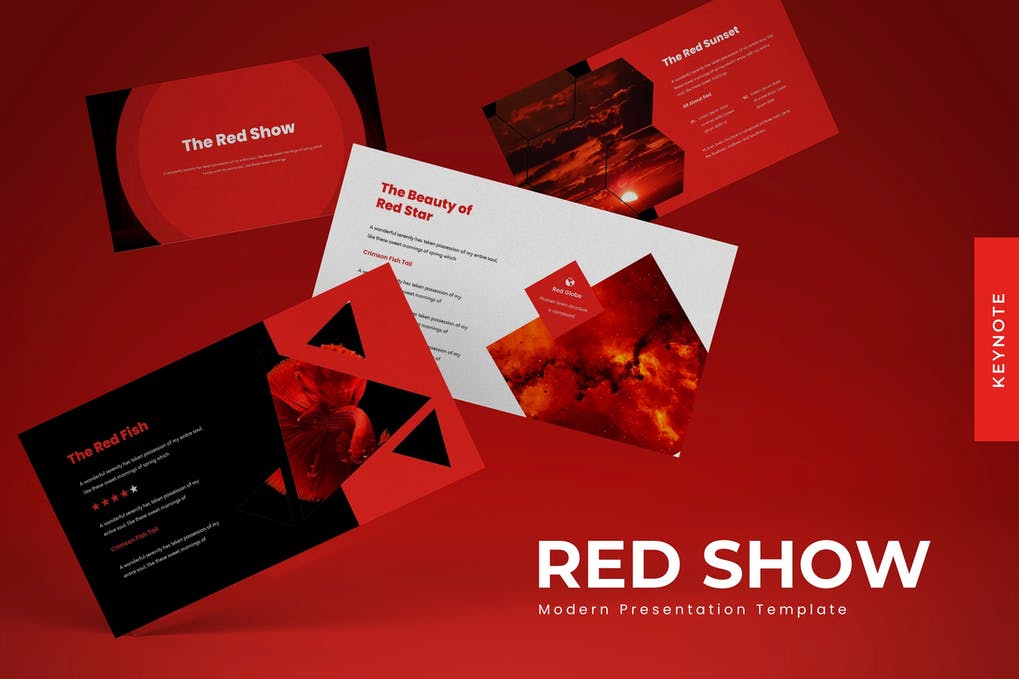
Few colors command attention quite like vermilion red. It’s the color of energy, passion, and intensity, instantly stirring emotion wherever it appears. From stop signs to sale banners, red has a way of saying “look here” before anything else does. That magnetic quality is exactly why it’s so powerful in branding, marketing, and design.

Psychologically, red is known to heighten alertness and even quicken physical responses. Studies show that athletes facing competitors in red are more likely to lose, and students exposed to red before an exam tend to perform slightly worse; it literally gets the heart racing. But that same rush can also be harnessed in exciting ways.

Red’s associations with love, excitement, and impulsivity make it ideal for sparking action. That’s why it thrives in call-to-action buttons, flash sales, and limited-time offers, anywhere you want to create urgency and drive immediate response.

However, red’s power lies in its restraint. A little goes a long way. Used sparingly, it can feel luxurious or iconic, as seen in Christian Louboutin’s red soles or Coca-Cola’s classic red-and-white palette. But overdo it, and the emotion shifts from thrilling to overwhelming. The trick is balance, let red amplify emotion, not overpower it.

Positive associations:

  • Power: Red instantly communicates confidence and dominance; it’s a color that stands tall and refuses to fade into the background.
  • Passion: Often linked to love and desire, red adds emotional depth and intensity to visuals, making them feel alive and heartfelt.
  • Energy: It radiates movement and momentum, perfect for conveying dynamism or action.
  • Fearlessness: Red is bold and unapologetic, making it ideal for brands or designs that want to project courage or rebellion.
  • Strength: A timeless symbol of resilience and stamina, red evokes a sense of determination and endurance.
  • Excitement: Its vibrancy naturally boosts enthusiasm and anticipation, fueling engagement and interest.

Negative associations:

  • Anger: Red’s fiery undertone can suggest rage or conflict when overused or paired with harsh contrasts.
  • Danger: Universally used in warning signs, red can signal threat or caution.
  • Warning: It captures immediate attention in high-stakes situations, making it great for alerts, but less so for calm design environments.
  • Defiance: It’s the rebel of the color wheel, bold, challenging, and unafraid to disrupt norms.
  • Aggression: In excess, red can feel confrontational or overwhelming.
  • Pain: Its association with blood and injury can be discomforting if not carefully balanced.

Ready to harness the intensity of this powerful hue? Explore our Ruby Red Collection on Envato, a curated set of assets perfect for adding boldness, heat, and passion to your next creative project.

2. Blue

Blue Color Psychology

If red is all fire and adrenaline, phtalo blue is its cool, composed counterpart, the color of calm, trust, and clear thinking. Often associated with the sky and the sea, blue brings a sense of depth and expansiveness to design. It’s no wonder that blue consistently ranks as the world’s favorite color; it feels familiar, soothing, and balanced.

Color psychology research shows that blue environments can actually boost productivity and focus, making it an ideal color for offices, digital interfaces, and professional branding. From airy Azure tones to dependable Navy, blue has a broad emotional range, able to feel refreshing or deeply grounded depending on the shade.

It’s also a go-to for brands like Facebook, LinkedIn, and American Express, which rely on blue’s association with trust, stability, and reliability to reinforce their credibility. While it can sometimes lean into feelings of detachment or melancholy, overall, blue brings a serene, confident energy that inspires calm and connection.

Positive associations

  • Trust: Instantly conveys reliability and integrity, ideal for brands that want to be seen as credible and safe.
  • Loyalty: Blue signals steadfastness and devotion, helping build emotional bonds with audiences.
  • Dependability: It feels consistent and grounded, traits that evoke long-term commitment.
  • Logic: Cool tones encourage clarity of thought and rational decision-making.
  • Serenity: Evokes peace and tranquility, reducing stress and mental clutter.
  • Security: Blue reassures, creating a feeling of safety and stability.

Negative associations: 

  • Coldness: Can feel distant if used without warmth or contrast.
  • Aloofness: Excessive blue may make a design feel detached or unapproachable.
  • Emotionless: Its composure can sometimes suppress emotional warmth.
  • Unfriendliness: When paired with sharp contrasts or muted tones, it can seem rigid.
  • Uncaring: Too much blue might feel impersonal in emotional contexts.
  • Unappetizing: Rarely used in food branding, as blue tends to suppress appetite.

Want to weave calm, clarity, and reliability into your next project? Explore the Blue Illusion Collection on Envato, a curated set of blue-inspired design assets that bring focus and serenity to any creative canvas.

3. Yellow

Bright, bold, and full of energy, mustard yellow is the color of optimism and creative spark. Chosen as one of Pantone’s Colors of the Year for 2021, it embodies warmth, hope, and possibility. Think of sunflowers stretching toward the sun or the vibrant zing of citrus fruit, yellow brings instant light and life wherever it appears.

As the lightest and most radiant color on the spectrum, yellow has an unmatched ability to lift moods and ignite inspiration. It’s the shade of fresh starts and innovative ideas, making it a natural fit for designs that want to energize or motivate. In branding, yellow often communicates friendliness and fun; it’s approachable, happy, and confidently upbeat.

But like the sun itself, too much exposure can be overwhelming. Because yellow has one of the longest wavelengths, it can quickly shift from cheerful to agitating, triggering tension or frustration when overused. Studies have even shown that excessive yellow may cause babies to cry more frequently!

That said, when used thoughtfully, yellow is a master mood-booster. Its high visibility makes it perfect for signage, callouts, and fast-food branding, where quick recognition and stimulation are key.  Iconic brands like McDonald’s, Subway, and Denny’s use yellow to evoke warmth, energy, and appetite, all tied to positive, social experiences.

Positive associations:

  • Optimism: Symbolizes hope, confidence, and a bright outlook.
  • Warmth: Conjures feelings of comfort, sunlight, and friendliness.
  • Happiness: Naturally linked to joy and laughter.
  • Creativity: Inspires fresh thinking and playful experimentation.
  • Intellect: Associated with curiosity, logic, and mental clarity.
  • Extraversion: Radiates sociability and enthusiasm.

Negative associations:

  • Irrationality: Too much can feel erratic or chaotic.
  • Fear: Sometimes tied to caution or nervousness.
  • Caution: Its use in warning signs connects yellow with alertness or restraint.
  • Anxiety: Intense brightness can overstimulate the mind.
  • Frustration: Can quickly shift from cheerful to irritating in excess.
  • Cowardice: Historically linked with timidity or retreat.

Want to add some sunshine to your next creative project? Explore the Sunshine Yellow Collection on Envato, a radiant curation of templates and design assets that channel positivity, playfulness, and pure creative joy.

4. Green

Perfectly placed at the center of the color spectrum, color green is the hue of harmony, renewal, and balance. It’s the color of life itself, lush forests, new growth, and the promise of spring. Much like blue, green brings a sense of calm and reassurance, grounding our emotions and helping us reconnect with nature.

Scientifically speaking, green is also one of the easiest colors on the eyes. Because it requires no adjustment when it hits the retina, it can reduce eye strain and promote visual comfort. That’s why it’s often used in night vision displays; our eyes can perceive more shades of green than any other color.

In design and branding, green radiates health, freshness, and sustainability. Brands like Whole Foods, Land Rover, and Starbucks embrace green to reflect wellness, growth, and environmental care. In interior spaces, performers traditionally wait in a “green room” before going on stage, a calming tradition that speaks to green’s restorative influence.

Of course, like all colors, green has its contrasts. While it’s a symbol of vitality and prosperity, it can also hint at envy, jealousy, or stagnation when misapplied. The key lies in tone; rich emeralds convey sophistication, while pale mint feels fresh and friendly.

Positive associations:

  • Health: Symbolizes vitality, wellness, and renewal.
  • Hope: Conveys optimism and a sense of progress.
  • Freshness: Feels clean, rejuvenating, and natural.
  • Nature: Instantly evokes growth, harmony, and balance.
  • Growth: Represents both physical and emotional development.
  • Prosperity: Tied to abundance and financial success.

Negative associations:

  • Boredom: Overly muted greens can feel dull or uninspired.
  • Stagnation: Can suggest a lack of movement or growth.
  • Envy: The classic “green-eyed” feeling of jealousy.
  • Blandness: Soft or overused tones might lack vibrancy.
  • Enervation: In excess, green can feel sluggish or heavy.
  • Sickness: Sometimes linked to nausea or imbalance.

Bring the calm, freshness, and natural harmony of green into your next project with our Go Green Collection on Envato, a handpicked range of design templates and assets inspired by nature’s most balanced hue.

5. Pink

Soft yet expressive, color pink has long been associated with love, warmth, and compassion. It embodies traditionally feminine qualities like gentleness, care, and kindness, but today, it’s also recognized as a color of creativity, transformation, and modern individuality.

From bold magenta tones to delicate Living Coral, pink carries a surprising emotional depth, making it both versatile and impactful.

Psychologically, pink encourages empathy and imagination. It’s often used to convey emotional connection and support, qualities that make it especially resonant in wellness, beauty, and lifestyle branding. On a deeper level, pink can spark creativity, symbolizing the birth of new ideas and fresh perspectives.

But like every color, pink has its contradictions. When overused or poorly balanced, it can come across as immature, frivolous, or impulsive. The wrong shade can quickly shift a design from sophisticated to superficial. The key lies in intention, knowing whether your palette is meant to soothe, excite, or disrupt.

In branding, pink has made a bold comeback thanks to the Millennial Pink trend that began in 2016. This muted, gender-neutral tone spread across social media feeds, product packaging, and runway palettes, redefining pink as a color of cultural relevance and modernity. Meanwhile, Pastel Pink remains a go-to for brands seeking a youthful, soft, and contemporary aesthetic.

Positive associations:

  • Imaginative: Inspires creative thinking and open-mindedness.
  • Passion: Represents gentle but enduring emotion.
  • Feminine: Symbolizes care, empathy, and beauty.
  • Creative: Encourages artistic expression and new ideas.
  • Innovation: Modern pinks feel forward-thinking and unconventional.
  • Balance: Combines the warmth of red with the calm of white.
  • Trendy: Continues to evolve with culture and design movements.

Negative associations:

  • Flippancy: Can appear unserious or overly whimsical.
  • Childish: Soft pinks may read as naive or immature.
  • Raw: Bright, hot pinks can feel overly intense.
  • Impulsive: May suggest emotional volatility or spontaneity.
  • Eccentric: Bold pinks can polarize audiences.
  • Ephemeral: Certain tones risk feeling short-lived or trendy.

Want to add a touch of warmth and modern flair to your next project? Explore the Flamingo Pink Collection on Envato, a curated selection of pink-inspired assets designed to infuse your work with creativity, confidence, and charm.

6. White

Pure, simple, and endlessly versatile, white is the color of clarity and new beginnings. Technically, it’s both the reflection and the absence of all color, making it a visual and symbolic “clean slate.” For centuries, white has been tied to purity, innocence, and renewal, which is why it often appears in wedding attire, healthcare settings, and minimalist design.

In modern design psychology, white is more than just neutral; it’s transformative. It creates balance, breathes space into layouts, and allows other colors to shine. That’s why it’s such a favorite in contemporary branding and digital design: white can make any visual feel organized, fresh, and elevated.

However, when misused, white can lean toward sterility or emptiness, evoking feelings of isolation or emotional distance. The secret lies in context; pairing white with warmth, texture, or contrast brings it to life. 

In the minimalist design movement, white has come to represent elegance, sophistication, and quiet confidence. Brands like Apple have mastered this balance, using sleek white visuals to signal innovation, modernity, and simplicity.

Positive associations:

  • Cleanness: Symbolizes freshness and hygiene, perfect for creating order and calm.
  • Clarity: Provides mental and visual space for focus and understanding.
  • Purity: Represents innocence, sincerity, and renewal.
  • Simplicity: Embodies minimalism and clear intention.
  • Sophistication: Feels refined and timeless when paired with metallics or neutrals.
  • Freshness: Suggests new beginnings and rejuvenation.

Negative associations:

  • Sterility: Too much white can feel clinical or impersonal.
  • Coldness: Lacks warmth if not balanced with texture or accent color.
  • Unfriendliness: Can create emotional distance when overused.
  • Elitism: Pristine design can sometimes feel exclusive or unapproachable.
  • Isolation: Empty spaces may evoke detachment.
  • Emptiness: Risks feeling unfinished or devoid of emotion.

Want to embrace minimalism and add visual breathing room to your next project? Explore the Ultra White Collection on Envato, a curated range of clean, modern design assets that celebrate simplicity, balance, and timeless style.

7. Black

Black Color Psychology

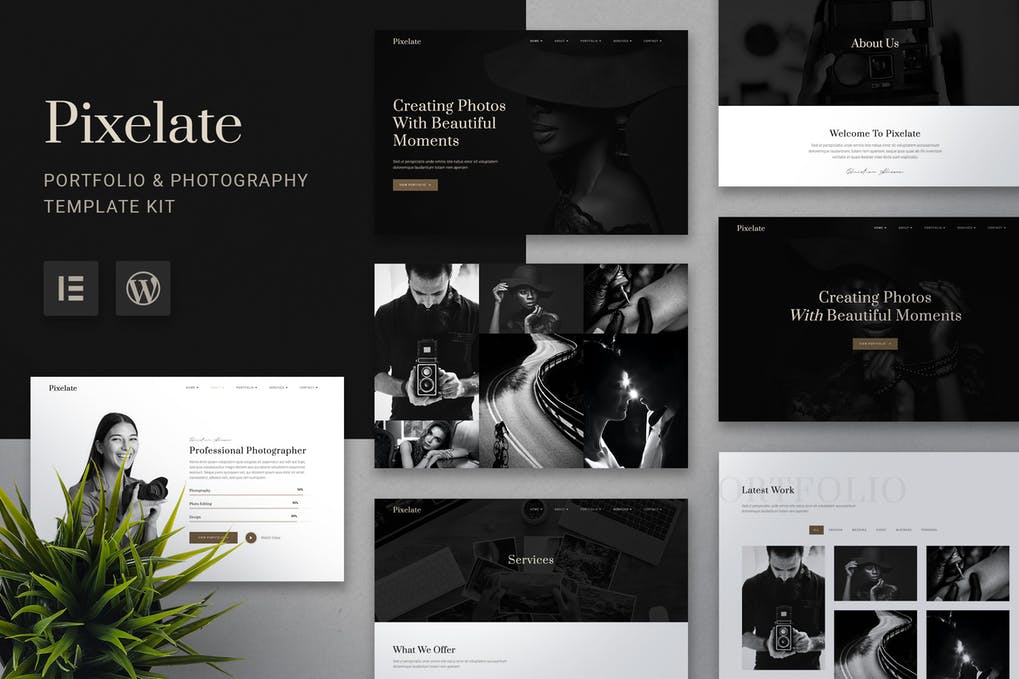
If white is the color of light and beginnings, black is its elegant counterpoint, the total absorption of all color and the absence of light itself. This duality gives black a fascinating depth. It’s both mysterious and authoritative, representing power, sophistication, and strength, but also carrying associations with darkness, grief, and the unknown.

Psychologically, black commands respect. It’s sleek, serious, and timeless, qualities that have made it a cornerstone of luxury branding. Think Chanel’s refined minimalism, Nike’s bold modernity, or The New York Times’ understated authority. Black lends weight and confidence to any visual identity, creating an impression of control and professionalism.

Yet, its power can feel intimidating if used without contrast. Overuse may evoke feelings of oppression, coldness, or melancholy, especially in heavy blocks or low-light contexts. The balance lies in using black strategically, as an anchor for color, a frame for content, or a tool to emphasize depth and focus.

In digital design, black has taken on new life through dark mode, offering a more comfortable and contemporary user experience. This resurgence highlights black’s adaptability; it’s not just classic; it’s cutting-edge.

Positive associations:

  • Sophistication: Synonymous with luxury and refined taste.
  • Security: Conveys strength, control, and reliability.
  • Power: Radiates authority and confidence.
  • Elegance: Effortlessly stylish and timeless.
  • Authority: Suggests leadership and gravitas.
  • Substance: Adds weight and seriousness to design.

Negative associations:

  • Oppression: Can feel heavy or authoritarian when overused.
  • Coldness: Lacks emotional warmth or approachability.
  • Menace: Often tied to fear, secrecy, or danger.
  • Heaviness: Visually dense, can overpower lighter tones.
  • Evil: Historically linked to darkness or moral decay.
  • Mourning: Commonly associated with grief and loss.

Looking to bring bold contrast and timeless sophistication to your next creative project? Explore the Raven Black Collection on Envato, a sleek set of assets designed to infuse your work with confidence, style, and dramatic impact.

8. Gray

Gray Color Psychology

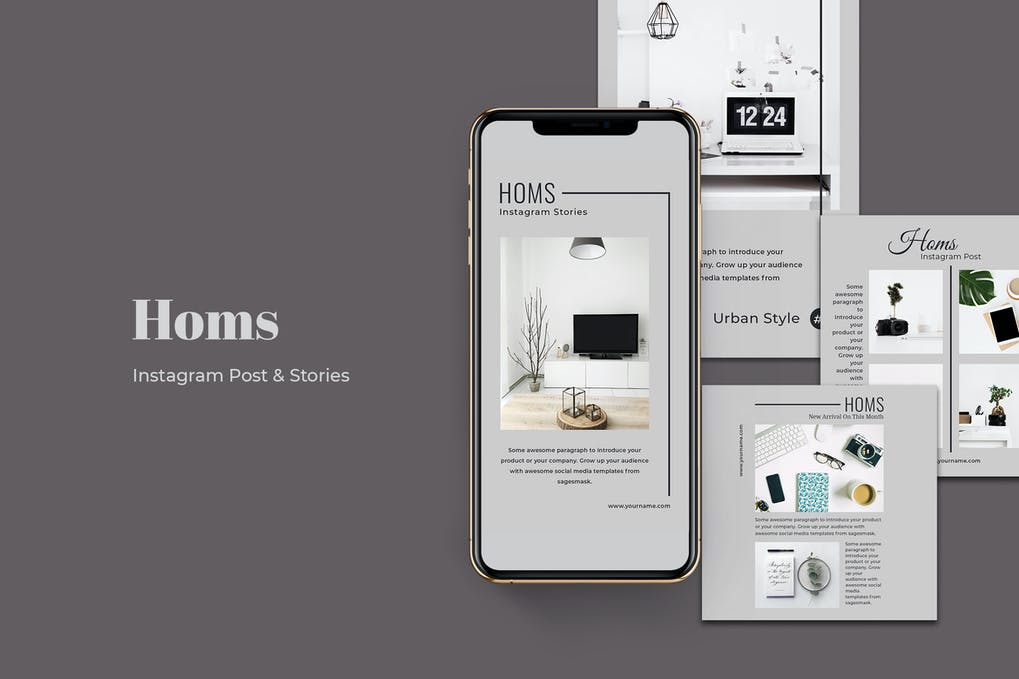
Elegant, balanced, and quietly confident, gray sits between the extremes of black and white, embodying neutrality, wisdom, and modern sophistication.

Named one of Pantone’s Colors of the Year for 2021 (Ultimate Gray), it represents strength, steadiness, and a grounded sense of resilience. Like the color of mountain stone or smooth beach pebbles, gray feels timeless and enduring, solid in a world of change.

Gray’s versatility makes it a favorite in contemporary design. It’s often used as a foundation color, a sleek backdrop that allows bold ideas or vivid hues to stand out. When used with precision, gray can elevate visuals, giving them a professional, luxurious edge. That’s why major brands like Apple, Swarovski, and Mercedes-Benz rely on gray to communicate innovation, elegance, and dependability.

However, this neutrality can also be its downfall. In excess or in isolation, gray can feel flat or uninspiring, potentially evoking melancholy or fatigue. 

It’s a color that needs context; pair it with a strong accent shade or use it to frame content rather than dominate the scene. Done right, gray becomes the quiet hero of design: subtle, confident, and enduring.

Positive associations:

  • Timelessness: Feels enduring and resistant to trends.
  • Neutrality: Provides balance and calm between light and dark.
  • Reliability: Conveys consistency and stability.
  • Balance: Harmonizes contrasting tones effortlessly.
  • Intelligence: Suggests wisdom, maturity, and rationality.
  • Strength: Represents quiet resilience and inner fortitude.

Negative associations:

  • Lack of confidence: Can appear indecisive or uninspired.
  • Dampness: May evoke gloomy, overcast moods.
  • Depression: Muted tones can feel emotionally heavy.
  • Hibernation: Symbolizes inactivity or withdrawal.
  • Lack of energy: Risks dulling the overall visual tone.
  • Blandness: Too much gray can drain vibrancy and life.

Want to create a sleek, balanced, and enduring design aesthetic? Explore the Graphite Gray Collection on Envato, a modern mix of design assets that bring stability, refinement, and understated power to your next creative project.

9. Gold

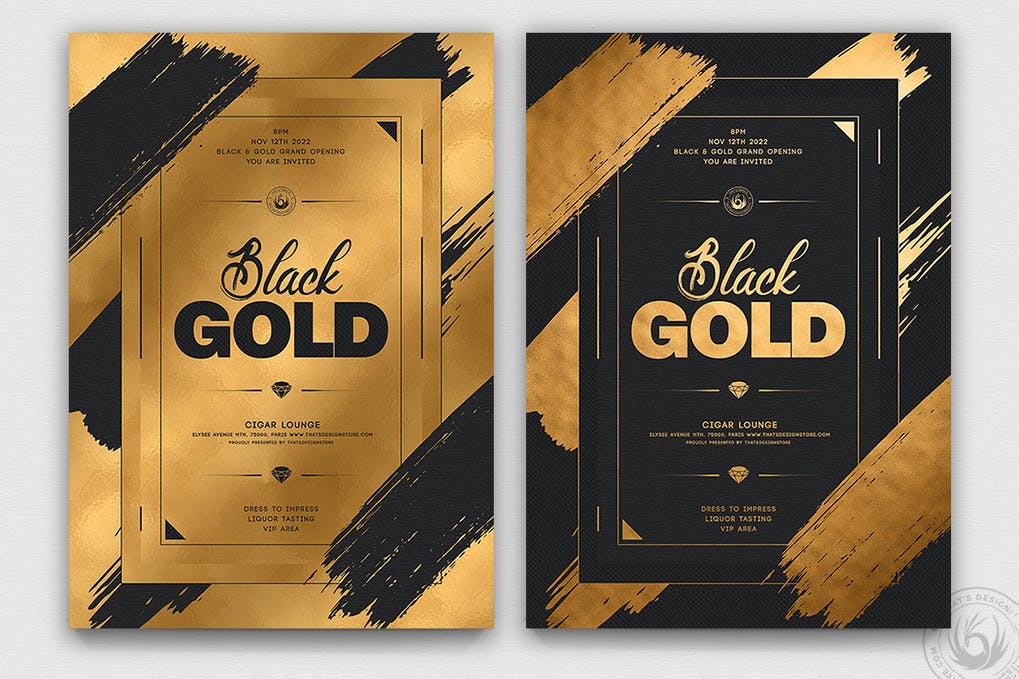
Radiant and timeless, gold is the color of achievement, prestige, and success. Long associated with luxury and abundance, it embodies the pinnacle of prosperity and power. From ancient treasures to modern branding, gold has always symbolized excellence and triumph, a visual shorthand for value and accomplishment.

Beyond its material connotations, gold also carries spiritual depth. It represents wisdom, enlightenment, and higher ideals, reflecting warmth, generosity, and optimism. Like sunlight, gold has a natural ability to illuminate everything around it, making it both uplifting and empowering.

In design, gold conveys elegance, confidence, and exclusivity. It adds richness to visual compositions and pairs beautifully with dark tones for a striking contrast. That’s why luxury and heritage brands such as Versace, Lindt, and MGM embrace gold to communicate opulence and authority.

Interestingly, gold also leans toward masculine energy, symbolizing the sun’s strength and vitality, whereas silver is often linked to the moon’s feminine sensitivity and reflection. However, gold walks a fine line. When overused or poorly balanced, it can shift from sophisticated to showy or superficial.

The key is subtlety, allowing gold to accent rather than overwhelm. Its visual and emotional impact comes from how it catches light and implies worth without needing to shout.

It’s no surprise that gold has consistently ranked among Envato’s top color trends for three consecutive years, with creators searching for gold textures, logos, backgrounds, and typography to elevate their designs. Its allure remains as strong as ever, a symbol of aspiration that never goes out of style.

Positive associations:

  • Success: Evokes victory, recognition, and achievement.
  • Abundance: Suggests prosperity and growth.
  • Wealth: Conveys luxury and high value.
  • Wisdom: Represents knowledge, insight, and understanding.
  • Luxury: Feels indulgent and sophisticated.
  • Passion: Adds warmth and energy to design.
  • Charisma: Radiates charm, confidence, and attraction.

Negative associations:

  • Self-centered: Can feel ego-driven or boastful.
  • Demanding: Suggests entitlement or excess.
  • Ostentatious: Risks tipping into extravagance.
  • False: May seem inauthentic or superficial.
  • Greedy: Linked to overindulgence or material obsession.
  • Shallow: Lacks depth when used without contrast or grounding tones.

Ready to add brilliance and prestige to your next project? Explore the Glittering Gold Collection on Envato, a handpicked curation of shimmering textures, luxe templates, and golden assets designed to make your work shine with sophistication and style.

And there you have it!

Color isn’t just decoration, it’s communication. Every hue tells a story, stirs emotion, and shapes how people experience your work. Whether you’re designing a logo, building a brand, or curating a creative campaign, understanding color psychology helps you choose intentionally, so every shade supports your message and moves your audience.

We hope this guide helped you see how different colors can inspire, influence, and transform your designs. When used thoughtfully, color theory becomes a powerful design tool, one that turns visuals into experiences.

Want more color inspiration? Explore our latest creative guides and design color trends roundups:

Bring your next project to life, one color at a time.

FAQs: Color psychology in design

Related Posts