How to edit with AI using Envato stock photos
Learn how to edit with AI on Envato stock photos, customizing images instantly by removing objects, changing backgrounds, and creating polished visuals without leaving the platform.
Envato: Get every type of asset for any type of project, and access to AI tools. Start now
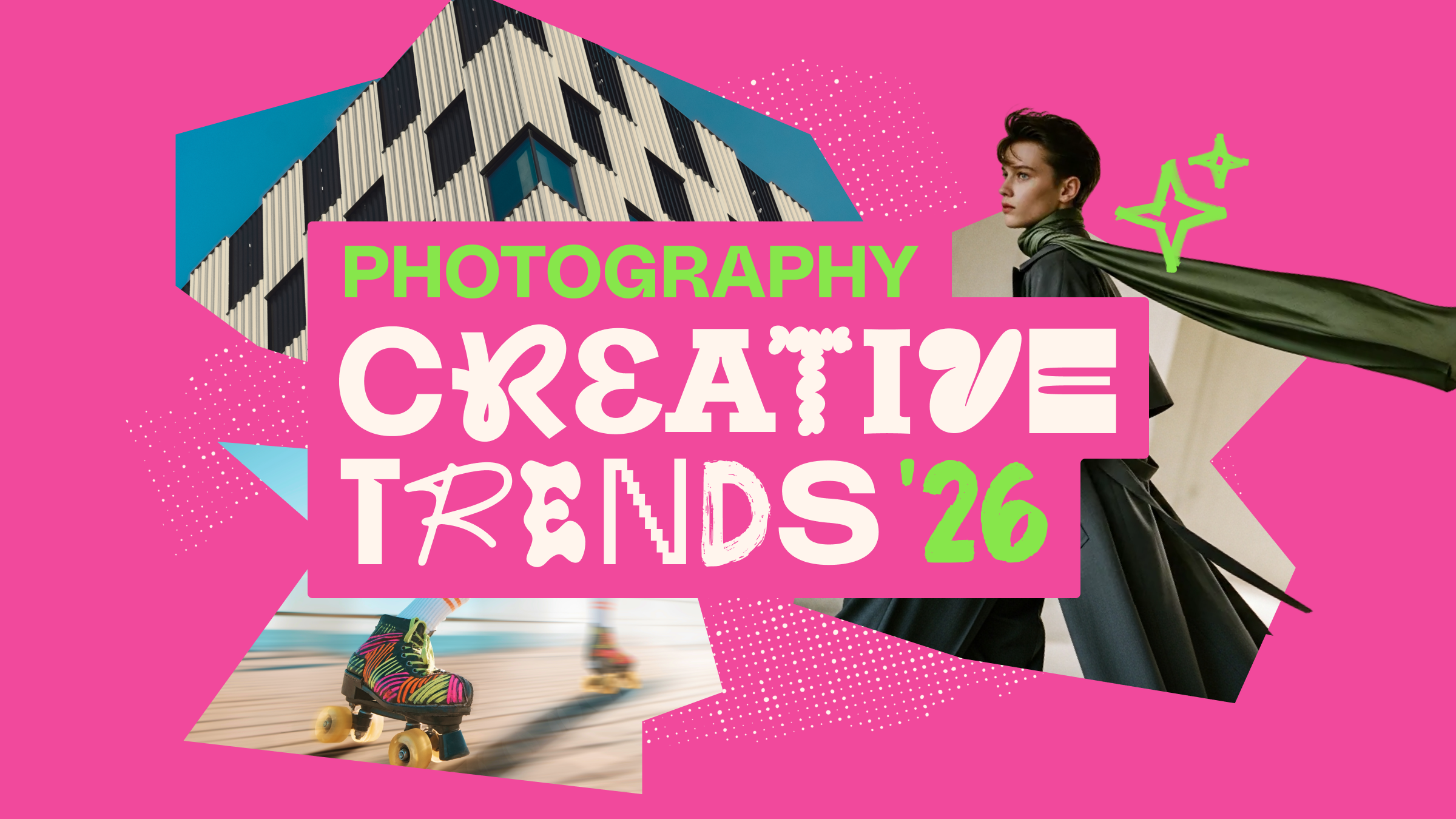
2026 is a turning point for photography. AI workflows are getting sharper, aesthetics are getting bolder, and creators everywhere are ditching “perfect” for something a little more human. As photography trends evolve faster than ever, whether you shoot on a phone, a drone, or a full-frame Hasselblad, here are the latest shifts shaping how we capture the world.
AI-powered editing has shifted from a novelty to an everyday essential. Tools like ImageEdit, featuring Nano Banana and Nano Banana Pro, automate tasks that photographers used to spend hours on, including masking, skin cleanup, lighting fixes, and full stylistic transformations. This surge in intelligent automation is shaping many of today’s leading photography trends, where what once required numerous layers in Photoshop can now be achieved in a single prompt or slider adjustment.
The result is a massive leap in speed and creative freedom. Photographers can try bolder looks, iterate on concepts instantly, and deliver professional-grade images, even with a tight turnaround. This is reshaping every corner of the industry, from commercial retouching and editorial work to social content, portraits, and branded campaigns.
However, the shift does raise important questions. Creators are paying closer attention to the transparency of creation, the risk of identical AI fingerprints across images, and the challenge of maintaining artistic authenticity. That being said, AI editing is becoming as fundamental to photography as the camera itself.
Cinematic photography is taking over creative feeds with filmic lighting, rich color grading, letterboxed frames, and slow shutter vibes. It’s one of the most influential photography trends of 2026, characterized by a style shaped by the language of movies, where every shot feels like a frame pulled directly from a feature film. (But you get to imagine the story behind the image.)
This photography trend continues to grow because streaming culture has transformed how people watch and perceive visuals. Movie marketing aesthetics are everywhere, from thumbnails to trailers, and younger creators are leaning into a wave of cinema nostalgia. They want photos that evoke an atmosphere, evoke emotions, and feel larger than life. You will see this style making its way into fashion campaigns, social storytelling, editorial portraits, and even music covers. It brings a sense of narrative power to any project.
Creators achieve the look with color palettes built on teal and orange offsets, soft contrast, and anamorphic style flare overlays. Many also add subtle, moody VFX elements to create more depth or tension in the frame. The end result is photography that feels immersive and cinematic, with a visual tone that instantly stands out in crowded feeds.
Candid and authentic photography is gaining popularity rapidly as creators embrace imperfection as an aesthetic. The look is raw, spontaneous, and documentary-inspired, built on grain, blur, real bodies, and unposed expressions. It’s one of the defining photography trends of 2026, capturing people as they are in the moment (ot posed or polished). The keywords shaping this trend include candid lifestyle, unfiltered moments, everyday scenes, and street energy. It’s about celebrating the real world and the real people in it.
This movement is gaining momentum because audiences are pushing back against the perfect AI face and the hyper-edited style that dominated the last decade. There is a growing appetite for human diversity and a rising distrust of images that feel too manufactured. Authenticity is no longer a bonus for brands; it has become a necessity. It is the expectation. This photography trend connects quickly with viewers because it feels honest and relatable.
To achieve the look, photographers lean into point-and-shoot vibes, natural lighting, quick shutter grabs, and minimal retouching. The magic comes from embracing the little imperfections that make a moment feel real. On Envato, photo searches for “unfiltered” have increased by 11% in the past month alone. (And searches for “unfiltered” are up 110% in the past month for video!).
Mobile-first framing is shaping how photographers compose shots in 2026. The look leans into vertical formats, front-camera energy, tight crops, and a bit of handheld shake. It mirrors how people actually capture and consume content on their phones, making it one of the most recognizable photography trends driven by TikTok, Reels, and the rise of the phone as the primary creative device for millions of photographers and creators.
You will see mobile-first framing everywhere, including behind-the-scenes clips, street portraits, travel storytelling, and micro vlogs. It creates a sense of closeness that feels personal and unscripted.
Drone and aerial photography are entering a new creative phase in 2026. Cheaper and smaller drones, improved sensors, and the rise of cinematic FPV have made high-altitude and high-speed imagery more accessible than ever. This shift has pushed drone work to the forefront of modern photography trends, resulting in a surge of ultra-wide vistas, bird’s-eye patterns, geometric landscapes, and fast FPV-inspired movement.
This trend is thriving across various industries, including travel content, real estate marketing, sports coverage, and event highlight reels. Brands and creators are utilizing aerial footage to showcase scale, patterns, crowds, and locations in ways that ground-based cameras cannot capture — a clear sign of how strongly drone work is shaping today’s photography trends.
Motion blur is a photography trend that’s making a major comeback in 2026. Photographers are embracing creative blur, long exposure, and intentional movement to create images filled with energy and emotion. Think light trails, running silhouettes, car streaks, blurry crowds, and the feeling of a night city rushing by.
This trend is on the rise because audiences want images that feel authentic and alive. Urban energy, emotional dynamism, and the influence of social video aesthetics are driving a renewed love for expressive movement in still photographs. Searches for motion blur have increased by 15% in the past month on Envato, a strong indication that creators are exploring this look more than ever.
You will see this trend everywhere, from street photography and fashion movement shots to nightlife campaigns. Techniques include controlled long exposures, intentional camera movement, quick shutter drag experiments, and creative streak effects that turn motion into a visual story.
The analog look is more popular than ever. Film grain, flash-on snapshots, color shifts, dust overlays, and VHS-style frames are defining the new retro wave in photography. This aesthetic is one of the most nostalgic photography trends of 2026, driven by a mix of vintage revival and a cultural backlash against AI-generated imagery. People want photos that feel imperfect and rooted in the real world.
Photographers are combining traditional film techniques with digital workflows, utilizing 35mm scans, disposable cameras, vintage lens distortion, and retro preset packs to create warm and textured images. Film grain searches on Envato have increased by 31 percent in the past month, indicating that this style is gaining significant traction for 2026.
Photography in 2026 is embracing faces with history. Unconventional features, natural asymmetry, and visible texture are becoming powerful visual assets rather than flaws to hide. This photography trend is fueled by a cultural rejection of the smooth and homogenized appearance of AI-generated faces. Brands are realizing that real people with real stories create stronger emotional connections.
Age-positive casting is becoming increasingly prevalent in beauty campaigns, fashion editorials, and product photography. Major labels are leading the way. Canada Goose spotlighted Willie Nelson and Saint Laurent’s work with Christopher Walken, showing that character-rich faces deliver unforgettable imagery. The impact is a broader, more inclusive representation of beauty and identity.
Perfection is out. In 2026, photographers are embracing chaos as a creative statement. Messy aesthetics highlight cluttered kitchens, wrinkled clothes, uneven surfaces, and spaces that feel lived in rather than staged. It’s one of the boldest photography trends emerging this year, reflecting a growing rejection of polished, aspirational images in favor of something that feels human and unfiltered.
The push behind this look comes from an anti-aspirational mindset. Viewers are responding to real-life energy rather than perfectly arranged scenes. Brands in the food, fashion, and lifestyle sectors are embracing imperfections, such as spills, crumbs, crooked lines, smudges, and imperfect compositions, to convey honesty and approachability.
These images feel spontaneous and relatable. The goal is not to showcase a perfect space. The goal is to show a believable one that makes viewers feel comfortable and understood.
Screenshots are no longer throwaway assets. In 2026, they are a full visual language used to signal speed, authenticity, and the humor of internet life. Creators are intentionally keeping TikTok UI, chat bubbles, timestamps, and layered grabs in the frame to make images feel pulled straight from the screen. The result is a photography trend that embraces digital noise rather than trying to hide it.
This trend is thriving because audiences trust what appears to be real. A screenshot feels immediate. It feels like someone sharing something they just found, rather than something carefully produced. Youth-driven brands and social-first campaigns use this look to tap into meme culture and the chaotic humor of modern social media timelines.
Compression artifacts, cropped interfaces, stacked elements, and deep-fried visuals are part of the charm. The messier the digital footprint, the more relatable the image becomes.
You do not need a full studio setup to experiment with these photography trends. Start by leaning on AI tools for quick cleanup, skin retouching, and lighting fixes. These tools make it easy to test new looks without slowing your workflow.
Shoot more candidly and let spontaneity lead the way. Use wider lenses, capture real moments as they unfold, and avoid heavy staging. The goal is to make your images feel lived-in and human, a core shift reflected in today’s leading photography trends.
Experiment with motion by capturing long-exposure city scenes, running silhouettes, and intentionally blurred images. Movement adds emotional energy and gives stills a sense of narrative. And if you want a deeper texture, consider exploring analog workflows with film or point-and-shoot cameras, or utilize digital presets that emulate vintage processes. Both approaches align with current photography trends and will add character and mood to your work.
Embrace mobile-first framing by shooting vertical, using handheld angles, and letting your phone guide the composition. This matches the visual language of TikTok, Instagram Reels, and contemporary storytelling. Most importantly, let imperfections stay in the frame. Keep the clutter, the grain, the noise, and the off-center crops. These details make your photos feel honest, relatable, and perfectly aligned with the visual culture and the photography trends of 2026.
People are tired of perfect, polished images. With AI everywhere, raw and candid photography feels more human, more trustworthy, and more real.
Use directional lighting, subtle color grading, soft contrast, and movie-inspired compositions. Wide frames and shallow depth of field can instantly give your images a filmic mood. Overlay some real film grain to complete the look.
Start small with film emulation presets, creative lens filters, or a disposable or point-and-shoot film camera. This lets you explore the look without committing to a full analog workflow.
It adds emotion, energy, and a cinematic sense of movement. It works especially well for dark street scenes, nightlife, and fast-paced urban storytelling.
No. AI accelerates technical tasks such as masking, retouching, and color correction. Photographers still shape the creative vision and make the final calls.
They feel real. After years of curated flat lays and spotless staging, people crave images that show actual life with all its imperfections. This reflects the old adage “Story>Visuals”.
It signals immediacy and platform authenticity. It is a visual cue for content that feels fast, unfiltered, and genuinely shared. (Even if it isn’t!)
They are still going strong, especially with new drones being smaller, cheaper, and more feature-rich than ever. Creators are continually pushing aerial photography into new creative territory. (And a drone is still cheaper than buying a helicopter!)
Learn how to edit with AI on Envato stock photos, customizing images instantly by removing objects, changing backgrounds, and creating polished visuals without leaving the platform.

Discover how Envato's AI sound generator creates custom sound effects from text prompts so creators can skip library searches and edit faster.
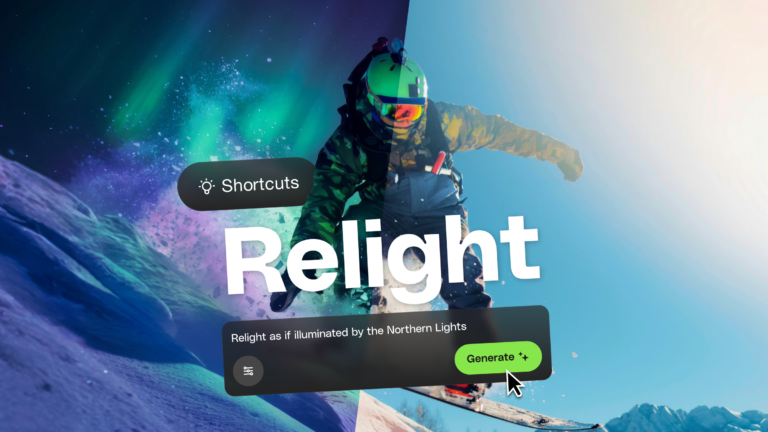
Learn how AI photo relighting works in Envato Shortcuts. Change lighting, mood, and shadows in seconds with guided AI workflows.

Discover how sonic branding AI tools help you create unique brand sounds, from audio logos to UI effects, and build a consistent, memorable sonic identity across platforms.