Oscars trends 2026: What this year’s best film nominees reveal about storytelling and craft

Ten nominees. A record-breaking vampire film. A Shakespearean grief story. A Safdie-directed table tennis spiral. Here's what the 2026 Best Picture slate tells us about where film culture, creative craft, and brand storytelling are all headed.

David Allegretti 14min read 23 Feb 2026
Oscars 2026 trends: What this year's best film nominees reveal about storytelling and craft

Ryan Coogler’s Sinners just broke the all-time Oscar nominations record with 16 nods. Chloé Zhao’s Hamnet, built around the death of Shakespeare’s son, won the Golden Globe for Best Drama. Guillermo del Toro spent a rumored $120 million of Netflix’s money turning Frankenstein into a gothic opera. And Timothée Chalamet got nominated for playing a table tennis prodigy in Josh Safdie’s Marty Supreme that A24 turned into its highest-grossing release ever.

The 2026 Best Picture lineup doesn’t look like one “type” of movie. It looks like ten very different bets that share a few common instincts, and those instincts are worth paying attention to, whether you make films, brand content, or anything in between. (For a wider look at how these currents map across design, video, music, and more, our Creative Trends 2026 series digs into the full picture.)

Here’s what this year’s Oscars trends tell us about where creative culture is actually headed.

The 2026 Best Picture nominees at a glance

The 10 Oscars 2026 nominees, in brief:

Sinners

Ryan Coogler’s 1930s-set vampire saga starring Michael B. Jordan in a dual role. 16 nominations — a new all-time record, beating Titanic, All About Eve, and La La Land. Horror, drama, myth, music, and $360 million at the global box office.

One Battle After Another

Paul Thomas Anderson’s seriocomic political thriller, with Leonardo DiCaprio leading a 13-nomination haul. Adult-audience filmmaking with edge and ambiguity.

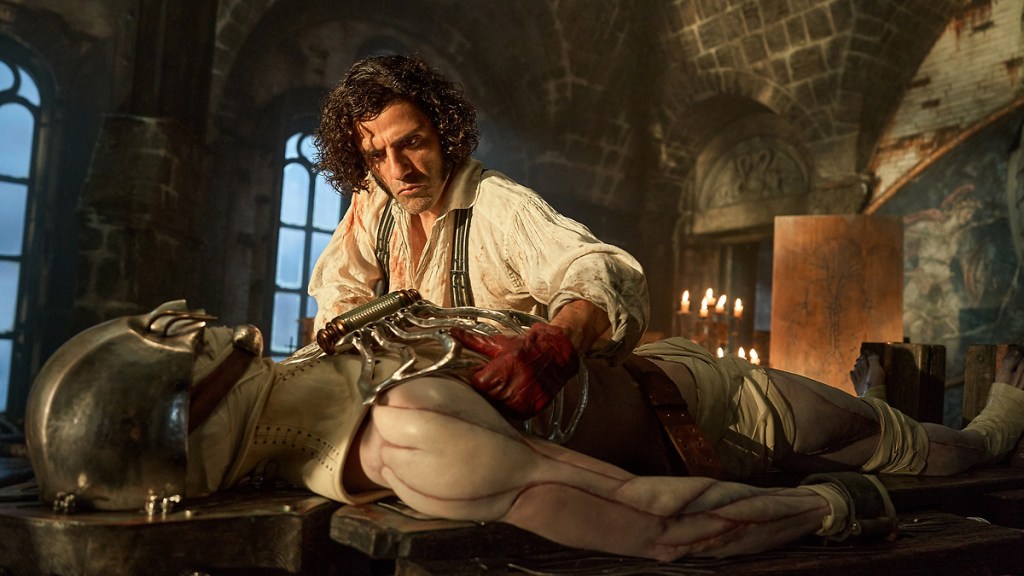
Frankenstein

Guillermo del Toro’s lifelong dream project, finally realized through Netflix. Nine nominations, including Best Picture and Best Supporting Actor for Jacob Elordi as the Creature. Gothic, operatic, handmade down to the frame.

Hamnet

Chloé Zhao adapts Maggie O’Farrell’s novel about Shakespeare’s family and the death of his son. Eight nominations, a Golden Globe win for Best Drama, and Jessie Buckley delivering what critics are calling one of the decade’s great performances.

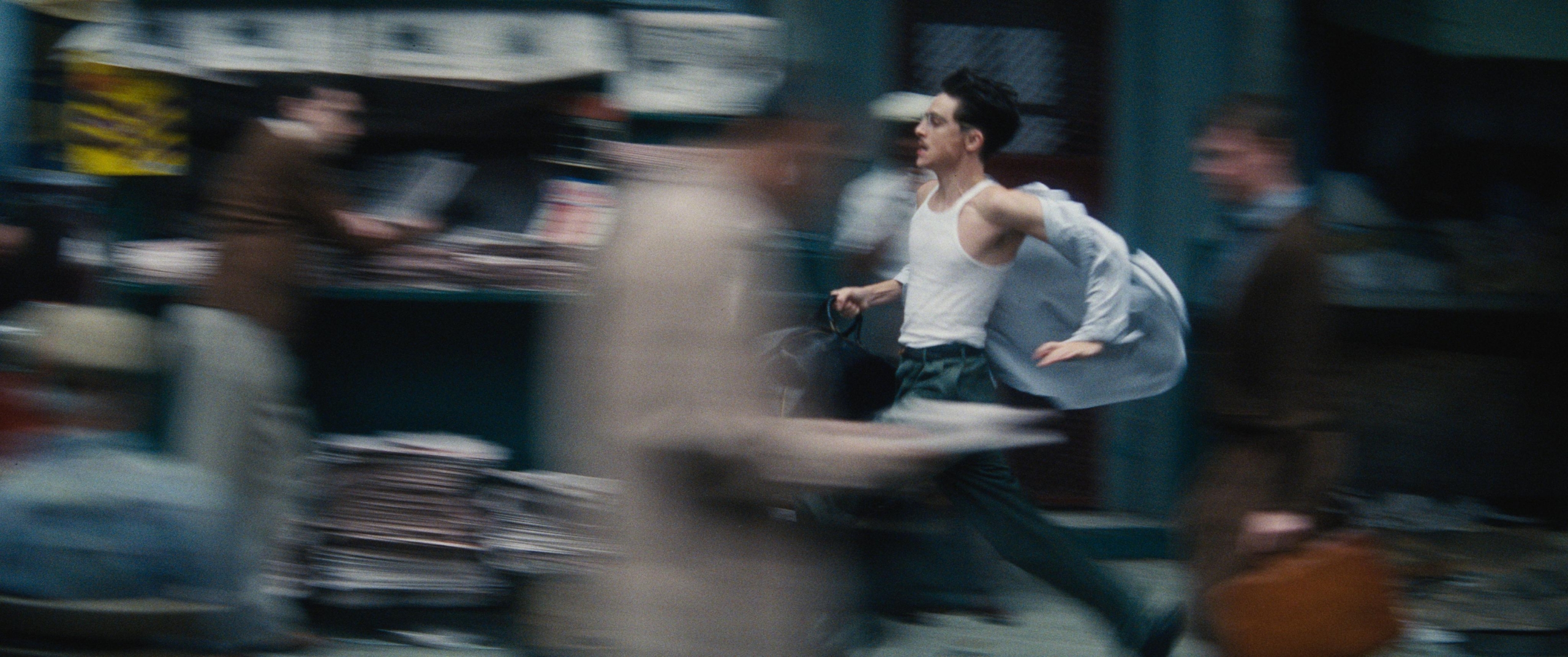
Marty Supreme

Josh Safdie directs Timothée Chalamet in a frenetic character study about obsession and table tennis in period New York. Nine nominations. A24’s commercial crown jewel.

Bugonia

Yorgos Lanthimos and Emma Stone reunite for a conspiracy-fueled arthouse provocation. Four nominations, including Best Picture and Best Actress. The festival-circuit wild card that doesn’t need to be “for everyone” to land.

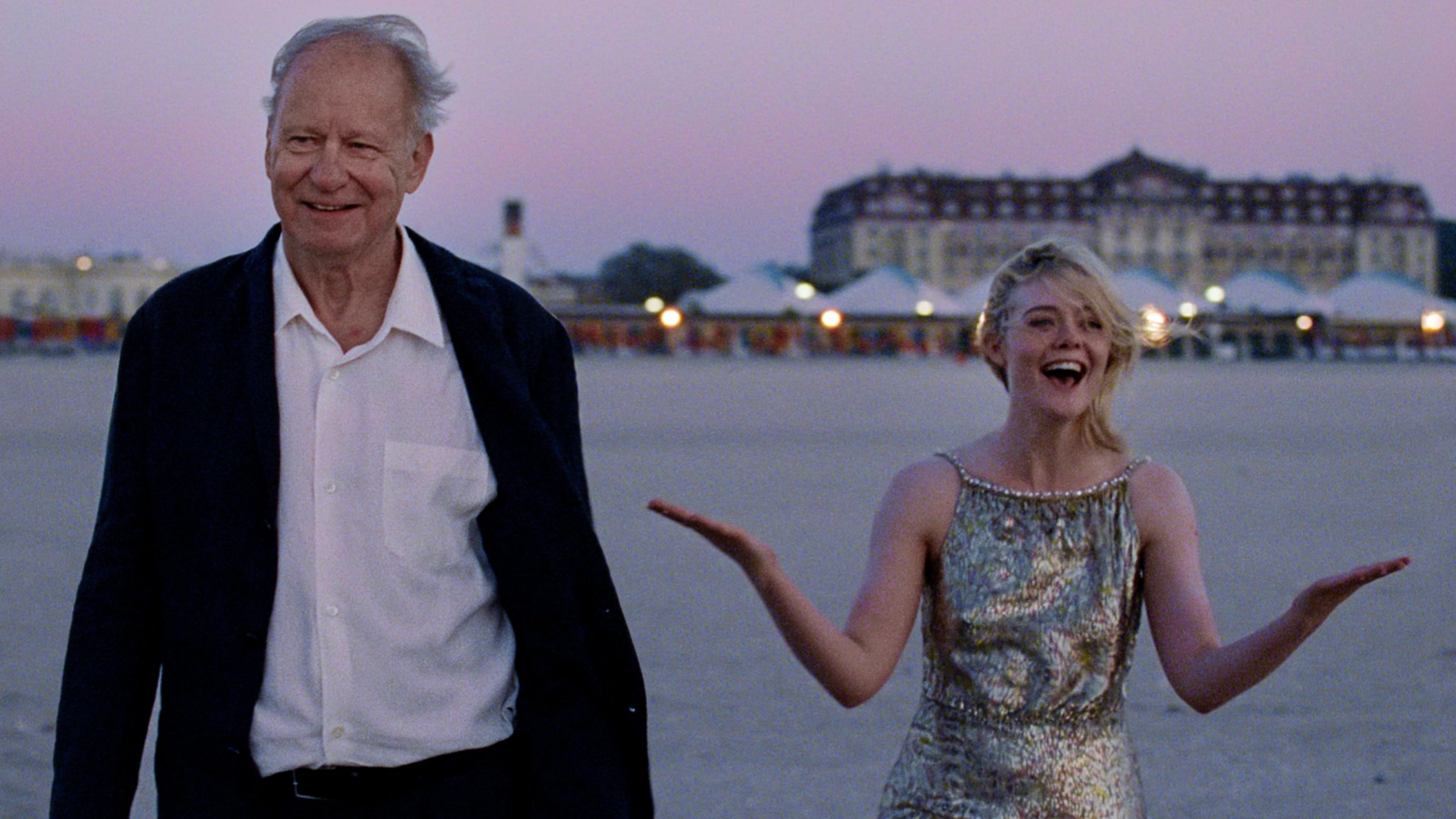
Sentimental Value

Joachim Trier’s Norwegian-language family drama. Nominations for Renate Reinsve, Stellan Skarsgård, Elle Fanning, and Inga Ibsdotter Lilleaas — four acting nods in a single subtitled film.

The Secret Agent

Kleber Mendonça Filho’s 1970s-set Brazilian political thriller starring Wagner Moura. Narratively knotty, internationally flavored, and a signal that the Academy’s geographic comfort zone keeps expanding.

Train Dreams

Clint Bentley adapts Denis Johnson’s novella about a logger in early-20th-century America. Quiet, lyrical, and nominated for Best Picture and Adapted Screenplay. Proof that interiority can still fill a theater.

F1

Joseph Kosinski’s motorsport spectacle with Brad Pitt. Nominated for editing, sound, and visual effects. The craft flex of the lineup — velocity as a filmmaking discipline.

Top 5 Academy Awards trends 2026

The nominees tell individual stories, but zoom out and the Oscars trends become hard to miss. Across all ten Best Picture contenders, five patterns keep surfacing — and they apply well beyond the film industry. Whether you’re a filmmaker, a brand storyteller, or a creator building content for any screen, these are the creative instincts the Academy is rewarding right now.

Trend 1: Literary adaptations are back (and taken seriously)

Inside the design of Hamnet: recreating Shakespeare's world | Wallpaper*
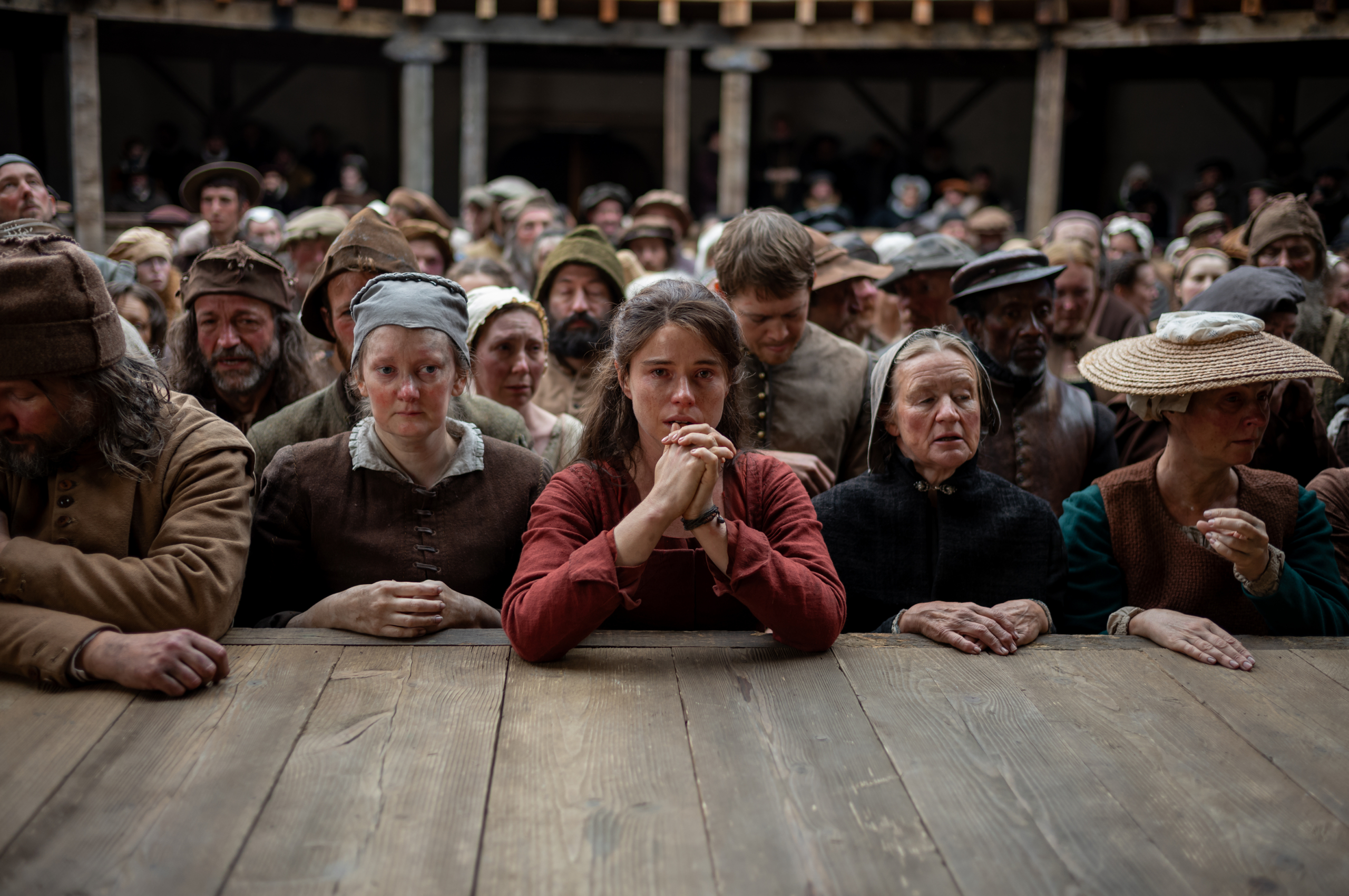
Image: Hamnet (Focus Features)

Of all the Oscars trends on this list, this one has the deepest roots. Three of the ten nominees are adapted from published fiction — Hamnet, Train Dreams, and Frankenstein — and a fourth, Bugonia, adapts a previous film (the 2003 South Korean sci-fi Save the Green Planet!). That’s a significant cluster, and the pattern inside it matters more than the count.

These aren’t plot-faithful translations. Chloé Zhao didn’t just dramatize Maggie O’Farrell’s novel — she and O’Farrell co-wrote a screenplay that restructures the narrative around Agnes’s inner life, building scenes around grief, intuition, and sensory memory rather than historical sequence. Del Toro spent nearly two decades developing Frankenstein because he wanted to adapt Mary Shelley’s actual novel, not rehash the cinematic versions. The result is something he’s described through a specifically Mexican Catholic lens: high passion, saints and monsters, moral grandeur. Train Dreams does something rarer still: it adapts a novella built on silence and interiority, and trusts the audience to sit inside that quiet.

The common thread across these adaptations isn’t a single method — del Toro pursued deep fidelity to Shelley’s novel, Zhao restructured O’Farrell’s story around sensory and emotional architecture, and Bentley translated a novella built on silence into something cinematic without breaking its quiet. What they share is commitment. Each filmmaker brought a personal, long-held relationship to their source material, and that shows on screen. 

The adaptations that earn prestige aren’t the ones that take the most liberties or the fewest; they’re the ones where the filmmaker’s connection to the material is so specific that the adaptation could only have come from them. And they arrive pre-loaded with a quality that studios and streamers love, built-in cultural credibility. A prestige adaptation signals taste without having to announce it.

The festival-to-awards pipeline plays a role, too. Hamnet premiered at Telluride. Frankenstein screened at Toronto and Busan. Critical momentum from early screenings now functions as its own marketing engine, one that rewards patience, specificity, and craft over saturation releases.

What creatives and marketers can take from this: If you’re adapting anything — an article, a podcast, a customer story, a research report — aim for a point of view, not a recap. What’s the emotional thesis? What does this material mean once you stop summarizing it and start interpreting it? The best adaptations add a layer of authorship that the original couldn’t contain. For a deeper look at how narrative-first approaches are reshaping commercial content, our 2026 advertising trends breakdown covers the rise of story-driven brand films.

Trend 2: Genre films with arthouse ambition

Official Trailer
Image: Sinners (Warner Bros. Pictures)

The single loudest signal from this year’s slate is how comfortably genre films sat inside the Best Picture conversation — and what it took to get them there.

Sinners is a vampire movie. It earned more nominations than Titanic. But it earned them because Ryan Coogler treated horror, music, mythology, and Jim Crow–era racial violence as inseparable parts of the same story, then backed every thematic layer with craft: Autumn Durald Arkapaw’s cinematography, Ruth E. Carter’s costuming, Ludwig Göransson’s score, and a production scale ($90–100 million budget, shot on location in Louisiana) that gave the world texture you can almost feel through the screen.

Frankenstein is a gothic fantasy, but del Toro builds it like an art object — every frame composed, every set designed to carry emotional weight, every practical effect chosen to feel physical rather than digital. Alexandre Desplat’s score underlines that intention: lyrical and operatic rather than frightening.

F1 is sports action, but Joseph Kosinski (who directed Top Gun: Maverick) earns its nominations through obsessive in-camera work, experiential sound design, and editing that prioritizes kinetic immersion over spectacle for its own sake.

The pattern is clear: genre earns prestige when it leads with craft and theme. The Academy didn’t suddenly start liking horror or action. It started recognizing films where the genre framework delivered big human ideas: grief, faith, desire, identity, historical trauma — with a physicality and confidence that “serious drama” sometimes lacks. Our filmmaking trends for 2026 piece charts this same shift across the wider industry, with horror and genre-bending leading the charge at every budget level.

What creatives and marketers can take from this: If you work in thriller, horror, action, or any genre-adjacent space, the worst thing you can do is sand off the edges to sound respectable. Put the artistry inside the genre: lighting, pacing, sound, production design, performance texture. That’s where prestige lives now. Genre is a delivery system for meaning — use it.

Trend 3: Directors over franchises

Marty Supreme (2025) - IMDb
Image: Marty Supreme (A24)

The five Best Director nominees are Ryan Coogler, Chloé Zhao, Josh Safdie, Paul Thomas Anderson, and Joachim Trier. That’s five filmmakers with extremely recognizable sensibilities, each steering their projects with visible intention.

Even when the underlying source material is familiar — Mary Shelley’s Frankenstein, Shakespeare’s family, a Formula 1 career — the selling point this year isn’t the intellectual property. It’s the filmmaker’s hand on it. Del Toro’s Frankenstein doesn’t land because audiences know the monster. It lands because del Toro spent a lifetime building a visual vocabulary that makes the familiar feel radical. Zhao’s Hamnet doesn’t depend on Shakespeare’s name recognition. It depends on Zhao’s ability to translate grief into images that make you feel like you can’t breathe.

This points to a broader shift. Franchise fatigue is reshaping the awards conversation. Sequels can still generate revenue (see: the $360 million Sinners earned despite being an original, R-rated horror film), but cultural conversation now gravitates toward films that feel like someone made a lot of choices—and didn’t ask permission for all of them.

Authorship also functions as a kind of marketing. A director’s established voice works like a brand promise: a guarantee of a particular flavor of taste, tone, and ambition. When Safdie directs, you know what kind of nervous energy you’re buying a ticket for. When PTA directs, you know the tonal register. The filmmaker is the trailer.

What creatives and marketers can take from this: Build a recognizable creative voice. If you’re producing campaigns, content series, or a brand channel, assign a single owner for tone, visual language, and pacing — and give them real authority. Cohesion reads as quality even before your audience can articulate why. Consistency of taste becomes a growth engine. If you’re looking for practical models of how strong creative voices translate into brand identity, our brand storytelling examples breakdown is a useful starting point.

Trend 4: Intimacy at every budget level

Official Trailer
Image: Sentimental Value (Neon)

The sneakier pattern across this slate: even the “big” films are emotionally close.

F1 may be loud, but its tension lives in the cockpit — character pressure in a confined space. Sinners operates at supernatural scale, but its power comes from two brothers in a room, the weight of what they owe each other, and dread that registers physically. One Battle After Another has a major ensemble and a $100M+ budget, but Anderson keeps pulling focus toward the personal and the particular.

On the smaller end, the intimacy is structural. Hamnet lives inside Agnes’s sensory world; the smell of herbs, the texture of fabric, the way grief changes the temperature of a room. Train Dreams builds an entire life from fragments and silence. Sentimental Value puts four actors in emotionally charged space and trusts that the performances will generate enough gravity to fill a frame.

Modern audiences aren’t choosing between “big” and “small.” They’re choosing specific. They want to feel like they’re inside a character’s experience, not observing it from a mezzanine. Scale is impressive; intimacy is sticky. Our video and motion design trends for 2026 piece tracks the same instinct across commercial content — authenticity through imperfection, first-person storytelling, and cinematic brand films that lean on character and emotion rather than polish.

What creatives and marketers can take from this: Even if you’re launching something massive, build the story around a human close-up; one user, one moment, one problem, one shift. You don’t need a bigger budget to create emotional proximity. You need a tighter focal point.

Trend 5: Tactile worlds and physical craft

PFF 2025: FRANKENSTEIN is yet Another Modern Monster Masterpiece from del  Toro - Cinapse
Image: Frankenstein (Netflix)

Across the nominees, one craft signal keeps surfacing: physicality. These films feel built.

Del Toro’s Frankenstein was designed to showcase practical effects, handmade sets, and tangible environments. Every surface has weight. Coogler shot Sinners on location in Louisiana, grounding a supernatural story in dust, wood, sweat, and live-instrument music. Ruth E. Carter’s costumes, Hannah Beachler’s production design, and Autumn Durald Arkapaw’s cinematography are nominated because they contribute to storytelling, not decoration. Zhao’s Hamnet re-creates 16th-century Stratford with an almost documentary sense of place; textures you want to touch, light that looks like it came through actual glass.

Even F1, the most digitally polished of the group, earns its craft nods through in-camera intensity and sound design that puts you physically inside a cockpit at 200 mph.

The through-line is a move away from the weightless and the sterile. After years of ultra-clean digital smoothness, audiences and the Academy are responding to work that has grain, shadow, imperfect motion, and physical consequence. Visual effects still matter — Sinners is nominated in VFX — but they land when they serve a world that already feels real.

What creatives and marketers can take from this: Texture is a shortcut to trust. Whether you’re producing a brand film, a product launch video, or a social campaign, real environments, real sound design, practical props, and intentional lighting communicate quality faster than resolution or polish. People can feel when something has weight. Give your work weight. And if you’re thinking about the audio dimension of that tactile quality, our piece on sonic branding explores how brands like Netflix and Intel use sound to build identity — the same principle these films apply through their scores and sound mixes.

What the 2026 Oscars tell us about where creative culture is going

If this slate is a compass, the needle points in a few clear directions.

Prestige is getting wider. The old hierarchy, where “important” meant historical biopic or capital-D Drama, is cracking. Horror can be prestige. Action can be prestige. A Norwegian family drama with four acting nominations is mainstream prestige. The gatekeeping is dissolving, and the replacement filter is craft.

Adult-audience filmmaking is evolving. It’s hybrid: political thriller with satirical edge, literary adaptation with visual boldness, character study with genre DNA. The “adult movie” didn’t die. It cross-pollinated.

Craft is the differentiator. In a world where anyone can produce something “good enough,” the films that break through feel made — by human beings with specific intentions and visible choices. That gap between competent and crafted will define creative competition for the next several years.

The strongest IP strategy is reinterpretation. Not “extend the universe.” More like: take something known, make it personal, and give it the weight of a creator’s entire worldview. Del Toro’s Frankenstein is the model. So is Zhao’s Hamnet.

What this means if you’re making things this year

You don’t need an Oscar campaign to act on these Oscars trends. You need clarity about what you’re making and why.

Adapt with opinion. If you’re turning an article into a video, a case study into a podcast, or a data set into a story — add a point of view. The asset becomes yours when your interpretation does something the original couldn’t.

Use genre as craft. Thriller structure increases retention. Horror pacing builds tension. Sports narratives create momentum. Use these frameworks with intention, not as surface-level dressing. If it’s only aesthetic, people will feel the gap.

Assign a creative director. One person steering tone, visual language, and pacing. Write a style guide. Protect it. Cohesion reads as quality, and quality compounds.

Scale down to scale up. Build campaigns around a single, specific human moment. The tighter the focal point, the wider the emotional reach.

Invest in physical detail. Better location audio. Real environments, even imperfect ones. Practical props over generic stock visuals. Intentional color grading. Small imperfections that signal reality. These are the cheapest upgrades with the highest return on audience trust. And if you want to explore how storytelling principles apply to design beyond film, that rabbit hole is worth falling into.

The 98th Academy Awards air on March 15, hosted by Conan O’Brien. Whether Sinners converts its record haul into a Best Picture win, whether Hamnet completes a Buckley coronation, or whether PTA pulls off an upset — the outcomes matter less than the patterns. The films that got here all earned it the same way: with craft, specificity, and a point of view that wouldn’t exist without the person behind the camera. That’s the trend worth betting on, whatever you’re making.

Oscars trends 2026 FAQs

Related Posts