.jpg?w=900&h=506&cf_fit=cover&q=85&format=auto&s=45eb8cf86e9cf8193770d98399bcc7ac13c4195560e9666dd8ee2f8230941051)



.jpg?w=900&h=506&cf_fit=cover&q=85&format=auto&s=c2b45bde48d4c7f3fab9768ff69c6d8106adb99ada6d3be0a5eb457bdc6529c6)



AI sound generator guide: How to create sound effects with AI
Discover how Envato's AI sound generator creates custom sound effects from text prompts so creators can skip library searches and edit faster.
Envato: Get every type of asset for any type of project, and access to AI tools. Start now
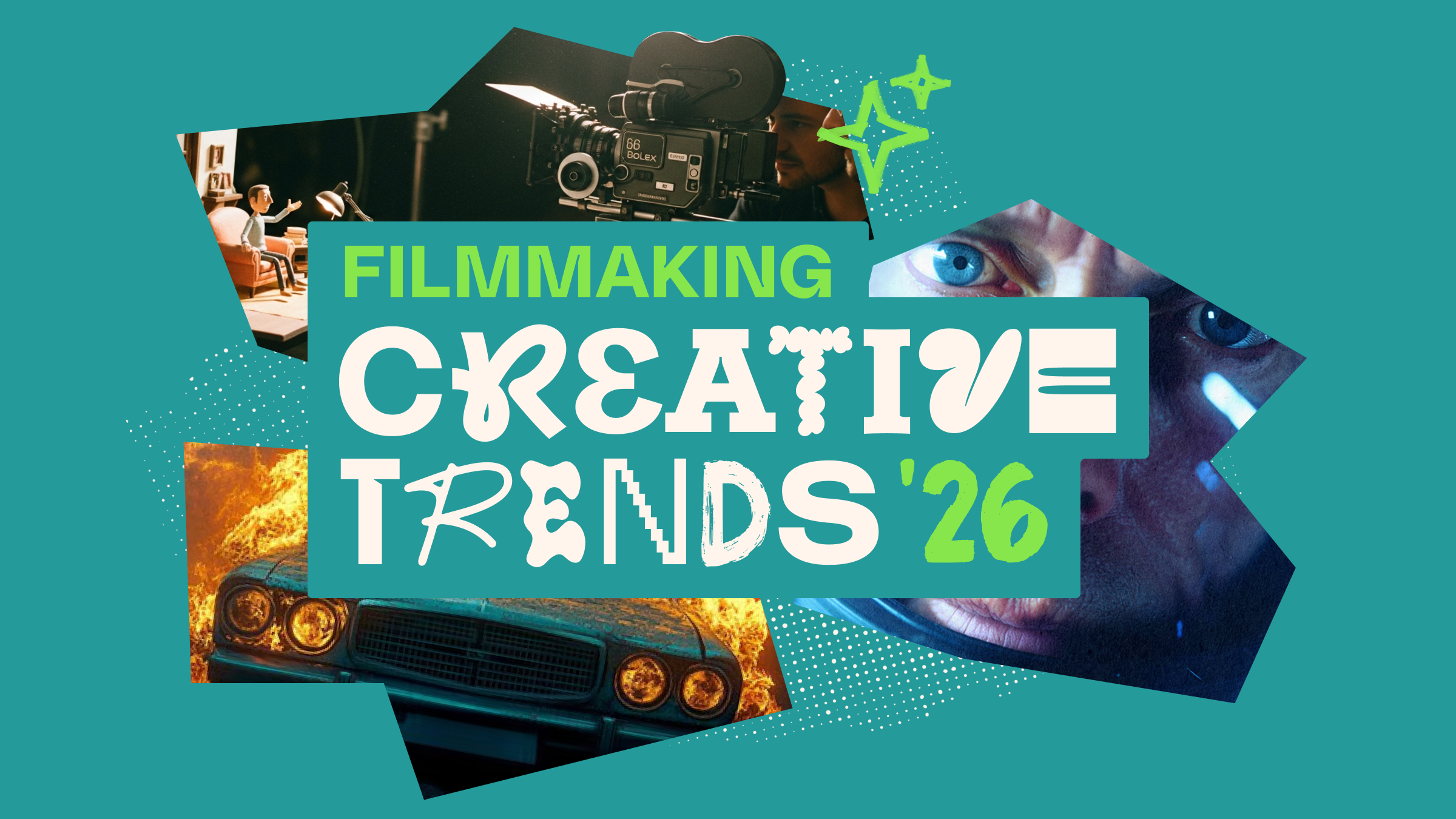
Filmmaking trends in 2026 seem to be being pulled in two directions at once. On one side, AI tools are reshaping production faster than anyone ever expected. On the other hand, audiences are increasingly demanding authenticity and creative transparency. The result is a year marked by unique genre mixes, international breakout films, and a push to revive physical media. Let’s explore the filmmaking trends that are shaping the way films are made, marketed, and watched in 2026.
AI continues to be both one of the most powerful and one of the most controversial trends in filmmaking. The real tension with AI in 2026 is how open creators are about using it. Some filmmakers, like the team behind The Heretic, now promote their work with clear labels such as “No Generative AI was used.”
On the other side of the spectrum, artists like Natasha Lyonne are launching AI-driven studios that rely on responsibly sourced data to generate films in an ethical manner. This year, expect to see transparency tags, visible disclaimers, consent-based data, and honest breakdowns of how AI supports the process. For most crews, AI is useful for previs, rough cuts, some VFX assistance, and early script exploration. It has evolved from a secret shortcut to a visible, credited tool that supports filmmaking instead of replacing it.
Horror is back at the top, outperforming traditional blockbusters with low budgets, high returns, and a global audience that cannot get enough. Filmmakers are leaning into foggy atmospheres, gothic revival moods, eerie silhouettes, and a new wave of zombies, vampires, and supernatural creatures. The look is dark, dramatic, and emotionally loaded, reflecting a broader shift in 2026’s evolving filmmaking trends.
The horror genre is thriving across theatrical releases, streaming originals, and international breakouts. Viewers want the thrill, the communal reactions, and the emotional release that horror delivers. With constant reinvention and lower budgets compared to most other genres, horror remains one of the most reliable and creatively flexible spaces in filmmaking.
Classic films are experiencing a major comeback in theaters, with many outperforming new releases. Movies like Jaws are proving that audiences crave the full cinematic experience more than the convenience of streaming at home. This resurgence is directly tied to the nostalgic filmmaking trends of 2026, where theatrical re-releases and analog-era aesthetics are driving renewed excitement for the big screen. The trend is driven by enhanced remasters, IMAX re-releases, anniversary events, and curated screenings that feel like communal celebrations rather than simple reruns, all reinforcing the profound influence of classic cinema on modern filmmaking trends.
What is driving this shift? Viewers are frustrated with the quality of modern films, rotating catalogs on streaming, and are craving nostalgia. Re-releases offer stability, authenticity, and a reminder of how powerful a great film can feel on the big screen.
Studios are leaning into audience insights in a way that feels more strategic than ever. Instead of guessing what viewers want, studios now tap into AI analysis, community chatter, and trend forecasting, tools that are increasingly shaping modern filmmaking trends. This doesn’t mean letting an algorithm write the script; it means using real audience behavior to inform creative decisions, from tone and pacing to casting and marketing strategy. As filmmaking trends evolve, this data-driven approach helps ensure that stories resonate with maximum emotional impact while remaining grounded in genuine human insight.
You will see this trend most clearly in trailers, poster design, and genre packaging, where data can reveal exactly which beats resonate and which visuals drive excitement among viewers. The result is a smarter, sharper approach to storytelling that blends creative instincts with real-world audience signals.
Physical formats are experiencing a real revival, and it is not just vinyl anymore. DVDs, VHS tapes, box sets, and vintage deluxe editions are resurfacing as audiences grow increasingly frustrated with the edits and the disappearance of titles on streaming services. People want ownership again, along with the nostalgia and tactile joy that comes with holding a film in your hands. Directors like Christopher Nolan and Guillermo del Toro are both strong advocates for owning physical media.
Physical media is becoming its own niche industry and one of the most interesting filmmaking trends. Retro retailers are expanding, and collectors are driving demand for high-quality releases that feel like art objects. Series like Criterion’s Closet Picks are also helping drive interest in premium physical media.
Filmmakers are leveraging surprise as a creative tool, reshaping audience expectations from the first trailer to the final act. It’s one of the most intriguing filmmaking trends of the moment, driven by audiences craving unpredictability in an era of formulaic storytelling. Recent examples demonstrate the power of this approach: Sinners begins as a quiet period drama before shifting into full-blown vampire horror, Fantastic Four blends retro-futuristic sci-fi with superhero storytelling, and Bugonia was marketed one way but transforms into something entirely unexpected once the film unfolds. This evolution reflects a broader shift in filmmaking trends, where deliberate genre misdirection keeps viewers guessing and keeps conversation alive long after the credits roll.
These genre shifts are not gimmicks. They are in response to an audience that craves risk and originality. Genre-bending reminds audiences that someone is crafting this story with intention. It creates a cinematic experience that feels less predictable and refuses to stay in a tidy set-in-stone category.
Global cinema is no longer a niche or a side category. It competes directly with Hollywood and, in many cases, outperforms it. The highest-grossing film of 2025 was Ne Zha 2, a Chinese animated feature that earned more than double the worldwide total of the next film on the list. In Japan, the new Demon Slayer film shattered records and became the highest-grossing movie in the country’s history.
This shift is reshaping the landscape of mainstream filmmaking and redefining global trends in filmmaking. Audiences are embracing foreign films with the same enthusiasm they bring to American blockbusters, and subtitled releases are performing better than ever. Dubs are improving, arriving faster, and reaching wider markets. At the same time, Western studios are increasingly drawing global actors, directors, editors, and VFX artists into their productions, a clear indication that international collaboration is becoming one of the most influential filmmaking trends shaping the future of cinema.
Gen Alpha is officially shaping what gets greenlit. Kids and pre-teens are turning family-friendly titles into full-blown box office phenomena, propelling Minecraft and Sonic into mega-hit territory and proving that youth-driven IP can be studio gold. Like it or not, even a Labubu movie is moving into development, and more Gen Alpha adaptations are right behind it. Are you ready for the Skibidi Toilet movie?
Gen Alpha grew up on YouTube, Roblox, and TikTok humor. And studios are taking notes. That influence is now increasingly infiltrating mainstream filmmaking.
Independent studios are no longer the underdogs. They are now driving some of the biggest cultural conversations in filmmaking. While major franchises struggle to hit their marks, indie studios like A24, Neon, and Annapurna continue to deliver originality and strong director-led storytelling that audiences are actively seeking out.
The shift is clear. When many blockbuster tentpoles underperform, indie films continue to expand their theatrical runs, earn global critical acclaim, and thrive in the festival-to-streaming pipeline. These titles embody the filmmaking trends audiences say they miss in mainstream cinema: personality, authorship, and creative risk-taking. As viewers increasingly gravitate toward emotionally specific, director-driven storytelling, indie cinema is becoming one of the most influential trends in filmmaking, shaping how stories are funded, marketed, and received.
Franchises are no longer enough to guarantee a hit. In 2026, audiences are showing up for the filmmaker, not just the franchise on the poster. Directors with strong creative identities are driving excitement, pushing studios to greenlight big-budget passion projects from names like Guillermo del Toro, Paul Thomas Anderson, Bong Joon-ho, and Ryan Coogler.
This shift is happening for a simple reason: viewers want films shaped by an artistic point of view, rather than an interchangeable studio formula. Even superhero films are feeling the pressure, which is why you see directors like James Gunn personally leading press tours to remind audiences that a human vision is behind the project.
The trend also appears in music. Hans Zimmer remains Hollywood’s most in-demand composer because he collaborates with auteurs who treat sound as an integral part of their storytelling identity. Think Christopher Nolan or Denis Villeneuve. Their collaborations reinforce the idea that the filmmaker is the brand. In 2026, directors are becoming the main audience draw.
You do not need a studio budget to experiment with the filmmaking trends shaping 2026. Start by embracing transparency in your workflow, especially when using AI. Whether you use AI to remove something small from a shot or to create full AI video sequences, letting viewers know how you work builds trust and keeps your creative voice front and center.
Hybrid workflows are becoming the norm. Utilize AI to expedite planning and technical tasks, then rely on human direction and instincts to inform mood, pacing, and story. This keeps your craft grounded in real authorship while benefiting from faster production.
Do not be afraid to mix genres or shift tones. Audiences are hungry for films that surprise them, which makes unexpected genre pivots a creative advantage. Also, try out any horror concepts or ideas you have, as horror films can typically have a lower cost but a higher impact on audiences. (And at the box office!) Utilize low-light setups, practical effects, and atmospheric lighting, all of which are accessible ways to add in mood and tension.
There are also more ways to find an audience than ever. Consider festival circuits, digital-first releases, or even just releasing a viral concept idea on YouTube. You can learn a lot by studying international filmmaking styles, too. Examine how global directors approach structure, pacing, color, and character development. This will push your work beyond traditional Hollywood rhythms. Above all, lean into your personal style. Distinct voices are winning, and viewers are craving originality more than ever.
Recent controversies and uneven AI practices pushed audiences to demand clarity about what is human-made and what is AI-generated. Studios are now labeling productions more openly, adding disclaimers, and embracing more ethical AI workflows. Viewers want honesty, and transparency helps protect artistic identity in a year where AI tools are everywhere.
Moviegoers are tired of streaming edits, disappearing movies, and Hollywood trying to remake movies that were already great. Re-releases offer nostalgia and a high-quality cinematic experience that simply feels better than watching at home. Enhanced remasters, IMAX reruns, and anniversary screenings give audiences a reason to return to theaters for films they already love.
Global cinema is now competing directly with Hollywood. International titles are proving that great stories travel and no longer have to be from an American studio. Expect even more international blockbusters in the years to come.
It refers to films that deliberately surprise, or subvert audiences (or even mislead them) with tonal or narrative pivots. These surprises keep audiences engaged and spark buzz and conversation about the movie, long after the end credits roll.
No. AI is becoming a powerful assistant for previs, editing, VFX exploration, and cleanup, but it is not replacing human creativity. Filmmaking still depends on emotional intelligence, creative intuition, and storytelling choices that machines cannot replicate. AI speeds up the work. Filmmakers still define the vision.
Horror delivers huge returns with relatively small budgets, but that is only part of the story. The genre constantly reinvents itself with new ideas, cultural fears, and creative risks. It also thrives in theaters because audiences love the communal energy of getting scared together!
Yes. Physical media has become a response to the frequent instability of digital media. Fans want ownership, quality permanence, and collectible value, especially when streaming versions may be altered, compressed, or removed entirely.
Indie studios are delivering what many franchises are not: originality, fresh aesthetics, and films shaped by real creative talent. While some blockbuster universes struggle, independent projects feel fresh and intentional. Expanded theatrical runs, festival success, and dedicated fan communities have pushed indies into the mainstream.
Kids and pre-teens are starting to shape what will become a global hit. Gen Alpha fandoms can turn niche IP into massive franchises. (and massive money.) Studios are responding with more “meme-aware” storytelling.
Discover how Envato's AI sound generator creates custom sound effects from text prompts so creators can skip library searches and edit faster.

We tested 9 AI image generators on identical artistic prompts (same style-transfer task, same day) to see which one actually paints like an artist.
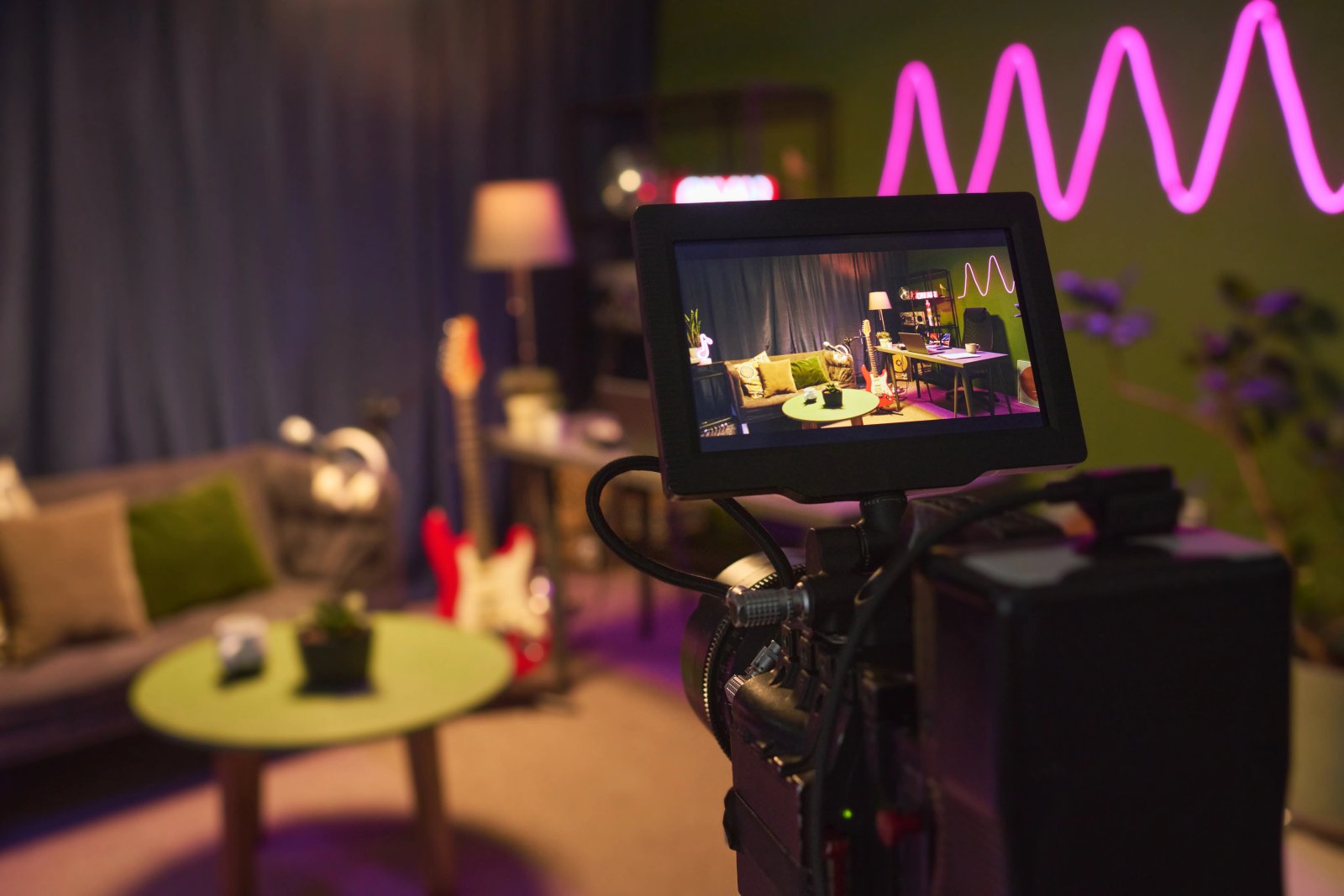
AI isn't making full movies yet; it's reshaping VFX, editing, and dubbing. Here's where it helps filmmakers today, and where it doesn't.
A practical, step-by-step guide to making a short AI film — from script and shot lists to character consistency, voice, sound, editing, cost, and legal rules.