50 best PowerPoint templates for 2026: education, business & more
Explore PowerPoint templates with professionally designed layouts to create polished, modern, and visually cohesive presentations.
Envato: Get every type of asset for any type of project, and access to AI tools. Start now
Your brand has a vibe — make sure it’s saying the right things. This guide will help you lock in brand characteristics that resonate with your audience.
Every brand is telling a story—even when it’s not trying to.
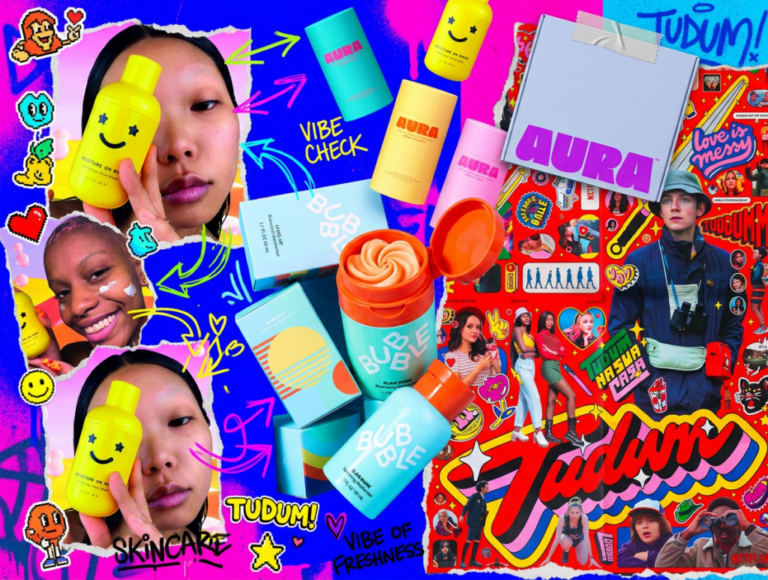
At the center of that story? Brand characteristics. They’re the traits people instantly associate with your business — like “bold,” “clever,” or “the one I’d grab a coffee with.” These subtle (but powerful) cues shape how customers feel and connect with a brand, and it’s essential to ensure that every brief you work on communicates the right brand characteristics.
Stick around as we unpack what brand characteristics are, how to define yours, and how the best brands turn personality into loyalty, with plenty of real-world examples.
According to Indeed.com:
“Brand character, or identity, is a set of human characteristics and attributes that define a brand and help it to be unique. It’s also a structural framework that defines the company’s vision, mission, product and service offerings, and brand architecture.”
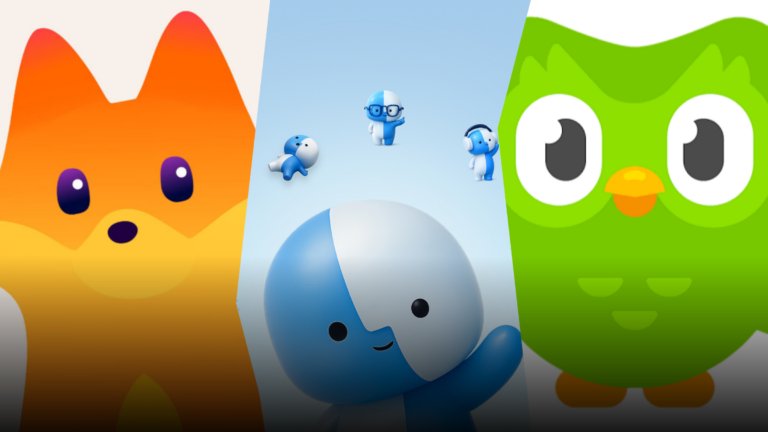
In simpler terms, brand characteristics are the traits that make your brand feel like a person. Just like people can be fun, dependable, or bold, so can a brand. These characteristics shape your brand personality and influence how it’s perceived in the market.
Here are some common positive characteristics of a brand:
On the flip side, brands can also pick up negative traits — like being seen as outdated or overpriced — often due to inconsistent messaging or poor customer experiences.
Want to build a brand personality that stands out and sticks? Here’s how:
Your brand promise is your core commitment to customers. It shapes the expectations they form. For example, FedEx’s brand promise — “Where now meets next” — emphasizes reliability and speed.
Talk to your customers. Use interviews, social media listening, and review analysis to understand what your audience truly values — creativity, sustainability, or humor.
Choose three to five adjectives that reflect how you want to be perceived. These are your brand attributes. Are you bold, friendly, minimalist, or adventurous?
Every interaction should reflect your brand’s traits — from your website copy and visual design to the tone of your customer service team. Consistency builds trust and recognition. As creatives, we should all be on board with the brand characteristics and reinforcing them in everything we create.
Let’s look at companies that have nailed their brand personality—and how they did it.
Apple is widely recognized for its innovative and sophisticated brand personality. Everything feels premium, clean, and cutting-edge, from product design to retail experiences and marketing. Its seamless user ecosystem and attention to detail have built a reputation for excellence and simplicity. Apple’s products are seen as high-performing and status symbols, reinforcing their brand identity.
Nike is a masterclass in bold, aspirational, and empowering branding. From its iconic “Just Do It” campaign to collaborations with influential athletes, Nike pushes messages of strength and perseverance. It also isn’t afraid to address social issues, which has helped it stand out as a brand with a voice. Nike’s brand characteristics resonate deeply, especially with younger audiences.
Airbnb’s brand personality centers around inclusivity, openness, and community. Rather than just offering a place to stay, it sells the idea of belonging anywhere. It focuses on connection, trust, and authentic experiences through visuals and messaging. This human-first approach helps Airbnb stand out in the travel industry.
Patagonia’s brand characteristics are grounded in purpose, authenticity, and ethics. The company champions environmental activism and anti-consumerism while encouraging people to buy less and buy better. Aligning actions with values, like donating profits to environmental causes, reinforces trust and loyalty. Patagonia has become more than a brand; it’s a movement.
Spotify is defined by personalization, accessibility, and innovation. Features like “Discover Weekly” and Spotify Wrapped deliver unique user experiences that feel tailored and fun. Its intuitive design and data-driven content recommendations make users feel seen and valued. As a result, Spotify enjoys high retention and strong brand loyalty.
A: Not quite. Brand values are your company’s guiding beliefs and mission. Brand characteristics are how those values show up in your brand’s personality — what your audience sees and feels.
A: Yes, a brand can absolutely change—but it’s not something that happens overnight. It takes a clear strategy, consistent messaging, and a lot of patience to shift how people see your brand. Every interaction — from what you say to how customers experience your product — must reflect that change. When done right, good branding strengthens your identity and builds trust, helping your brand grow in the long run.
A: Ideally, 3 to 5. This keeps your brand focused and clear. Too many can make your identity feel scattered and confusing.
A: Start by asking your audience. Use brand perception surveys, review feedback, and social media sentiment analysis to understand how people see and experience your brand. Even examining old branding trends can provide the inspiration you need for your brand’s characteristics..
Your brand characteristics shape how people perceive, interact with, and remember a brand. Whether you aim to be bold like Nike, trustworthy like FedEx, or inclusive like Airbnb, it all starts with defining your brand personality and communicating it consistently in everything you create.
Want to create a brand identity that connects and converts? Explore design kits and branding assets on Envato. And be sure to check out our articles on how to build a brand and the top branding trends of 2025.
Explore PowerPoint templates with professionally designed layouts to create polished, modern, and visually cohesive presentations.
Learn what font Nike uses, explore its typography evolution, and discover Nike font alternatives to create bold, minimal, high-impact designs for branding and campaigns.
Discover bold music video fonts for 2026, with top picks and bonus styles that help creators match sound, genre, and mood with striking visual identity.
Learn how to create an AI infographic design using GraphicsGen and Illustrator, from idea to reusable systems, with a step-by-step workflow for consistent, scalable visuals.