
Shattering the boys’ club—how We Are Shelance is rewriting rules for women in the creative industries

Women are done feeling second best in the creative industries—and it's time to change the game. Learn how Hollie Fraser and We Are Shelance are rewriting the rules, proving that when women lead, creativity thrives.

Ali Berg 9min read 28 Oct 2024
We Are Shelance

The creative industry has a woman problem. For all its talk about diversity and inclusion, the uncomfortable truth is that women are still fighting an uphill battle. We’re talking about an industry that prides itself on pushing boundaries and challenging norms yet struggles to shake off its Mad Men-era gender biases. It’s 2024, and women are still fighting for more than just a seat at the table—we’re fighting to redesign the whole boardroom.

Recent events show just how deeply rooted these issues still are. You might’ve seen the backlash against Campaign Brief’s The Work report, which, just two weeks ago, released a list of the top 30 creative directors—29 of whom were men, with only one woman making the cut. That this is still our reality in 2024 isn’t just disappointing—it’s a wake-up call that the fight for gender equality is far from over.

Women aren’t just advocating for equality anymore—we’re done playing by the old rules and, instead, we’re rewriting them. Platforms like We Are Shelance are leading the charge, challenging the status quo, and proving that when women take control, innovation flourishes.

Women’s impact on the creative industries

Women have been the unsung heroes of advertising and design for decades. We’ve crafted campaigns that have changed cultural narratives, written copy that’s entered the zeitgeist, and designed visuals that have defined generations. Just look at Mary Wells Lawrence, the first female CEO of a company listed on the New York Stock Exchange, who gave us iconic campaigns like “I ❤ NY.” Or Phyllis Robinson, the copywriter behind the groundbreaking “We Try Harder” campaign for Avis, which turned being second-best into a selling point.

Consider Susan Hoffman, who climbed the ranks at Wieden+Kennedy to become its chairwoman, leaving her mark on everything from Nike’s “Just Do It” to Old Spice’s “The Man Your Man Could Smell Like.” Let’s not forget Shirley Polykoff, the copywriter who coined “Does she… or doesn’t she?” for Clairol, forever changing how women talked about hair coloring. And in the digital age, we have trailblazers like Margaret Gould Stewart, whose work as a UX designer has shaped the interfaces of YouTube, Facebook, and Google. Or Jessica Walsh, whose art direction and design work has pushed boundaries and challenged norms across multiple platforms.

Yet, walk into many creative agencies’ boardrooms and see a striking lack of gender diversity. Despite the groundbreaking work of these women and countless others, the upper echelons of creative agencies remain stubbornly male-dominated. It’s high time we addressed this disparity and recognized that diversity in leadership isn’t just about fairness—it’s about unleashing the full potential of creative talent.

For women, especially those balancing careers with caregiving, the creative industry isn’t just challenging—it’s often inhospitable. Women are expected to be creative geniuses and office managers and somehow magically immune to the systemic biases permeating every industry level. It’s exhausting, frustrating, and frankly, bad for business. Because here’s the truth: diversity isn’t just a nice-to-have—it’s a necessity for innovation. And that’s where trailblazers like Hollie Fraser and We Are Shelance come in.

How We Are Shelance are redefining the creative game

We Are Shelance is Hollie Fraser’s brainchild. This isn’t just another job board or networking site—it’s a revolution wrapped in a sleek, user-friendly interface. We Are Shelance isn’t asking permission to play in the boys’ club. It’s building a whole new space and making it clear: Everyone’s welcome as long as they’re ready to embrace true equality.

When asked what inspired We Are Shelance, Hollie says: “I was constantly hearing from people in the industry that they couldn’t find much female creative talent. In one particular interview, a male ECD said he’d found it ‘really hard’ to find female Creative Directors for this role. That ignited a fire in me to create a space where no one could make that excuse anymore. I wanted to build a platform where women could be seen, booked, and paid and thrive within a supportive community. Equity and visibility are at the heart of it all.”

This platform isn’t just connecting talented women with jobs—it’s reshaping the entire landscape of creative work. It’s telling women: “You don’t need to conform to succeed. You can write your own rules, set your own hours, and still produce work that pushes the boundaries of creativity.”

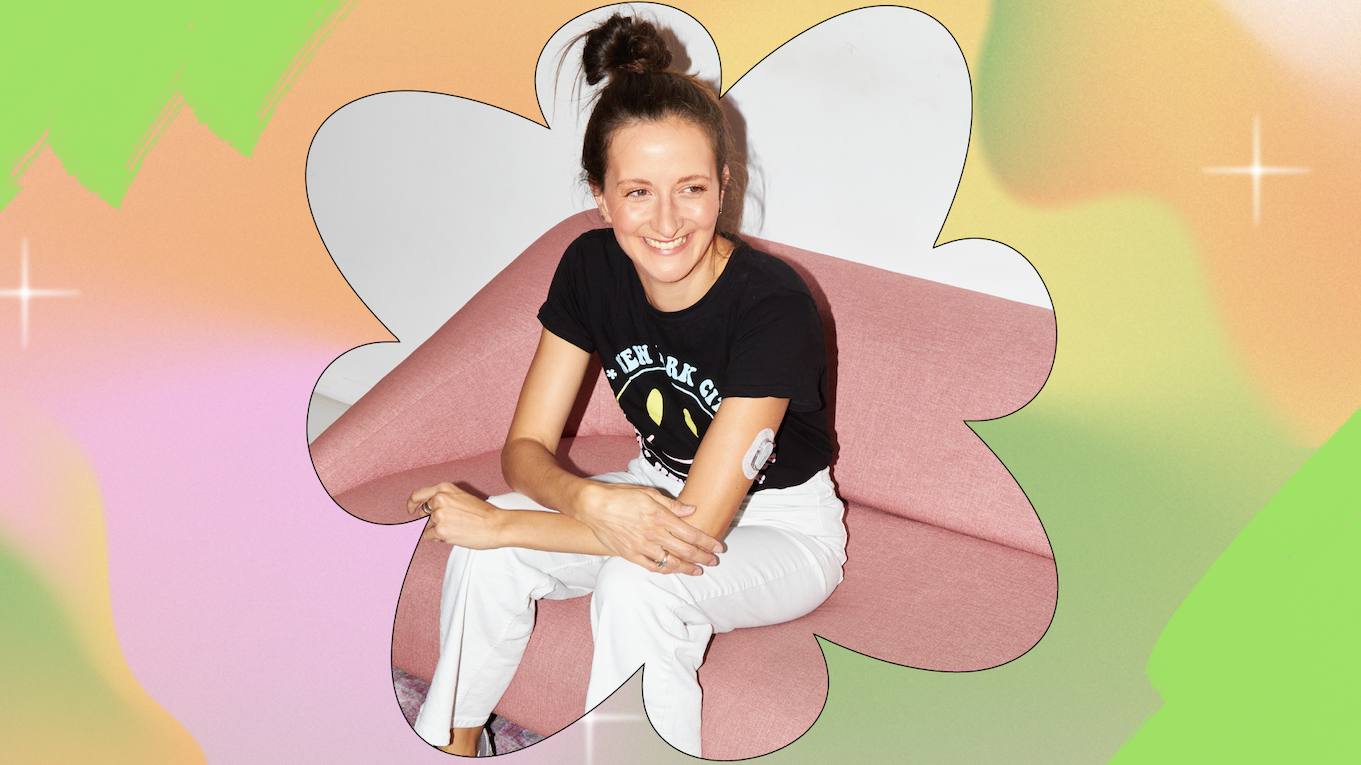
Meet Hollie Fraser, Founder of We Are Shelance

I sat down with Hollie Fraser, the founder of We Are Shelance, and quickly discovered that she isn’t just talking about change—she’s making it happen.

Hollie’s industry experiences profoundly shaped We Are Shelance’s mission. She shares, “Working in the industry, I saw firsthand how underrepresented women were, especially in the creative department and leadership roles. That gap drove me to create a platform where talented women could connect with opportunities without the limitations of traditional networks. My journey as a creative director and transitioning into freelancing showed me that freelance life can be hard but just as rewarding and prestigious as full-time work—something I want more women to experience.”

Her vision for the future of advertising is both a challenge and a beacon of hope. When asked how she sees women’s roles in the advertising industry evolving, Hollie says, “I believe we’re at a tipping point where women are demanding more—not just in terms of pay, but also flexibility, respect, and leadership opportunities. We’ll see more women breaking into leadership roles, creating their own paths, and rewriting the workplace’s rules. The conversation around equity will expand, leading to more inclusive and (hopefully) family-friendly workplaces, where caregiving responsibilities are no longer a career hindrance.”

Hollie’s approach to supporting parent creatives is revolutionary in its simplicity. She explains, “Shelance was born from my experience balancing motherhood and a career. We actively promote freelance work as a viable, empowering option for women who want more control over their schedules, and we provide resources for managing work and family challenges. Whether negotiating flexible contracts or connecting women with projects that fit their lifestyles, our mission is to make freelancing a sustainable, family-friendly career choice.”

The Shelance effect: Transforming careers and challenging norms

We Are Shelance isn’t just about grand visions but real, tangible success. Hollie shares one of her favorite success stories: “It’s hard to pick one, but one success story that stands out is when I brought together a team to help launch a skincare brand in Boots. I brought together two editors, two writers, and myself to handle everything remotely. It was amazing to see the collaboration and support within the Shelance community, and it again proves that a fully remote team can pull off a major launch seamlessly.”

Hollie offers this advice for women navigating the challenges of balancing work and life, especially as parents: “Boundaries are key. Set them early and be firm. I’ve learned to separate work from family time intentionally, even though it’s not always easy. Instead of sticking to a rigid schedule, I embrace the flexibility of freelance life, allowing me to adapt to work deadlines and my family’s needs. It’s a constant juggling act, but it’s rewarding. The traditional 9-to-5 doesn’t exist in my house; it’s more like 9-to-whenever! I make it work by leaning into what suits my family best, not following anyone else’s clock.”

The future is inclusive (and it’s about time!)

I think platforms like We Are Shelance aren’t just nice to have—they’re necessary. They’re a bold statement to an industry that’s been slow to deliver on promises of equality. They prove that remarkable things happen when women take control of their careers.

But this isn’t just about women supporting women—it’s about revolutionizing an industry in need of a fresh perspective. When asked how the industry can better accommodate women, particularly those with caregiving responsibilities, Hollie emphasizes, “Flexibility is essential. Whether that’s offering part-time roles, remote work, or project-based contracts, companies need to adapt to the realities of caregiving. There’s also a need for more comprehensive parental leave policies and childcare support, which can make it easier for women to re-enter the workforce after having children. But most importantly, there needs to be a cultural shift where caregiving is normalized and respected as a valid part of life, not an obstacle to success.”

So here’s my call to action, creative industry: Embrace this change. The future is diverse and flexible, and it’s coming for any outdated practices.

To the women reading this, especially those just starting in the creative industry, Hollie offers these practical tips: “First, build your network, find mentors and allies who can help guide and champion you. Don’t be afraid to put yourself out there and own your work. Second, be vocal about your worth, ask for what you deserve, and don’t settle for less. Lastly, always stay curious and keep learning. The creative industry is constantly evolving, and the more you stay ahead of the curve, the more opportunities will open up.”

For too long, the creative industry has treated women’s voices as background noise rather than the driving beat. We’ve been overlooked, sidelined, and had our ideas explained back to us rather than heard and considered. But make no mistake—this isn’t just about increasing the volume. It’s about changing the entire playlist. As we continue to challenge norms, break barriers, and redefine success on our terms, we’re not just claiming our space in the industry—we’re transforming it. The future of creativity is inclusive, and it’s bright as hell.

While you’re here, read up on some of our interviews with inspiring women in the creative industries—such as Jessica Walsh, Beci Orpin, Kirsty Campbell, and The Aunties.

Related Posts