Best graphic design software in 2026: 12 tools for every designer
Discover the best graphic design software for every workflow. Compare Photoshop, Illustrator, Figma, Blender, Canva, Affinity, and more to find your ideal tool.
Envato: Get every type of asset for any type of project, and access to AI tools. Start now
Why does everything old feel cool again? Let’s talk nostalgic design and why traditional graphic design is making a comeback.
Goodbye neon gradients and glitchy chaos — hello calm, cozy, and classic. Graphic design is hitting the reset button, bringing tradition back in style.
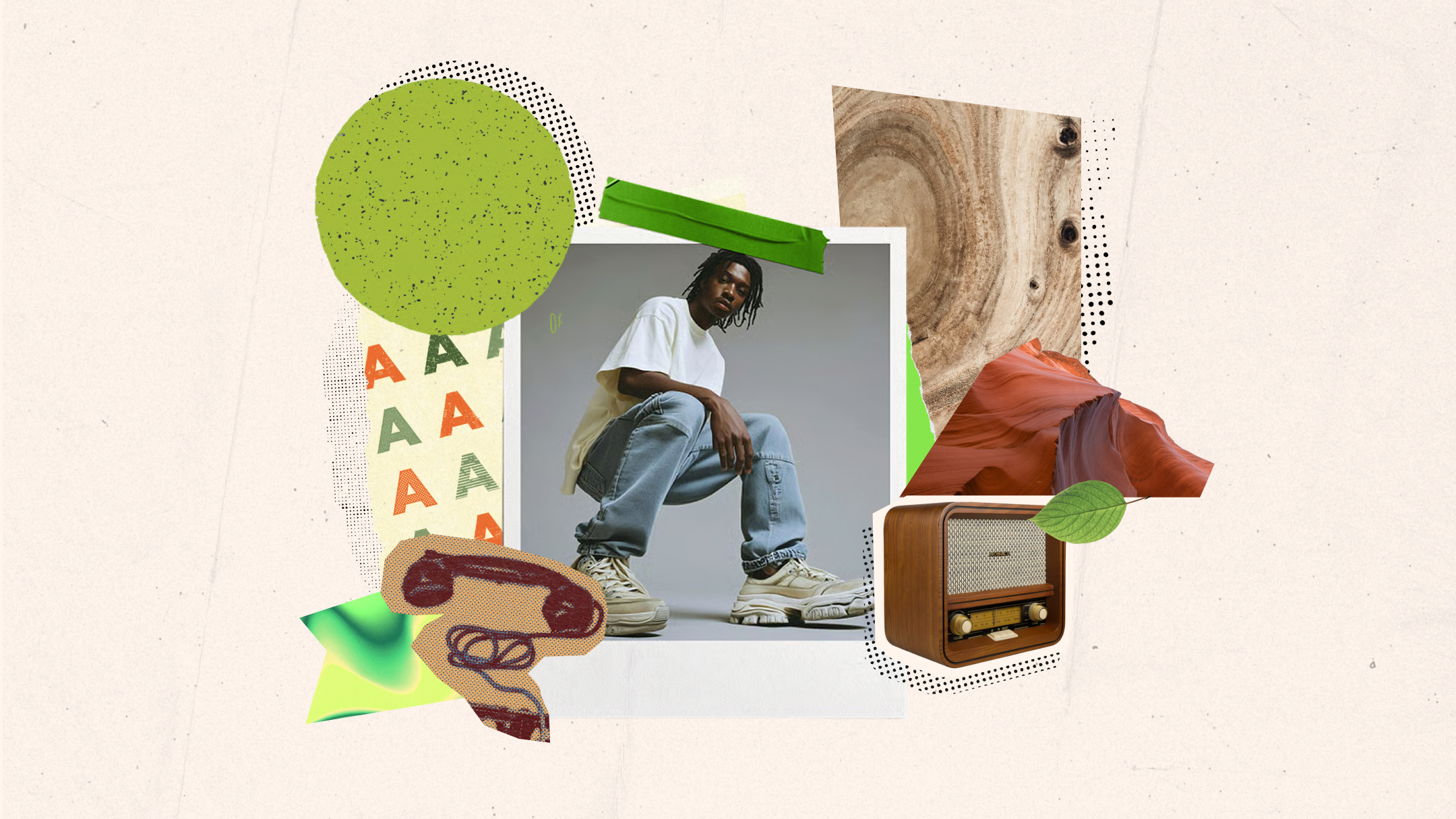
Designers are trading flashy for familiar from warm neutral color palettes to vintage-inspired layouts. Polaroid’s resurgence is a good example. This tactile memory-maker from a pre-digital era has been revived as an icon of analog charm, representing the beauty of imperfection, the spontaneity of real life, and the emotional power of instant physical media. Its soft vignettes, off-white borders, and warm, faded tones echo a longing for authenticity and the past’s slower, more intentional pace.
But this isn’t about nostalgia for nostalgia’s sake — it’s about finding comfort and connection in a world that feels anything but predictable. In the swirl of constant change, today’s nostalgic design trends lean toward heritage, warmth, and a sense of stability.
Using the nostalgia design trend creates an emotional connection by evoking familiar memories, helping your work stand out and resonate deeply with audiences. It taps into cultural relevance, adds personality, and allows for creative storytelling that feels comforting and distinctive. Read on to learn how you can jump on board with this trend using assets from Envato and its stack of AI tools.
The nostalgic design trend is gaining momentum across design, fashion, and visual arts. It takes inspiration from the visual styles of past decades, particularly the typography, color schemes, and layouts popular from the 1950s to the early 2000s. By merging these retro elements with contemporary design approaches, it creates a sense of comfort, familiarity, and emotional connection. This blend of old and new appeals to audiences by evoking memories and a longing for the “good old days.”
This resurgence of traditional aesthetics is born from the uncertainty of the post-pandemic times we live in, where the climate crisis, political polarisation, and the rolling back of accepted human rights practices have generated a high level of anxiety globally. This in turn has led to a rejection of the hyper-modern, tech-driven visuals and a new desire for authenticity and storytelling, as well as nostalgia for the familiar and comforting.

Try this prompt in ImageGen:
Illustration in a neutral brown color palette with woman surrounded by flowers.
So what does the nostalgic design look like? Here are five characteristics to look out for in your feeds.
Designers are using neutral color palettes with muted earthy tones, such as beiges, taupes, soft grays, and sepia tones, to evoke calm, simplicity, and timelessness.
This trend is about blending traditional graphic design principles — grids, ornamentation, symmetry, and plenty of white space — with modern tools. Go for design choices that feel solid, conservative, or “safe”.
Use serif fonts, slab serifs, typewriter fonts from the 1950s–70s, and Gothic blackletter and hand-drawn or script styles designed to mimic older print materials. With these typographic choices, you can quickly establish credibility, heritage, and a sense of rootedness and connection to history.
Neutral palettes often mimic natural materials like stone, sand, and clay. These materials and textures are perfect for brands aligning with eco-consciousness and sustainability messaging. Analog textures like grain, noise, and distortion are also part of the aesthetic.
Think heraldry combined with cassette tapes. Or how about traditional florals paired with vinyl records and rotary phones? Designers are reimagining or reinterpreting conventional motifs from different cultures and eras and combining elements from various decades to create something novel.
Want to know which brands embody the nostalgic design trend in graphic design? Here are a few examples:
Though nostalgic design has recently evolved and surged in popularity, it is not new. In fact, designers have always drawn from the past, and nostalgia cycles tend to follow a 20–30-year pattern, with people often becoming nostalgic for the aesthetics of their childhood or youth during turbulent times. Here’s a historical overview that traces the roots and key developments of nostalgic design:
The Victorian Era (1837–1901) saw the revival of Gothic, Rococo, and Classical styles in architecture and interiors. The trend reflected a longing for perceived grandeur and stability from earlier eras, while the Arts and Crafts Movement (1880–1920) celebrated medieval craftsmanship and simpler times. It used traditional materials and handmade aesthetics as a reaction against industrialization.
While futuristic for their time, Art Deco & Streamline Moderne often referenced ancient Egypt or classical motifs, blending old and new. And after the trauma of war, Post-WWII Design (1940s–1950s) saw many Western countries embrace traditional, suburban aesthetics such as Americana, emphasizing safety and familiarity.
The 1960s–1970s were characterised by nostalgia in media and graphics, with films like American Graffiti (1973) and TV shows like Happy Days reflecting 1950s nostalgia. Psychedelic design of the 1970s often borrowed from Art Nouveau and Victorian typography, and the 1970s also saw a revival of Art Deco and 1930s styles. The Postmodernism era of the 1970s–1990s saw designers like Michael Graves and the Memphis Group use irony and pastiche, referencing historical styles playfully or with exaggeration.
Among the iconic design trends of the ’90s were grunge and the influence of emerging web technology. Nostalgic design in this era took the form of lo-fi aesthetics: vinyl records, analog textures, and vintage advertising styles. This was followed by the Y2K aesthetic and early internet design, where designers began referencing early digital interfaces, pixel art, and “futuristic” styles from the 1980s and 1990s, often ironically.
This brings us to Millennial and Gen Z revivalism, in which vinyl, Polaroids, VHS textures, and early web design aesthetics (GeoCities, MS Paint) have been revived in everything from fashion to app design. Serif fonts, retro color palettes, and skeuomorphic UI elements are often used to evoke familiarity.
Q: Is the nostalgic trend political?
A: The nostalgic design trend is not inherently political, but can become political depending on the context and the referenced era.
Q: How does nostalgic design differ from vintage or retro design?
A: Nostalgic design evokes personal or collective emotional memories, often blending elements from various eras. Vintage or retro design strictly replicates styles from a specific period, focusing more on aesthetic accuracy than emotional resonance.
Q: Can nostalgic design work for modern brands?
A: When used thoughtfully, nostalgic design can work very well for modern brands. It adds emotional depth and cultural relevance, helping brands stand out while still feeling familiar, especially when blended with contemporary elements to create a fresh, engaging contrast.
Q: How does nostalgic branding impact consumer behavior?
A: Nostalgic branding impacts consumer behavior by creating emotional connections that evoke comfort, trust, and familiarity. This makes people more likely to engage with and remain loyal to a brand. It can also drive impulse purchases by tapping into personal or shared memories that trigger positive feelings.
Q: How can AI tools help me explore nostalgic design?
A: AI tools can analyze past design trends, generate mood boards, and recreate vintage aesthetics tailored to your vision. They can also personalize nostalgic elements based on your cultural or emotional cues.
The return to tradition in graphic design is more than nostalgia — it’s a meaningful antidote to digital minimalism. By bringing in retro aesthetics, tactile texture, and craftsmanship, designers create work that feels distinctive, personal, and timeless.
Graphic design’s shift toward nostalgic design with its neutral palettes, heritage, and stability directly responds to a fast-changing, often unstable world. It reflects a desire for calm, authenticity, and permanence in aesthetics and brand storytelling.
If you need high-quality resources to incorporate nostalgic design into your projects, check out this collection of terrific creative assets from Envato or this stack of AI tools.
Learn more about the hottest trends in AI, explore the complete guide to creative AI art prompts, and discover how to use Envato’s AI features in your creative work.
Discover the best graphic design software for every workflow. Compare Photoshop, Illustrator, Figma, Blender, Canva, Affinity, and more to find your ideal tool.
Learn how to edit with AI on Envato stock photos, customizing images instantly by removing objects, changing backgrounds, and creating polished visuals without leaving the platform.
Explore the tennis aesthetic trend for 2026, from preppy style and color palettes to branding and design ideas inspired by tennis culture, fashion, and modern creative projects.
Fourteen World Cup shirts that still matter, from Brazil 1954 to Cameroon's banned vest. The design thinking behind the kits that lasted, and what they all have in common.