

Movie typography in 2026: why does it suddenly look so good?
Explore movie typography trends shaping 2026, from bold film fonts to cinematic branding, with inspiring examples and practical tips for creating impactful, screen-ready typography.
Envato: Get every type of asset for any type of project, and access to AI tools. Start now
Useful copy has proven to be one of the most effective and low-cost marketing strategies. Done right, these will help you reach your target audience and increase customer loyalty.
Businesses of every size often need to capture their audience’s attention through engaging copy across various channels. Whether you’re a small business owner, creative freelancer, or marketer, developing copywriting skills is crucial to engage your audience effectively. The problem is that there’s no one-size-fits-all approach to writing compelling marketing copy. What may have worked for a social media post may not have the same impact if you repurpose that content for a paid ad.
So, what’s the secret ingredient for crafting excellent copy, regardless of platform and objective? Let’s cover the best ways to create engaging copy for your brand or business, even if you don’t have a dedicated marketing team.
First, writing copy is about conveying your message to the right audience quickly and effectively. The message should educate or entertain prospective customers or help them accomplish something. Even more importantly, your copy has to be an integral part of your brand’s personality and reflect its core values.
As consumers, we have noticed brands with outstanding products or services that, for some reason, don’t succeed in persuading customers. Why is that? Well, it’s as simple as that: any brand identity is only as strong as its branding copy. It’s what lies at the heart of effective and consistent branding.
The whole purpose of crafting compelling copy is to make your brand memorable. But, above all, your copy serves as the starting point for readers to take a specific action, whether reading a Mailchimp review on your blog or subscribing to an upcoming webinar on how to master time management. And there’s more to it than that, so let’s check what high-quality copywriting brings to the table:
The market is a crowded place, regardless of the industry you’re in. Therefore, differentiating yourself from your competitors is critical. Sharp and to-the-point copy is your most trusted ally in showcasing how your products or services outperform competitive ones, encouraging them to pick you over other brands in your niche.
Did you know that 64% of consumers cited shared values as the main reasons for brand loyalty? That’s why your copy should reflect your unique brand voice and highlight your values. An authentic brand voice makes your business relatable and adds a human touch to your digital marketing communications. This way, your prospects are part of a community with which they are more likely to interact.
Crafting unique copy humanizes your business and helps you connect with prospective customers on a deeper level. They can familiarize themselves with your brand voice and recognize it among thousands of others. When people are familiar with your business, putting their trust in it gets all that easier. Let’s not forget that trust is at the core of customer loyalty.

Nowadays, customers long for omnichannel brand experiences. They will likely receive your newsletters, follow you on social media, and visit your blog – great copywriting results in customers noticing your brand regardless of their preferred marketing channel. But even if they switch to a different medium at any time, your copy will provide them with a consistent experience across touchpoints.
People who claim being a copywriter is easy have probably never dived into the art of copywriting – or they’re doing it wrong. While it can be intimidating, you can quickly get the hang of it through specific strategies. Here are some essential tips to craft compelling copy that convinces readers to take action.
There’s no point in investing in any form of content marketing before establishing who your target audience is. A clear understanding of your audience’s demographics, likes and dislikes, and behaviors is the first step to engaging them with your copy. You should write with your target audience in mind and consider every aspect of who they are and what they need. So, collect as much information as possible before getting your creative juices flowing.
For instance, if you market a PR tool for public relations, you’ll have to focus on communications and media professionals, journalists, brand influencers, etc. Moreover, you should know their specific objectives and limitations to tailor your copy to their business needs. Knowing your audience will get you so far, though. Most brands fall into the trap of centering their copy around their company and products. Instead, they should write in a customer-centric way that directly addresses their readers’ needs.
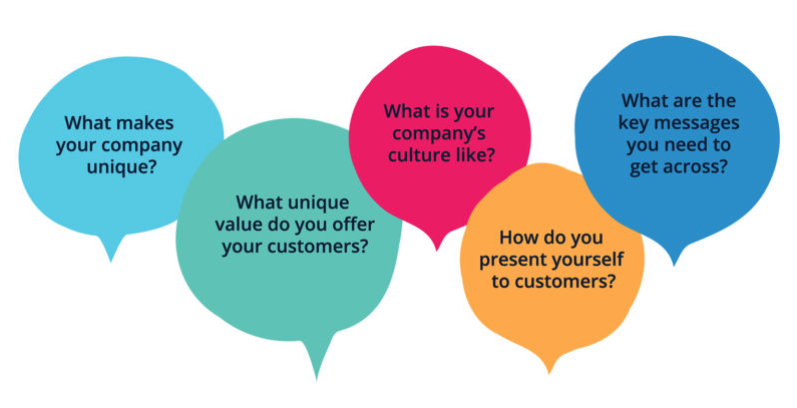
As already mentioned, your target audience directly affects the language you use in your copywriting. But you also need to have a recognizable voice readers can relate to. Your tone of voice should reflect your brand’s culture and values, and every piece of copy you craft should, in turn, adhere to your unique voice. Do you want to sound serious and professional or funny and conversational? Does your audience prefer friendly or formal?

Create tone-of-voice guidelines so anyone involved in content creation can refer to them. A clear outline for how your copywriting should sound enables you to create consistent copy across platforms. What about refining your tone of voice? Before anything else, ensure your copy is free of grammar and spelling errors. Also, even with consistency standards in mind, consider slightly tweaking your tone of voice depending on the occasion and touchpoint. After all, no marketing promotion is the same as the other, right? But let’s see exactly how this works.
Different digital marketing channels require distinct language styles regardless of your chosen brand voice. Let’s check which copywriting tips to follow to target your readers effectively.
Every savvy marketer knows that outstanding copywriting in email marketing starts from the subject line – 47% of recipients open emails based on the subject line alone. Your email subject line should be short, straightforward, and catchy. And since it serves as your email’s first impression, ensure it is aligned with the content. Trust us when we say subscribers will probably mark your email as spam if the email copy isn’t relevant to the subject line.

Speaking of spam, stay away from spam-triggering words in your email subject line and copy. Words like “money,” “click here,” “ no cost,” or “free now” are red flags for email clients and recipients equally and will harm your sender’s reputation.
Most subscribers hate receiving overly promotional email material. Instead, they look forward to reading emails with valuable content from industry experts. This doesn’t mean you shouldn’t include details about upcoming promotions or exclusive offers as long as you mention what’s in it for them.
This brings us to another crucial element of your email: your call to action. Always have a prominent, actionable, and attention-grabbing email CTA that’s also specific enough for readers to know what you expect from them. Always craft your email copy to give readers a gentle nudge to click on your CTA. After all, it will drive sales and increase your conversion rates.
In the digital era, any company not on social media essentially doesn’t exist. With the plurality of content on social media platforms, standing out from the crowd is challenging. You need to invest in compelling content and attention-grabbing captions to catch your users’ eye. So, it’s time to list the key elements of creating engaging social media captions:
The typical visitor searches your website to find information about your company, its products, or services. That’s why web copy should be scannable. Every business website has to feature informative content, letting users know what your brand offers.
Also, it’s imperative to leverage persuasive and actionable language since, unfortunately, all you have to catch a visitor’s attention is approximately 54 seconds.
As with social media captions, crucial information comes first. Lead with the essential data and make them prominent to ensure no user misses your key points, regardless of their attention span. Using short paragraphs and bullet points that emphasize the value of your offer is equally important to keep visitors from leaving. Avoid jargon and remove any type of unnecessary information to facilitate readers to focus on your message.
Again, your call to action is one of the most critical website elements. Leverage actionable language, bold colors, and straightforward wording so users can understand what you want them to do next. Also, leverage the FOMO effect or stir up curiosity in your CTA to increase the chances of readers acting on your message. And whatever you do, perform A/B tests regularly on different elements of your web pages, especially high-value ones like your landing pages.
Marketers who test key components of their landing pages, such as headlines or CTAs, are more likely to optimize them based on the results.
We have established the most effective tactics for crafting engaging copy across crucial marketing channels. Now, it’s time to get into the nitty gritty of copywriting. So, what do you need to consider when writing any marketing copy?
Sharply written, useful copy has proven to be one of the most effective and low-cost marketing strategies. Done right, these will help you reach your target audience and increase customer loyalty.
First, invest in a unique tone of voice that readers can relate to and boost brand recognition. Always consider your audience to match your copywriting to the people you write for and their needs and interests.
It’s vital to remember that each marketing channel has unique requirements, and you must tailor your copy to them. The devil is in the details, so ensure your marketing copy complies with the copywriting standards you’ve set to amaze your readers with your high-quality copy and memorable marketing campaigns. Happy writing!
Explore movie typography trends shaping 2026, from bold film fonts to cinematic branding, with inspiring examples and practical tips for creating impactful, screen-ready typography.
Explore the bold botanical design trend shaping 2026, from lush patterns and floral design to branding, interiors, and nature-inspired creative projects rooted in biophilic aesthetics.
Learn what font Disney uses, why it’s not downloadable, and discover Disney-style font alternatives to recreate that iconic, playful branding style in your own designs.
Explore PowerPoint templates with professionally designed layouts to create polished, modern, and visually cohesive presentations.