AI sound generator guide: How to create sound effects with AI
Discover how Envato's AI sound generator creates custom sound effects from text prompts so creators can skip library searches and edit faster.
Envato: Get every type of asset for any type of project, and access to AI tools. Start now

You publish a video, walk away, and come back to a yellow dollar sign next to it… or worse, a strike warning that puts your whole channel at risk. Meanwhile, a huge channel is using the same trending song with no consequences. The enforcement feels random, and the rules seem to change depending on who’s looking.
Here’s the short version: you can use Envato music without copyright strikes on YouTube and everywhere else, because every download includes a full commercial license by default. A valid license is the only thing that reliably protects you. Not credit. Not a disclaimer. Not keeping a clip under 30 seconds.
This guide will cover platform by platform (YouTube, TikTok, Reels, Twitch, and podcasts), plus the myths that get creatives flagged, and exactly how to source and prove your music is licensed.
You avoid copyright strikes by using music you have a valid license for, or that’s in the public domain. Safe routes: licensed creator-music libraries, the YouTube Audio Library, verified Creative Commons or public-domain tracks, and original or AI-generated music. Crediting the artist or writing “no copyright intended” does not grant a license.
If you’re searching for how to use royalty-free music without copyright strikes, the answer is the same across platforms: a valid license, not a workaround.
Safe routes, ranked by how little they ask of you:
One thing worth internalizing before anything else: a claim is not a strike. Most music flags are automated Content ID claims, and with a valid license, they’re resolvable. Strikes are a different, more serious thing, and they usually come from doing nothing about a problem, not from getting flagged in the first place.
Envato handles this cleanly for creatives who don’t want to think about it: a full commercial license with every download, plus Claim Clear to simplify or prevent YouTube claims.
This is built for the people whose work is most exposed to claims: YouTubers, short-form and social video creators, video editors, and freelancers or agencies delivering client work. If your content is monetized or commercial, a single poor music choice can cost you revenue or a client relationship.
It’s also useful if you’re a podcaster, a Twitch streamer, or running a small studio, trying to consolidate where your music comes from. The principles are the same even when the platform mechanics differ.
It’s less relevant if you’re uploading raw music tracks as standalone audio, or if you need a from-scratch explanation of what copyright actually is. This is practical, workflow-level guidance for people who already know their craft and just want to stop second-guessing their soundtrack.
Most music flags come from one system: Content ID. YouTube automatically scans every upload against a database of audio and visual files submitted by copyright owners. When your audio matches something in that database, it triggers a Content ID claim. You can read the full breakdown in YouTube’s Content ID documentation.
Most major platforms run their own automated copyright detection, even if they don’t use YouTube’s “Content ID” branding:
A claim doesn’t always mean you did something wrong. It’s automated, and it fires on a match — not on a judgment about whether you had permission. When a match happens, the copyright owner gets to choose what happens next: monetize the video (they take the ad revenue), block it, or just track its stats.
There’s a regional wrinkle most guides skip. These actions can be territory-specific. A track might be monetized for the rights holder in one country and blocked entirely in another, which is why the same video can behave differently depending on where it’s viewed.
This is the conflation that causes most of the panic. Content ID claims are different from copyright strikes, and a claim typically doesn’t result in a strike. A claim is the automated system flagging a match. A strike is a legal removal — your content was taken down because the rights holder filed a formal copyright removal request.
The stakes explain why the distinction matters. A channel that gets three copyright strikes within 90 days is subject to termination, with all its videos made inaccessible. Strikes expire 90 days after you complete Copyright School. YouTube lays this out in its copyright strike basics.
Here’s the warning that trips people up: disputing a claim without valid grounds can backfire. If you dispute and you’re wrong, the rights holder can escalate to a removal request — and now you have a strike instead of a claim. This is exactly why a verifiable license matters. With one, you’re disputing from a position of fact.
| Copyright claim | Copyright strike | |
| What triggers it | Automated Content ID match | A legal removal request from the rights holder |
| Effect on video | May be monetized, blocked, or tracked | Removed from the platform |
| Effect on the channel | None on its own | Three in 90 days can terminate the channel |
| How it’s resolved | Provide a license or remove the audio | Wait it out, get a retraction, or counter-notify |
| How long does it last | Until resolved | 90 days after Copyright School |
Forums have been recycling these “safe” tricks for years. Most are wishful thinking, and a few are actively risky. Here’s what doesn’t hold up.
| Myth | Why it fails |
| “Crediting the artist grants permission.” | Credit is a courtesy, not a license. To use another artist’s music legally, you need to use a public-domain work, get permission or a license from the rights holder, or rely on a statutory exception like fair use. A name in the description doesn’t change any of that. |
| “Writing ‘no copyright intended’ protects me.” | A disclaimer has zero legal weight. Intent doesn’t create a license. And per the U.S. Copyright Office, trying and failing to contact the rights holder isn’t a substitute for permission either. |
| “I can use up to X seconds.” | There’s no safe-length rule. The U.S. Copyright Office’s fair use FAQ is explicit: no legal rule permits a specific number of musical notes or a percentage of a work. Amount used is only one of four fair-use factors, even a few seconds can infringe if it takes the “heart” of the work. |
| “Editing the track bypasses Content ID.” | Speeding up, slowing down, or pitch-shifting doesn’t change ownership, and it doesn’t reliably dodge fingerprinting either. You can’t claim copyright in someone else’s work, no matter how much you alter it, without consent. |
| “It’s fine if my video isn’t monetized.” | Non-monetized uploads still get claimed, muted, or blocked. What matters is your licensing status, not your monetization status. |
The legitimate routes sit on a spectrum of effort versus safety. The good news is the lowest-effort options are also among the safest, as long as you understand what each one actually covers. And no, “safe” doesn’t have to mean “generic background filler.” That fear keeps creatives reaching for risky shortcuts, and it’s outdated.
A subscription library is the lowest-friction safe route, full stop. The commercial rights are pre-cleared, the catalog is broad, and there’s no per-track negotiation or chasing rights holders. You pick a track, you’re covered, you move on.
This is where Envato fits most working creatives — a full commercial license with every download, with no per-song cost that adds up over a project. It’s worth noting Envato’s stock tracks must be used as part of an end product, so they can’t be standalone. If you’re wondering whether Envato music is copyright-free: not exactly. The tracks are protected by copyright, but your license covers commercial use — stronger protection than a “copyright-free” label. More on exactly how that licensing works below.
YouTube has two native options: The free Audio Library gives you tracks and sound effects cleared for use on the platform, though selection is limited, and you’ll recognize a lot of it from other videos. Creator Music is YouTube’s licensed marketplace, where you can buy or license popular tracks directly inside YouTube Studio.
Creative Commons is not a free-for-all. CC offers a range of licenses, and their terms vary widely. Some require attribution, some prohibit commercial use, and some require you to share your derivative under the same license. Using a CC track the wrong way still triggers problems. Always check the specific license type on the specific track — not the general idea of “it’s Creative Commons.”
Old doesn’t automatically mean free. This is where many creatives get burned. A recording creates two separate copyrights — the musical work (the composition) and the sound recording — and they’re owned and licensed separately.
So a public-domain composition can still have a fully copyrighted modern recording. The Beethoven symphony is free; the 2019 orchestra’s recording of it is not. To verify, check the publication date of the composition, confirm the status of the specific recording you’re using, and rely on authoritative public-domain databases rather than trusting a video title labeled “copyright free.”
Commissioning original music gives you total control and clean ownership, at a cost. Generating royalty-free tracks with AI is the faster, cheaper end of that same idea. Envato’s AI music generator produces royalty-free tracks with a commercial license included, which are useful when stock doesn’t quite fit your edit. Note that AI-generated music outputs come with additional restrictions; for example, they can’t be used as standalone music or in audio streaming services.
AI music is one more tool in the workflow, not a replacement for taste. One practical note before you post: YouTube’s AI-disclosure requirements are evolving, so check the current rules for labeling AI-generated or altered content.
| Source | Cost | Commercial use | Attribution required | Best for |
| Subscription library | Flat subscription | Yes | No | Regular, high-volume creatives |
| YouTube Audio Library | Free | Yes | Sometimes | Quick, YouTube-only uploads |
| Creator Music | Varies | Yes | No | Licensing popular tracks on YouTube |
| Creative Commons | Free | Depends on license | Often | One-off tracks, if you read the terms |
| Public domain | Free | Yes (composition) | No | Classical and historical works |
| AI-generated | Subscription | Yes (with restrictions) | No | Custom fit when stock doesn’t work |
Every Envato download includes a valid commercial license by default. The moment you click download, you’re covered. The license is created instantly, and you’re ready to use the track in personal, client, or commercial work.
This is worth stating clearly because older advice gets it wrong: your commercial rights don’t depend on registering a track to a project. Registration and organization are optional and purely administrative. If you like keeping licenses sorted by client, you can assign downloads to specific projects during or after download, but nothing about your protection hinges on it.
The model is per-use. Each license covers a single project, so if you’re using the same track across two unrelated projects, you create a separate license for each. That’s automatic and doesn’t require re-downloading — you can create and label a new license anytime from your Downloads page or the item page.
Your commercial rights are broad. They cover in-house work, client projects, advertising, marketing materials, and end products for sale where you’ve added meaningful value. That’s exactly what removes the licensing anxiety on monetized and client work — you’re not guessing whether you’re allowed to use it.
The usual restrictions apply. You can’t resell or redistribute tracks as-is, use them for print-on-demand or merchandise services, or use music items in broadcast presentations. For the vast majority of video work, none of that gets in your way.
Yes for existing completed works, no for new or unfinished works. Assets you’ve used in completed projects during an active subscription stay licensed even after you cancel. Your published, monetized videos don’t suddenly become unsafe because you paused your plan.
What you lose after unsubscribing is forward access: you can’t download new items or license assets for new or incomplete projects. So the videos already out in the world stay covered — you just can’t start fresh without an active subscription.
Here’s the full workflow, start to finish. It’s shorter than the fear around it suggests.
If you’re using Envato music on YouTube, you might occasionally get a Content ID claim. This is normal. It means the track is registered in YouTube’s system, not that you did anything wrong.
If you used Claim Clear ready tracks, in the video that got a claim, the resolution is simple. Just paste the video’s URL into your Claim Clear dashboard — eligible claims are usually cleared within a few minutes, and it’s all included in your subscription.
For tracks not covered by Claim Clear, you clear claims manually through YouTube’s dispute process. Submit your Envato license certificate — the one you saved in step 6 — with your dispute. Either way, you’re covered. A full commercial license is all you need.
And if you want to prevent a claim on your next video? Safelist your YouTube channel in your Claim Clear dashboard so that future videos that use Claim Clear music will have any claims cleared automatically.
YouTube gets all the attention, but you’re probably posting in more than one place. The mechanics change from platform to platform, even when your license stays the same.
The strictest environment, thanks to Content ID. Safe for monetized videos with a valid license. Expect the occasional claim — resolve it through Claim Clear if the track is Claim Clear ready, or with your license certificate if it isn’t — and don’t dispute anything you can’t back up.
No Content ID system as aggressive as YouTube’s, which makes things simpler in practice. Your licensed Envato tracks are safe for posts, ads, and Reels. Worth knowing: TikTok and Instagram have their own in-app music libraries, but those are licensed for personal, non-commercial use only — don’t reach for them on branded or client content. Bring your own licensed track instead.
Live and VOD content is where streamers get caught, often after the fact when a VOD gets muted. A licensed track removes that risk for your streams and recordings. Keep your license certificate handy, as you would for YouTube.
Music in intros, outros, and stings needs the same valid license as anything else. Envato’s commercial license covers podcast use, so your theme and bed music are clean. Just remember the per-use model — a new show or a separately licensed project needs its own license.
A few recurring errors turn a safe track into a problem. None of them is complicated to dodge.
Reusing one license across unrelated projects is the most common. Each license covers a single project. If you’re scoring two different client videos, create two licenses — it’s free and instant, so there’s no reason to cut corners.
Uploading raw tracks as standalone audio is a misuse of the license, not a music-in-video use. The license covers music inside your creative work, not the redistribution of the track itself.
Skipping the license certificate is the one that bites later. The day you get a claim is not the day you want to go hunting for proof. Save the certificate when you download.
Using assets in new projects after cancellation won’t fly either. Existing work stays covered; new work needs an active subscription.
To keep it concrete, here’s the line: You can use the music in videos, monetize that content, and use it for client work across unlimited separate projects. That’s the whole point: commercial use without attribution requirements or per-track clearance.
You can’t redistribute or resell the tracks as-is, use them in print-on-demand or merchandise services, or include music items in broadcast presentations. And every separate project needs its own license. Stay inside those lines, and copyright strikes stop being something you think about.
That’s really the takeaway. The creatives who stress about strikes are usually the ones relying on credit, disclaimers, or luck. Get a valid license, keep the certificate, and use one license per project — your soundtrack stops being a liability and goes back to being a creative choice.
Use this Envato music without copyright strikes process as a repeatable checklist whenever you need a clearer path from idea to finished creative asset.
This article is for general informational purposes only and should not be relied on as legal advice.
Yes. Every Envato download includes a full commercial license, which covers monetized YouTube content. You may occasionally get an automated Content ID claim. If you’re using Claim Clear ready music, you have two options: safelist your channel in advance so eligible claims on future uploads clear automatically, or, once a claim appears on a specific video, paste that video’s URL into your Claim Clear dashboard to clear it. For any other track, your license certificate lets you resolve the claim through YouTube’s standard dispute process.
There’s no safe length. The U.S. Copyright Office is clear that no rule permits a set number of notes or seconds. Even a few seconds can infringe if it’s the recognizable “heart” of the song. A license is the only reliable protection.
Not safely. Non-monetized videos still get claimed, muted, or blocked. What matters is whether you have a license, not whether you’re earning ad revenue from the upload.
It’s not “copyright free” — it’s fully licensed. The tracks are protected by copyright, and your subscription grants you a commercial license to use them. That license is exactly what protects you, and it’s stronger than any “copyright-free” label.
Yes, for projects you completed while subscribed — those stay licensed permanently. You can’t download new tracks or license music for new or incomplete projects after cancelling, but your published work stays covered.
A Content ID claim means the track is registered in YouTube’s database, not that you did anything wrong. It’s automated and fires on a match. With a valid license, it’s fully resolvable — and it’s a claim, not a strike.
No. Credit is a courtesy, and a disclaimer has no legal weight. Neither grants you a license. To use copyrighted music, you need a license, the rights holder’s permission, a public-domain work, or a valid fair-use exception.
No. Altering a track doesn’t change who owns it, and it doesn’t reliably dodge fingerprinting. You can’t claim rights in someone else’s work, no matter how much you modify it, without consent.
Download your license certificate from My Downloads and submit it through YouTube’s dispute process. For Claim Clear ready tracks, you have two other options: safelist your channel in advance so eligible claims on future uploads clear automatically, or, once a claim appears on a specific video, paste that video’s URL into your Claim Clear dashboard to clear it.
Discover how Envato's AI sound generator creates custom sound effects from text prompts so creators can skip library searches and edit faster.
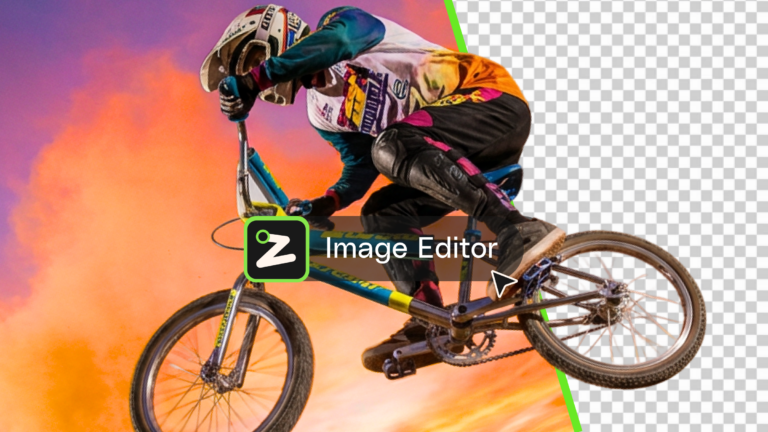
Learn what an AI image editor can do, and how to create polished visuals faster with AI.
This AI image generator guide will help you create high-quality visuals fast with smart styles, quick edits, and seamless creative workflows.

Envato gets described as a stock site, a design tool, and a template shop — none quite right. Here's what it actually is, what it isn't, and the misconceptions worth clearing up.