Movie typography in 2026: why does it suddenly look so good?
Explore movie typography trends shaping 2026, from bold film fonts to cinematic branding, with inspiring examples and practical tips for creating impactful, screen-ready typography.
Envato: Get every type of asset for any type of project, and access to AI tools. Start now
Want to learn how to use AI to optimize your web designs? From data-driven design decisions and AI-influenced UX design to building a website from AI, here’s how AI can help take your web designs to the next level.
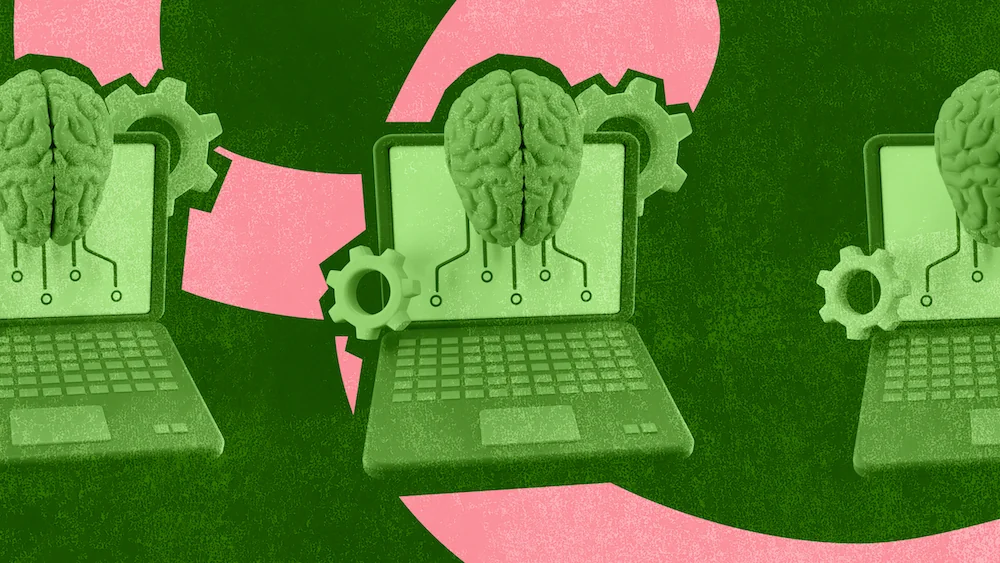
Modern technology is constantly evolving, and one of the latest – and most revolutionary – shifts has been the rise of artificial intelligence (AI) and machine learning. AI is now significantly impacting everything from writing and editing to content creation and digital design – and the world of web design is not exempt.
The rapid advancement of AI and machine learning has streamlined the website creation process and ushered in a new era of personalization, interactivity, and user-centric design.
While web design’s primary focus used to be visual aesthetics, it’s now all about crafting impactful, engaging user experiences that keep people coming back for more. And the truth is, in today’s fast-paced world, you’ve only got a few seconds to make a lasting impression online – and that’s where the power of AI-driven web design comes in.
Want to harness the power of AI to optimize your content, elevate your user experience, or even build a website from scratch? Read on to learn how machine learning is changing the wonderful world of web design and web development.
While building a website used to require extensive coding knowledge and design skills, AI has made the process more accessible and efficient than ever before. Here’s how to build a website with AI – from generating the initial concept to customizing and optimizing your web content.
The first step in creating any successful website is to determine its purpose and concept – and this is where AI can truly shine. In the early stages, you can use website survey tools and AI-powered tools like ChatGPT to generate a business name, brand messaging, or even a website tagline. Further down the track, you can even use it to analyze your business goals, target audience, and industry trends to generate a website concept that aligns perfectly with your vision. By inputting your key information and preferences, AI tools can provide suggestions for everything from color schemes and layout styles to content ideas that resonate with your audience.
Gone are the days of painstakingly coding each website element. AI builders – such as Dorik, 10Web, Durable, Mixo, and Framer – have revolutionized website development by automating most technical tasks. These platforms utilize machine learning algorithms to assemble and structure your website based on your concept. Depending on your chosen platform, they’ll usually give you a range of options – such as creating a new website, converting a website, migrating it, or even optimizing it. Simply choose a template, drag and drop elements, and fine-tune details to fit your website concept.
While AI builders provide a fantastic starting point, it’s crucial to customize your website to give it a human touch. But AI can help here, too, by allowing you to tailor your website’s content, images, and layout to reflect your unique brand identity. In addition to using AI-generation tools such as MidJourney or Dalle to generate visual content for your website, you can use AI-driven tools to analyze user behavior, gather insights, and make data-backed decisions about which website elements resonate with your audience.
Additionally, AI can optimize your website for improved performance and user experience. From suggesting the best placement for call-to-action buttons to providing insights on load times and responsiveness, AI can enhance the functionality of your website to ensure a seamless online experience.
Not quite ready to let AI build your website from scratch? Machine learning can also help optimize your web designs to enhance user experience, generate content, and ensure your website performs its best no matter where or how people use it. Here’s how to use AI and machine learning to take your web designs to a new level.
AI-generated content is no longer the stuff of science fiction. With cutting-edge tools like ChatGPT, you can generate engaging, relevant content, such as blog posts, product descriptions, or social media updates. AI tools such as DALL-E and Midjourney allow users to create high-quality images in a few clicks, whereas platforms like Blaze even assist in creating personalized user experiences based on audience preferences and interests. When it comes to AI-generated content, the sky is truly the limit.
Of course, the quality of this content can vary, and the caliber of the output depends heavily on the prompts you use. Even so, here are some ways AI is revolutionizing content creation for web design.
Remember the good old days when you had to sift through a sea of content to find the right image or the exact piece of information you needed? Those days are likely in the rearview mirror if AI has anything to do with it. Some ways these tools can assist with content curation include:
They say a picture is worth a thousand words, but what if it doesn’t load or isn’t optimized for mobile devices? AI is revolutionizing how we optimize and display website images and videos through:
Using AI to generate content is one thing – optimizing it for success is another. Here are some ways to leverage AI to streamline content optimization.
Data backs most design decisions, so why not streamline the process using AI? Machine learning takes data-driven design to a new level, thoroughly assessing user behavior to help designers make better decisions. By analyzing these user interactions, and the collected annotated data, machine learning algorithms can determine which page elements are most engaging, allowing designers to fine-tune layouts and content placement accordingly.
Here are some data-driven processes AI can help streamline:
Gone are the days when web designers had to manually tweak layouts for different devices and screen sizes. AI is ushering in a new era of responsive web design, automatically adjusting layouts to fit any device, saving time and resources, and ensuring a consistent and optimized user experience across all devices.
AI achieves this through:
User experience design (UX design) has always been a critical aspect of web design, but AI-driven aesthetics are taking it to the next level. Here’s how AI transforms how we approach UX design and create more engaging, user-friendly websites.
One of the most significant benefits of AI-driven UX design is the ability to offer a personalized and customized experience. By analyzing user behavior, preferences, and demographics, AI can tailor the website’s content, layout, and features to suit individual users’ needs through:
You’ve probably already seen many of these machine-learning technologies integrated into websites – it’s only now that AI is capturing the general public’s imagination.
As voice assistants like Siri, Alexa, and Google Assistant become increasingly popular, AI-driven UX design is shifting towards creating more voice-driven interfaces. Voice navigation allows users to interact with websites more naturally and intuitively, using their voice instead of traditional input methods like typing or clicking.
More websites have implemented AI features like:
By leveraging machine learning algorithms, AI-driven UX design can recognize and analyze users’ emotions and sentiments while interacting with a website. This data allows designers to understand users’ feelings and reactions, helping them create more empathetic and emotionally engaging digital experiences.
AI is streamlining sentiment analysis through:
In web design, AI is the great equalizer, ensuring everyone can enjoy a top-notch user experience, regardless of their abilities or preferences. These automated adjustments bring your content to a broader audience through:
The future of web design is brighter than ever, thanks to the power of AI. Undoubtedly, these cutting-edge technologies can help you elevate your web designs and create engaging, accessible, and inclusive user experiences for users worldwide.
As more AI tools, platforms, and services emerge, we’ll see the impact of AI on web design continue to grow as more opportunities arise for web designers to create truly revolutionary digital experiences.
It’s important to remember that using AI tools still requires careful planning and consideration to minimize AI security risks. While AI streamlines many processes, ensuring your website remains user-friendly, secure, and aligned with your goals is essential for long-term success.
While you’re here, check out the top Web Design Trends of the year and these top tips on becoming a UX designer. Or, head to Envato Elements to start creating today!
Explore movie typography trends shaping 2026, from bold film fonts to cinematic branding, with inspiring examples and practical tips for creating impactful, screen-ready typography.
Explore the bold botanical design trend shaping 2026, from lush patterns and floral design to branding, interiors, and nature-inspired creative projects rooted in biophilic aesthetics.
Learn what font Disney uses, why it’s not downloadable, and discover Disney-style font alternatives to recreate that iconic, playful branding style in your own designs.
Explore PowerPoint templates with professionally designed layouts to create polished, modern, and visually cohesive presentations.