50 best PowerPoint templates for 2026: education, business & more
Explore PowerPoint templates with professionally designed layouts to create polished, modern, and visually cohesive presentations.
Envato: Get every type of asset for any type of project, and access to AI tools. Start now
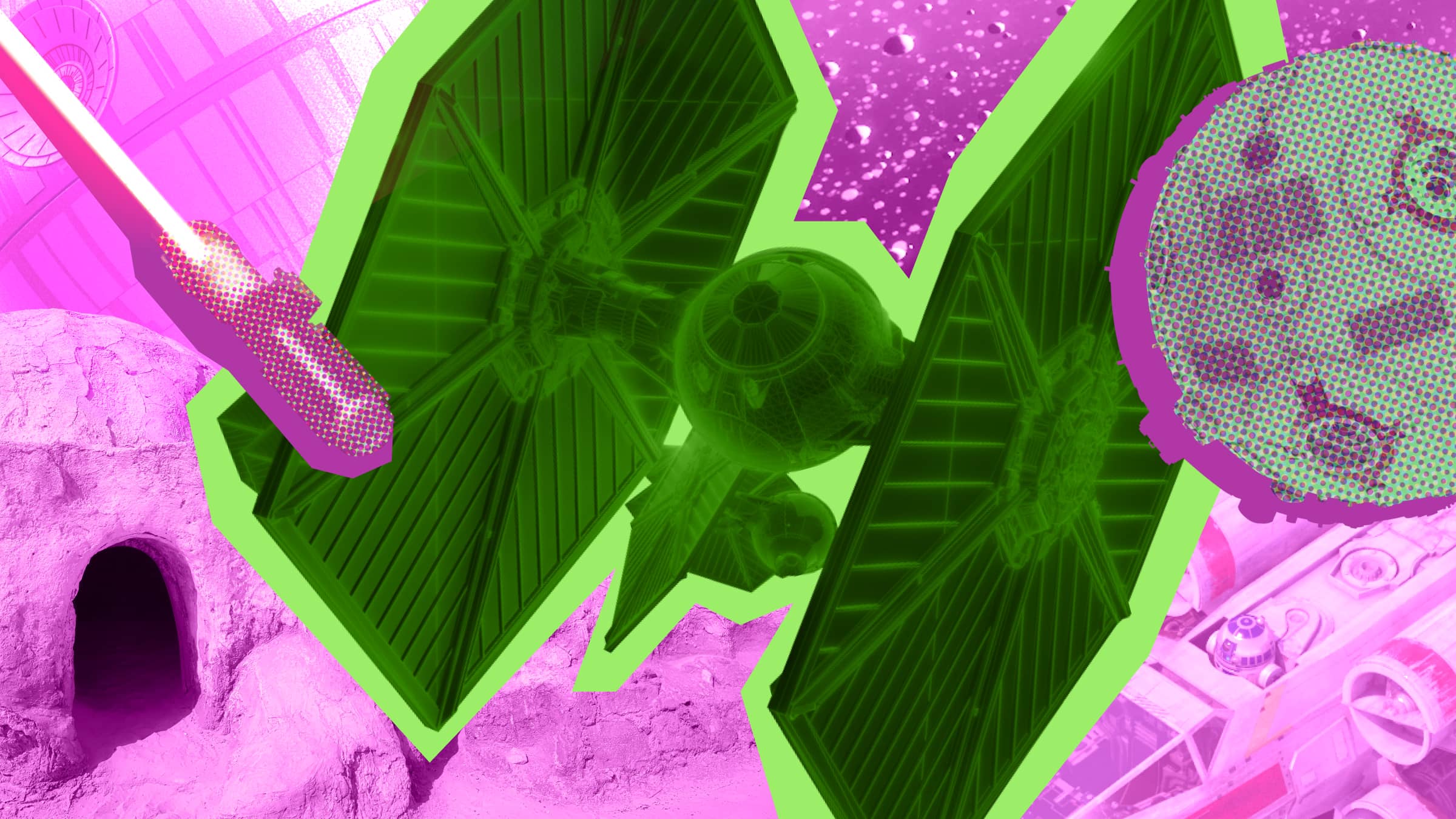
Join Star Wars superfan Jonathan Lam as he explores the Star Wars aesthetic and what designers can learn from it.
Star Wars is more than just a beloved sci-fi franchise! Its design is so rich and iconic, whether it’s the sight of a brightly colored lightsaber or the golden sands of Tatooine. I love how Star Wars mixes the old with the new, a giant melting pot of different influences. It’s got a bit of everything, from samurai films to Westerns and even the taste of World War II. The result? A Star Wars universe that somehow feels both futuristic and ancient.
In this article, I want to deeply dive into the design magic behind the Star Wars aesthetic. We can learn much from how Star Wars uses colors, silhouettes, and world-building to make every element feel intentional and iconic. Here are some key takeaways from each design aspect we’ll be covering in this article:
Now, keeping all this in mind, let’s take an in-depth look into the design of Star Wars! Buckle up, because this will be one geeky, art-loving ride!
It all begins here! You can’t talk about the Star Wars aesthetic without mentioning Ralph McQuarrie. His Star Wars concept art is the foundation of everything we know and love about the galaxy! The towering spires of Cloud City, the eerie mechanical look of Vader, and the junkyard blockiness of the Millennium Falcon all started with McQuarrie’s Star Wars concept art. Even decades later, filmmakers continue to pull from his original designs. You can see it in Rebels, The Mandalorian, and especially Rogue One, which feels like a love letter to his work.
After McQuarrie, Star Wars concept art continued to evolve as artists like Doug Chiang, Iain McCaig, and Ryan Church carried the torch, each adding their own style to the universe. Chiang’s sleek prequel-era designs, McCaig’s emotionally rich character work, and Church’s dynamic environments helped shape the Star Wars aesthetic we see today.
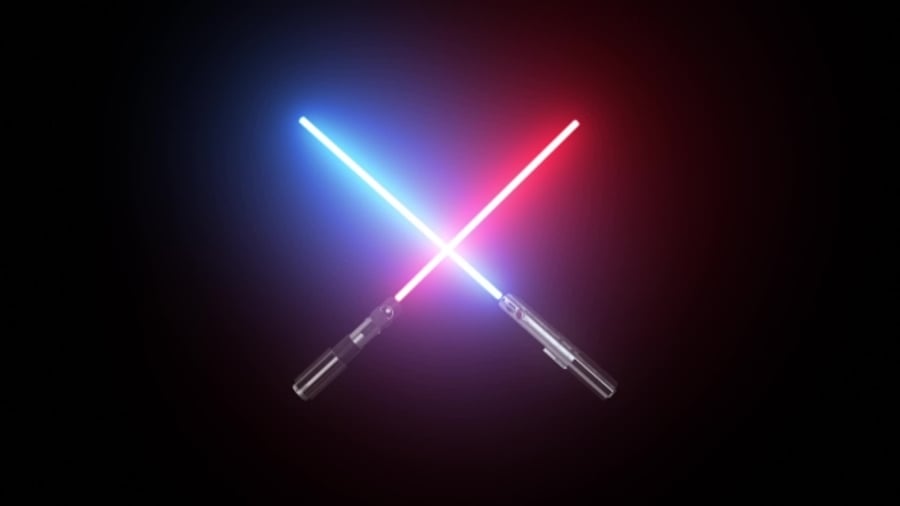
Let’s talk lightsabers! There’s no better example of Star Wars design using color for storytelling. It’s genius: blue and green for the noble Jedi versus red for the dangerous Sith. The second you see a red lightsaber ignite, you know something bad is about to happen. It’s simple but effective. Here are a couple of my favorite moments:
One thing Star Wars art does brilliantly is that it gives each planet its own color identity. You don’t even need to hear the name of a location to know where you are—the colors tell you everything! Here are a few of my faves:
Not everything in Star Wars is bold and high contrast. Sometimes, the softer, more delicate colors leave the biggest impact.
Star Wars planets don’t just stick to one color scheme. Some use contrast to make locations feel more dynamic and memorable. Crait is one of the best examples, standing out with its striking mix of white and red.
If there’s one thing Star Wars art absolutely nails, it’s character design, and that’s thanks to the brilliant vision of every Star Wars costume designer. You can recognize almost any major character just by their silhouette, which is a huge part of why the saga has such lasting visual appeal.
A Star Wars costume designer knows every stitch, color, and fabric choice contributes to a character’s identity. Star Wars understands that a great character design should tell you something about who they are before they even say a word.
Let’s start with one of the most epic designs of all: Darth Vader. Whether the film is live-action or animated, the towering black silhouette, the sharp angles of his helmet, the deep voice, and the mechanical breathing are all instantly recognizable.
Vader’s armor is a perfect fusion of influences. You can see hints of samurai helmets, medieval knights, and even Nazi gas masks in his design, all combined through the lens of a Star Wars costume designer who knew how to create something both futuristic and ancient.
And, of course, there’s his red lightsaber. It’s the only splash of color in his look, making every swing feel even more aggressive and dangerous.
The Jedi, on the other hand, go for the opposite approach. Their robes are simple, flowing, and full of warm, neutral tones. I love how their costumes reflect the philosophy of the Jedi Order: practical, humble, and grounded.
One of my favorite things about the prequels and TV shows like The Mandalorian and The Acolyte is how they expand the Jedi aesthetic. We get to see a range of Jedi, each with slight variations in their robes, yet all following that same basic philosophy. It makes the Order feel unified as if they’re part of something bigger than themselves.
The Mandalorian armor might be my favorite design in Star Wars. It is just so effortlessly cool! The T-shaped visor, the battle-worn metal plates, and the mix of function and style make it one of the best visual identities in the entire franchise.
What makes it even better is how personalized Mandalorian armor is. Boba Fett, Din Djarin, and Bo-Katan all have the same basic silhouette, but each character’s armor tells an individual story.
Some of the best costume storytelling in the saga comes from its leading women, notably Leia Organa and Padmé Amidala. Here are some of my favorite examples of fashion worn by Leia Organa and Padmé Amidala throughout some of the films.
The wardrobe of Padmé Amidala in the prequel trilogy is especially striking. That’s all thanks to Star Wars costume designer Trisha Biggar, who brought Padmé’s wardrobe to life across the prequel trilogy. As a Star Wars costume designer, she didn’t just create outfits—she built entire identities through fabric, silhouette, and cultural references.
The contrast between the Rebels and the Empire is another of my favorite things about Star Wars costume design.
What I love most about Star Wars design is how all the little details feel intentional. It’s not just the consistency of the ships, costumes, or color palettes that make the galaxy feel real, but also the little things, like the typography, the holograms, and even the UI on Imperial consoles.
The Star Wars logo itself is a masterpiece of simplicity. That thick, bold lettering with just the right slant gives it a perfect blend of classic and futuristic, whether on-screen, part of Star Wars graphic design, or stamped across a Star Wars movie poster. I think it’s incredible how it has barely changed in nearly 50 years because it doesn’t need to.
If you’re looking to use something similar, check out some of the fonts available for download below:
This opening crawl is one of the most iconic uses of typography in cinema history! With its bold yellow text slowly drifting into the stars, it’s so simple yet effective. It’s fantastic how it was inspired by the classic Flash Gordon serials, giving it a vintage sci-fi feel while still being unique to Star Wars design.
Aurebesh is the in-universe written language, and it’s a key part of Star Wars graphic design that helps make the world feel lived in and authentic. It’s used everywhere, from Rebel computer screens to warning signs on the Millennium Falcon.
Here are a few fonts that I feel capture a bit of the style:
I think it’s really interesting how Star Wars graphic design leans into its “lo-fi” aesthetic. Unlike many modern sci-fi, where everything is sleek and ultra-high-tech, Star Wars computers and HUDs feel clunky and analog. Even the prequels and sequels kept this design philosophy with all their shiny CGI, which makes the tech feel real and consistent, even across different trilogies.
The official Star Wars movie posters are masterpieces of illustration, thanks to legendary artists like Drew Struzan, Tom Jung, and Roger Kastel. Struzan’s work, in particular, is my favorite! I love how his painterly style gives the posters a sense of warmth and depth that creates a mythic feel. Even as Star Wars movie posters have evolved into more modern, digital compositions, I think the hand-painted look remains one of the most recognizable and special visual identities in cinema.
I think it’s really cool how creatures aren’t just there to look good but feel like they belong in the environments. Banthas on Tatooine, Wampas on Hoth, and the Mon Calamari in the oceans all fit so naturally in their worlds that you don’t question their existence. Also, it’s great to see how Star Wars art is trying to strike that balance now between CGI and practical effects in shows like The Mandalorian. Blending the two helps make everything feel tangible and alive.
Who can forget the iconic spaceship and vehicle designs? The Millennium Falcon is the ultimate example: a clunky, patched-up freighter that looks cooler than any high-tech fighter.
I think it’s so cool how the different factions have their own design language. The Empire’s ships are cold, symmetrical, and mass-produced, while the Rebellion’s X-wings and Y-wings look scrappy and well-worn.
Even in the prequels, Naboo’s sleek and polished starfighters show how refined the Republic was before everything fell apart. It’s like every ship tells a story…
Another thing that I find really interesting is how Star Wars world-building seems to pull so much inspiration from real-world architecture. Naboo looks like an Italian Renaissance city, while Coruscant’s upper levels feel like a mix of New York and Tokyo, with endless skyscrapers. Even the Jedi Temple has ancient pyramid-style influences, reinforcing that the Jedi are part of something old and mystical.
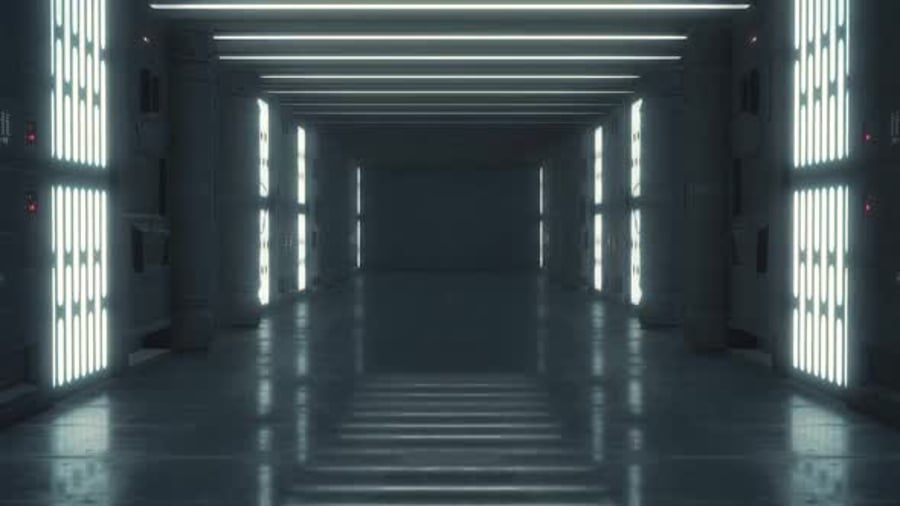
The Empire and The First Order, of course, take a completely different approach. Their bases and cities are cold, brutalist, and designed purely for intimidation, much like the imposing government buildings of the Soviet era or the stark, utilitarian designs of Nazi Germany.
One of the things I love most about Star Wars art is how its design philosophy carries across every form of media. Whether it is comics, TV shows, cartoons, or video games, that signature Star Wars look is always there, making everything feel like it belongs in the same galaxy.
The animated series do an amazing job of keeping the Star Wars aesthetic intact. The Clone Wars and Rebels pull directly from Ralph McQuarrie’s concept art, using his angular designs and muted color palettes to create worlds that feel painterly and lived in.
If you’re looking for Rebels and Mandalorian-style fonts, here are a few that could come in handy:
I love how Star Wars video games make you feel like you’re stepping straight into the films. Jedi: Fallen Order and Battlefront II perfectly use the look of a “used future,” making environments feel weathered and lived in. Some of my favorite older games, like Knights of the Old Republic, also stick to the franchise’s core design principles, with distinct silhouettes, bold color contrasts, and a strong sense of history in every location.
In the world of comics, Star Wars design remains instantly recognizable. The classic Marvel Star Wars comics use bold, high-contrast colors and dynamic compositions, while modern graphic novels embrace a more cinematic, detailed approach. No matter the art style, the planets, costumes, and vehicles always stay true to the universe, making every comic feel like an extension of the films.
It’s truly amazing how the Star Wars universe has stayed so visually iconic. Every design tells some kind of story. You don’t need anyone to tell you that the Empire is oppressive or that Tatooine is harsh. The colors, shapes, and textures do all the work.
I also think it’s cool how the design keeps evolving while staying true to its roots. It’s inspiring to see how the new streaming shows like Skeleton Crew, The Acolyte, and Ashoka all use a mix of practical effects and CGI to great effect. It all proves that the Star Wars universe is not just a film series—it’s a creative language, which is why it will always feel timeless.
Explore PowerPoint templates with professionally designed layouts to create polished, modern, and visually cohesive presentations.
Learn what font Nike uses, explore its typography evolution, and discover Nike font alternatives to create bold, minimal, high-impact designs for branding and campaigns.
Discover bold music video fonts for 2026, with top picks and bonus styles that help creators match sound, genre, and mood with striking visual identity.
Learn how to create an AI infographic design using GraphicsGen and Illustrator, from idea to reusable systems, with a step-by-step workflow for consistent, scalable visuals.