

Movie typography in 2026: why does it suddenly look so good?
Explore movie typography trends shaping 2026, from bold film fonts to cinematic branding, with inspiring examples and practical tips for creating impactful, screen-ready typography.
Envato: Get every type of asset for any type of project, and access to AI tools. Start now
Wanna keep it reel? Let’s explore the evolution of social media video, and unpack the trends and strategies fueling this reel revolution!
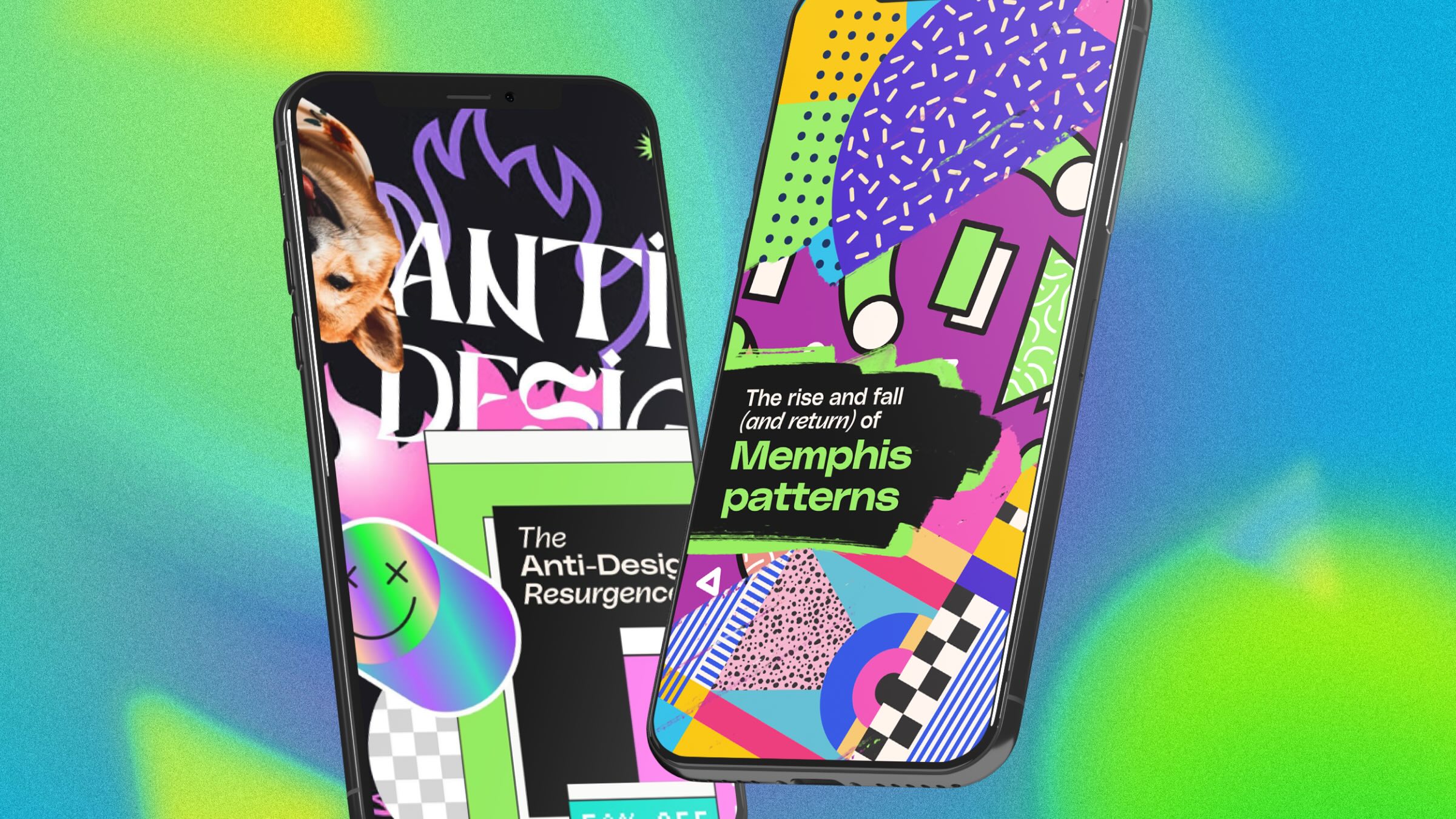
Social media video has taken the digital world by storm over the last decade, transforming the way we create and consume content. From the early days of quick Vine clips to the present dominance of TikTok, Instagram Reels, and YouTube Shorts, short-form video content has become a powerful tool for capturing attention and driving engagement.
Ready to get reel? Let’s explore how social media video has evolved over time, diving into the trends, successful campaigns, and platform-specific strategies that have shaped this dynamic form of content.
The journey of short-form video content began with platforms like Vine and Snapchat, which revolutionized how we share and consume media.

Vine (2013–2017): Vine introduced the concept of six-second looping videos, a format that pushed creators to deliver impactful, creative content within a tight timeframe. This limitation sparked innovation, forcing users to find new ways to tell stories, deliver humor, or convey messages in a matter of seconds.
In 2025 more than ever, Vine’s comeback would make a lot of sense. After all, it’s the app that started it all in terms of short-form, viral video clips.
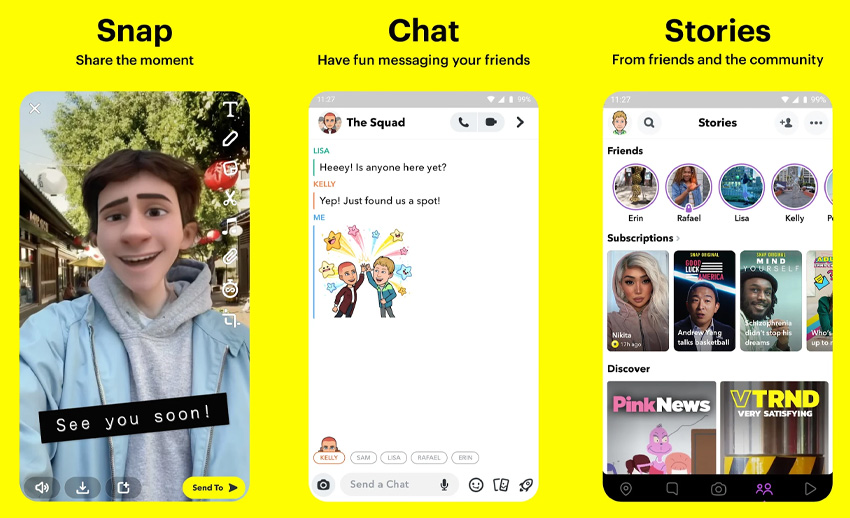
Snapchat (2011–present): Snapchat, on the other hand, introduced the idea of videos and images that disappeared after 24 hours. This fleeting nature made content more exciting and encouraged users to engage quickly, adding a sense of urgency that wasn’t present in other forms of media.
These two platforms set the stage for what would soon become a major shift in how we interact with content online.
As these platforms gained popularity, it became clear that users were gravitating toward shorter, more digestible content. This shift was largely driven by the modern audience’s preference for quick, engaging, and easily consumable media.
The appeal of short-form videos, offering immediate entertainment or information, fit perfectly with the fast-paced nature of digital life, solidifying their place in social media.
For motion designers and marketers, this shift highlighted the importance of capturing attention within the first few seconds, fundamentally altering content creation strategies.
Creators had to quickly adapt, focusing on making every second count in their videos to meet the new audience’s expectations.
Recognizing this shift in user behavior, major social media platforms quickly adapted. TikTok emerged as a leader in the short-form video space, with an algorithm designed to promote viral content and keep users engaged. Its success prompted other platforms to follow suit. Other examples include:
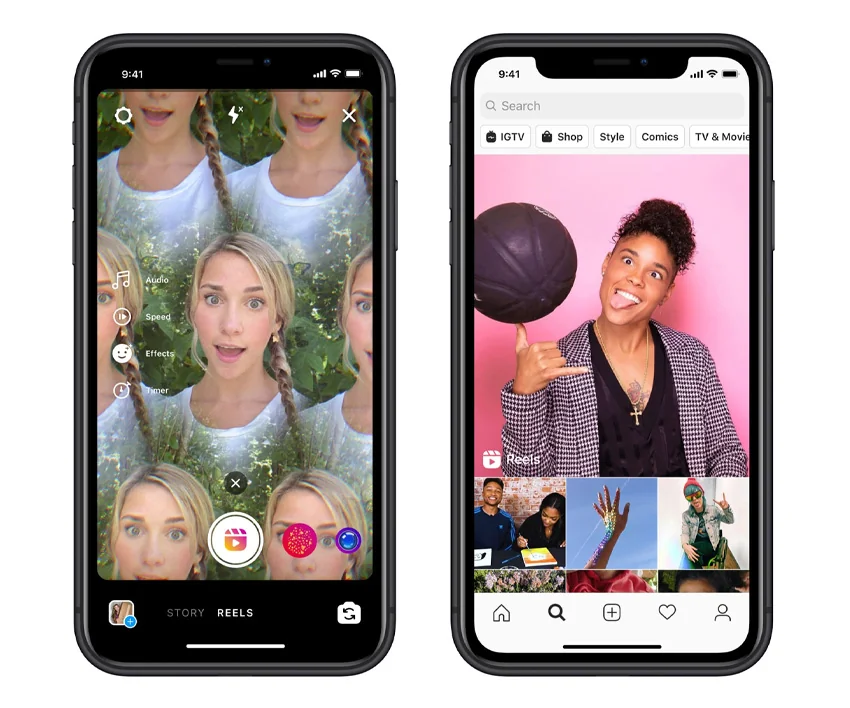
Instagram Reels (2020): Instagram launched Reels in August 2020 as a direct competitor to TikTok. It offers a similar short-form video feature to tap into the growing trend.
YouTube Shorts (2021): YouTube followed suit by introducing Shorts in March 2021. This feature allows creators to produce and share brief, impactful clips, leveraging YouTube’s vast user base.
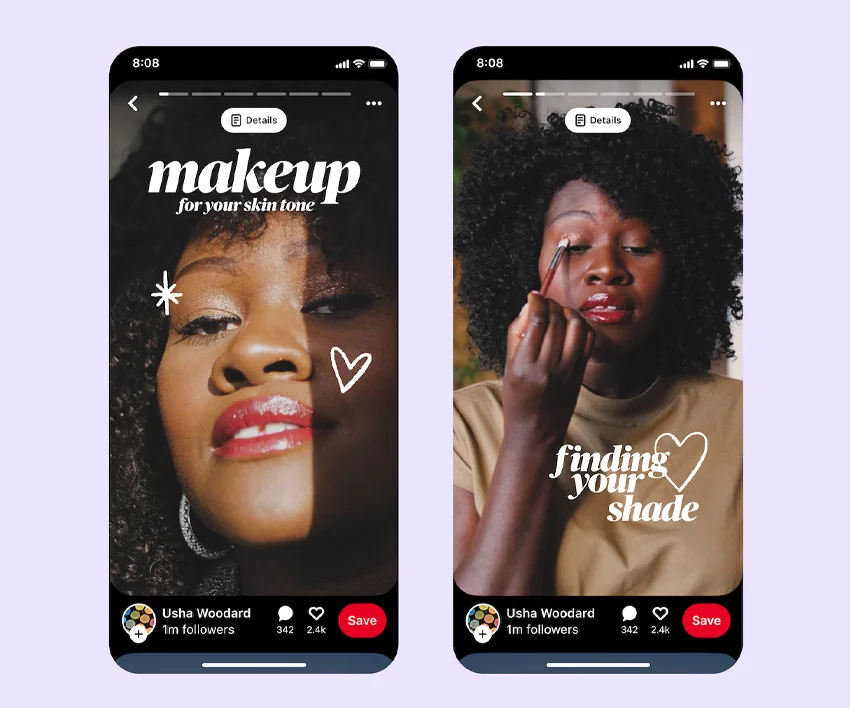
When social media video first emerged, early trends were characterized by raw, unfiltered content. Platforms like TikTok and Instagram Reels saw a surge in users sharing spontaneous, everyday moments, often with minimal editing. This authenticity resonated with audiences, who appreciated the genuine, relatable nature of the content.
During these early years, the focus was on user-generated content (UGC), with anyone able to create and share videos without the need for professional equipment or extensive editing skills.
As social media video grew in popularity, particularly from 2020 onward, there was a noticeable shift toward more polished, professionally produced content. Creators and brands began investing in high-quality production values, using advanced editing tools, professional cameras, and carefully curated aesthetics.
Motion designers and creatives started pushing the boundaries of what could be achieved within short-form videos, incorporating cinematic transitions, intricate animations, and a high level of craftsmanship into their reels.
One of the most popular formats in social media video has been the viral challenge, especially from 2019 onward. These challenges often start on platforms like TikTok and quickly spread across social media, driving mass participation.
Tutorials and how-to videos have become a staple in social media video, particularly on Instagram Reels and YouTube Shorts, from around 2020. These short videos, often under a minute, provide quick, valuable insights or step-by-step guides on various topics, from makeup tips to DIY projects.
Storytelling in reels has evolved significantly since 2020, with creators developing micro-narratives that fit the short-form format. These stories often conveyed through visual cues, text overlays, and music, capture attention and convey messages or emotions quickly.
Memes have played a significant role in driving viral trends in social media video, particularly since 2019. They serve as a form of cultural currency, spreading rapidly across platforms and often evolving as they are shared and remixed by users.

From 2019 onward, creators have increasingly integrated popular memes into their reels, using humor and relatability to engage audiences and enhance shareability.
Music and sound bites have been central to the virality of social media video, especially on TikTok, since around 2020. The platform’s built-in features make it easy for users to add trending songs or sounds to their videos, significantly boosting visibility.
Since around 2020, creators have strategically used music to evoke emotions and enhance the mood or message of their reels, making them more engaging and memorable.
Motion designers play a crucial role in the evolving world of social media video. As reels become more visually sophisticated, the demand for creative, eye-catching content is higher than ever. Motion designers are uniquely positioned to meet this demand by bringing their expertise in animation, visual effects, and storytelling to the short-form video format.
Collaboration between motion designers and marketing teams is another key aspect of shaping the future of reels. By working closely with marketers, designers can ensure that their creative vision aligns with the brand’s goals, resulting in content that is both visually stunning and strategically effective. This partnership is essential for creating reels that resonate with audiences and drive engagement.
As technology advances, motion designers are also exploring new techniques, such as augmented reality (AR) and 3D animation, to enhance reels. These innovations allow for more immersive experiences, making reels not just videos but interactive pieces of art.
The role of motion designers in reels will continue to grow in the future. As platforms introduce new features and technologies, designers will be at the forefront, pushing the boundaries of what’s possible.
From leveraging influencer partnerships to creating visually stunning content that tells a story, social media video is paramount for capturing attention and building engagement. Here are some brands absolutely slaying their social video strategies.
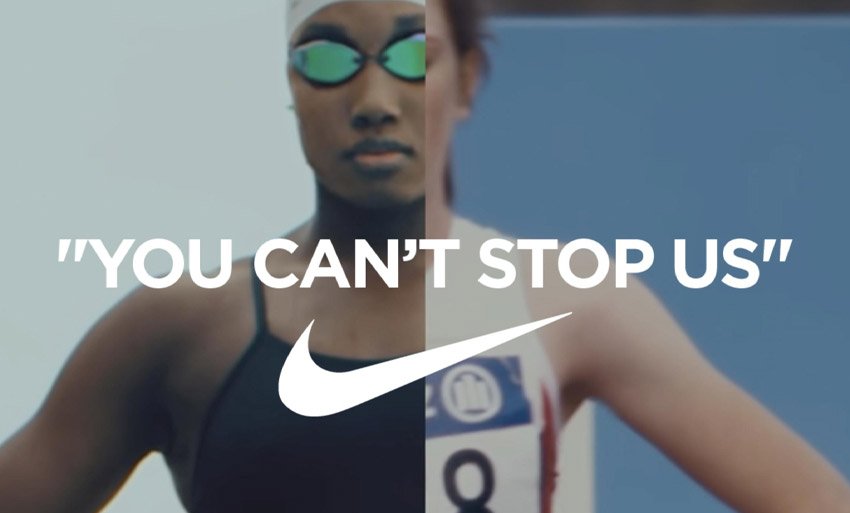
Nike’s “You Can’t Stop Us” campaign, launched in 2020, is a prime example of how powerful storytelling and innovative editing can make a reel go viral. The campaign was built around a series of split-screen videos that seamlessly combined footage of athletes from different sports, creating a powerful narrative of perseverance and unity.

Apple’s “Shot on iPhone” campaign is a long-running initiative that has successfully adapted to the short-form video format of reels. Launched initially in 2015, this campaign has evolved to include user-generated content shared through Instagram Reels and TikTok, showcasing the creative possibilities of the iPhone camera.

Netflix’s promotion of “Stranger Things” Season 4 through social media video is a case study of how to build anticipation and engage with a fan base using short-form content. Starting in late 2021, Netflix released a series of reels and TikToks that offered cryptic teasers, behind-the-scenes footage, and character highlights.

In 2021, Airbnb launched the “Live Anywhere” campaign, which encouraged people to share their experiences of living in Airbnb properties around the world. The campaign utilized Instagram Reels to showcase diverse and unique living experiences, highlighting the flexibility and variety of Airbnb’s offerings.
Social media video has transformed the way we engage with content, offering a dynamic and visually compelling format that resonates with audiences worldwide. From the rise of short-form videos to the innovative campaigns and creative techniques discussed, it’s clear that reels are more than just a passing trend—they are a powerful tool for storytelling, brand building, and audience engagement.
As the social media landscape continues to evolve, motion designers, marketers, and creatives have an exciting opportunity to shape the future of reels. By experimenting with new techniques and collaborating across disciplines, you can create impactful content that not only captures attention but also leaves a lasting impression.
To take the next step and get the most out of your social media video, try a social media template from Envato, your one-stop creative solution. You’ll find professionally designed templates to help you create a sleek design for short-form videos for all your socials!
And keep reading—we’ve got plenty more articles for you right here. Discover how to keep your social media branding consistent across platforms, or find out what’s trending on TikTok.
Explore movie typography trends shaping 2026, from bold film fonts to cinematic branding, with inspiring examples and practical tips for creating impactful, screen-ready typography.
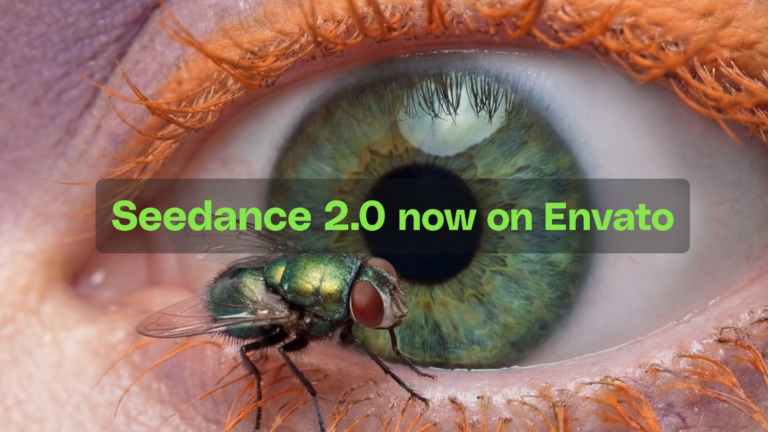
Seedance 2.0 — ByteDance's AI video model known for its physical realism and scene complexity — is now part of the model lineup behind Envato's AI video generator. Here's what changes.

Discover bold music video fonts for 2026, with top picks and bonus styles that help creators match sound, genre, and mood with striking visual identity.

Learn how to build an AI character design workflow, from generating concepts with AI to refining and transforming them into clean, stylised 3D characters in Blender.