Best graphic design software in 2026: 12 tools for every designer
Discover the best graphic design software for every workflow. Compare Photoshop, Illustrator, Figma, Blender, Canva, Affinity, and more to find your ideal tool.
Envato: Get every type of asset for any type of project, and access to AI tools. Start now
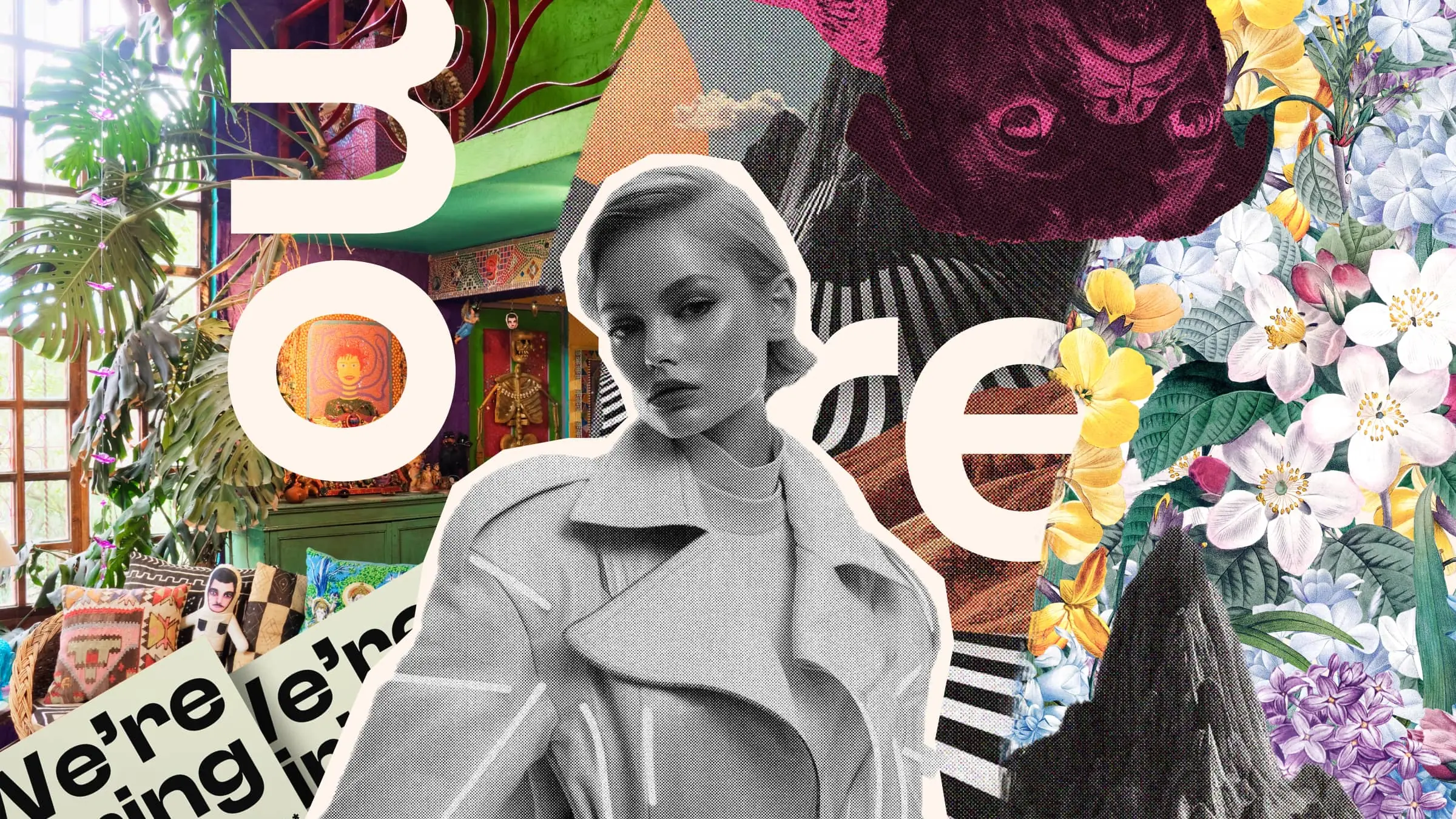
What's maximalism anyway? We take a look at this chaotic, abundant, and kitschy design style.
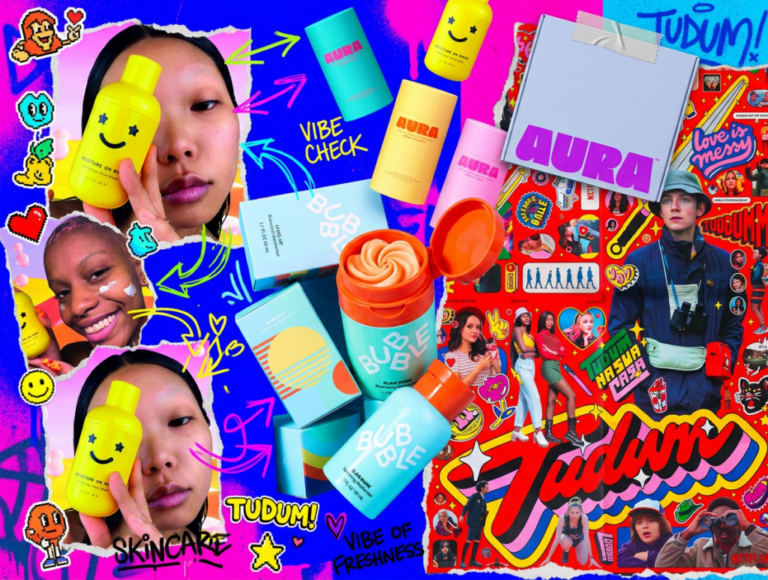
Maximalism is having a moment. You’ve seen it in packaging, posters, and social feeds. Here’s how to recognize it: it’s bold, layered, and unapologetically busy.
Just look at Poppi’s soda cans: bold, chaotic, and impossible to ignore. They stand out instantly with prominent fonts, bright color palettes, and playful graphics. Scroll through Instagram or TikTok, and you’ll see plenty more designers and creators leaning into excess.
We all want to be right on design trends, so stick around to learn why maximalism works, where it’s showing up, and how you can pull it off using assets from Envato and our stack of AI tools.
Maximalism in graphic design is a visual style defined by contrast, layering, and abundance. Instead of simplifying, it builds.
So what’s the formula for chaos-that-works? Let’s break down the ingredients:

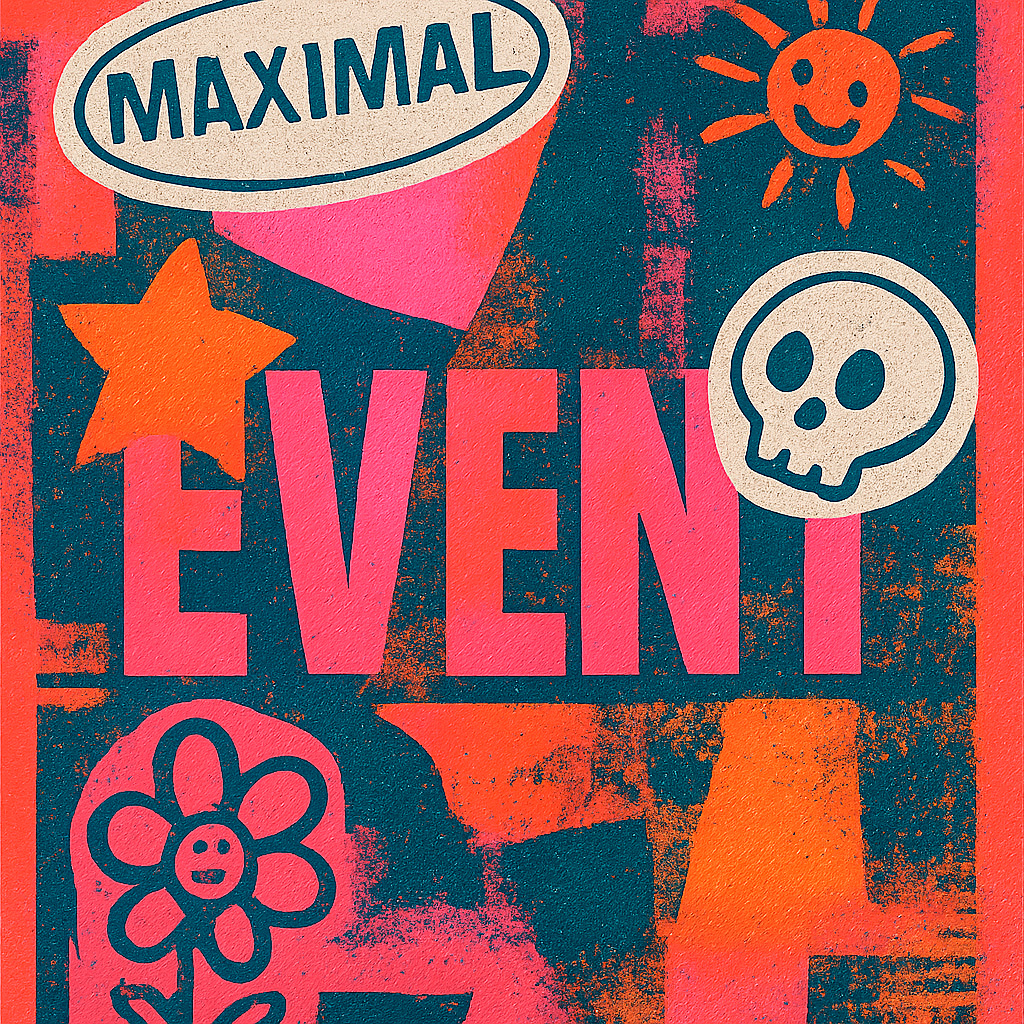
Try this prompt in GraphicsGen:
Maximalist event poster design with sticker overlays, hand-drawn doodles, and glitch textures.
This is where maximalist graphic design, chaotic graphic design, and even a bit of anti-minimalism really shine. Forget neatness and embrace the energy.
The maximalist style thrives in digital spaces where attention is limited and visual impact matters. It’s also a natural fit for brands that want to stand apart from minimalist competitors.
Need a shortcut? Envato has a whole universe of maximalist-friendly assets like:
The thing about maximalist design is that it can be many different things and several distinct styles simultaneously and in the same place. So, how can you tell that it is, in fact, maximalist art?
These are some of the most defining characteristics of maximalism:
Combining typefaces such as serif, sans, script, and stylized fonts is a key part of the aesthetic. The contrast between styles adds energy and, against all odds, it really works.
Icons, maximalist illustrations, emojis, and graphic elements are layered like stickers on your water bottle. These can be decorative and functional, guiding the eye or adding personality.
You can also experiment with Envato’s AI tools, ImageGen and GraphicsGen, to bring cool ideas to life. You can use these as a canvas to start working on your next maximalist design project.
It’s all about learning to write the best AI prompts to make the most of each tool.

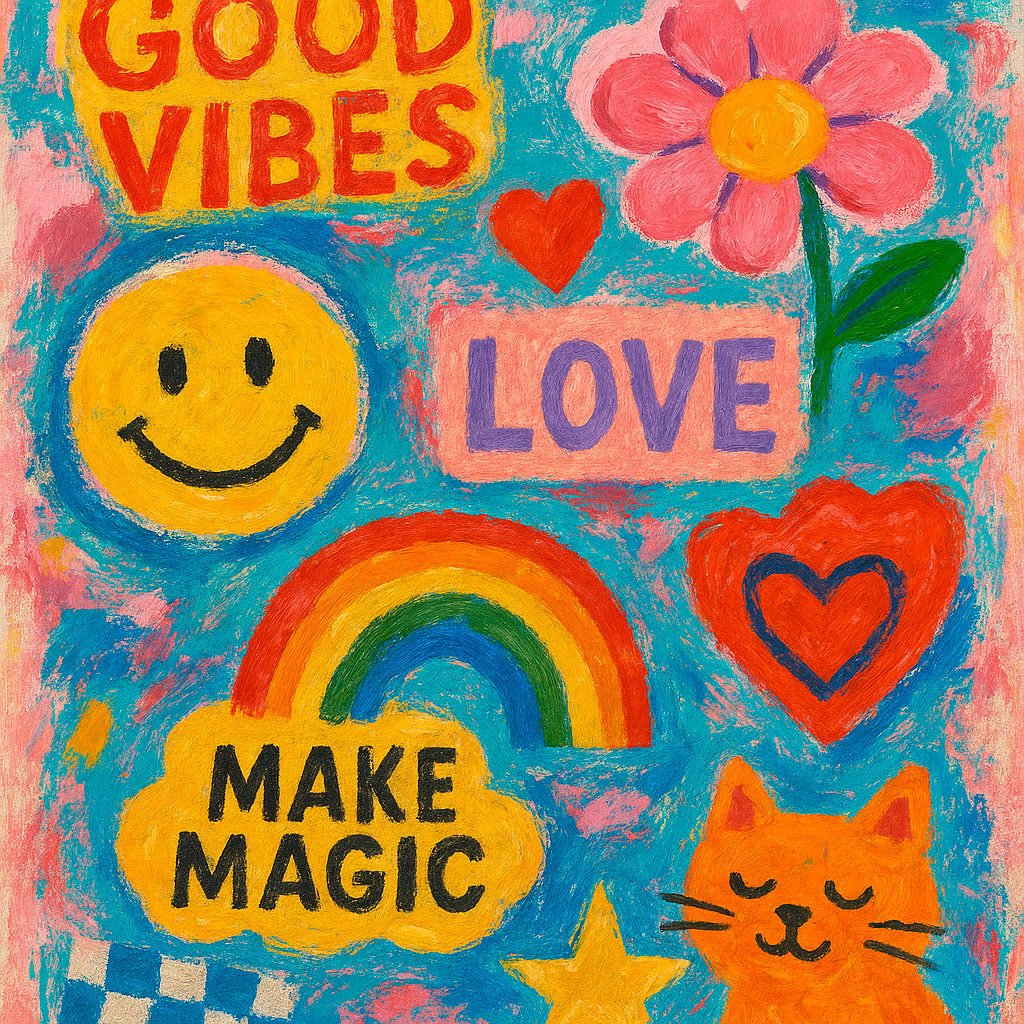
Try this prompt in GraphicsGen:
Maximalist collage with illustrated stickers, grunge textures, and clashing fonts.
Grain, glitch, halftone, and scanned textures add depth and a realistic feel. They can soften elements that look too near and give the design a more analog look.
Which brands are embodying maximalist excess in graphic design? Here are a few examples.
As we mentioned earlier, Poppi is one of the brands embracing maximalist design. Poppi’s packaging combines strong color contrasts, bold type, and maximalist illustrations to create an eye-catching product.
We can tell it’s all about maximalism thanks to key design choices, such as:
Artist and photographer Petra Collins is known for her dreamlike, layered compositions, which are commonly filled with saturated colors, textures, and surreal elements.
Her work blends digital collage, vintage style, and visually rich storytelling that’s unmistakably maximalist. Whether it’s a photoshoot, a music video, or a book cover, every choice adds to the atmosphere.
Some key elements she used to achieve the maximalist look include:
Event posters, especially in music and nightlife, often feature dense layering, bold graphics, and effects like distortion and scan lines.
The characteristics that scream maximalism in art are:
It can look like a design tantrum, but great maximalism is deliberate. Here’s how to make sure your chaotic aesthetic still has some structure:
AI-generated art tools seem to love maximalism in graphic design. They often create weird juxtapositions, intense textures, and surreal color palettes. You can use AI tools to prototype layouts or test chaotic combinations.
Try prompts like:
Let’s use the first and last prompts to create more maximalist art with Envato’s GraphicsGen.

Try this prompt in GraphicsGen:
A sticker-bombed skate deck with glitch effects.

Try this prompt in GraphicsGen:
A digital poster in postmodern Y2K style with warped fonts and chrome textures.
Maximalism in graphic design has been around for decades. It has thrived in eras where self-expression, irony, and a bit of visual anarchy were needed the most.
We can’t think of maximalism without mentioning artists such as Gustav Klimt and Yayoi Kusama. Their work fears no color, layer, or vibrant element, and it has inspired the wave of loudness and over-the-top design that comes with maximalism.
Maximalist art has shone through the Memphis Group patterns, the layers of postmodernism, and the glitchy excess of Y2K. The early 2000s were especially iconic: MySpace layouts, punk festival flyers, and CD-ROM games with more effects than sense.
These influences helped define maximalism as expressive and layered.
Today’s version is like a reboot of those earlier design styles, with better software and a sharper eye.
Related styles like cluttercore and the chaos aesthetic help frame maximalism’s crossover into interior design and fashion. Digital design is all about combining visuals that shouldn’t work together but somehow do. And doing so is easier than ever, thanks to the accessibility of tools like AI and asset libraries.
Play around with different assets, tools, and ideas. You can get many results and gain new inspiration from each one to craft your unique maximalist aesthetic, one design at a time.

Try this prompt in GraphicsGen:
2000s-inspired digital collage with pixel graphics, colorful and vibrant background, and pop culture icons.
What is maximalism?
Maximalist design is a visual approach that layers typography, images, and textures to create detailed, high-impact compositions.
Is maximalism in graphic design just clutter?
Not exactly. Yes, it’s super busy, but structured. Good maximalism is always intentional, taking into account hierarchy and balance.
Where is maximalism commonly used?
Maximalist design can be found in product packaging, event posters, brand content, websites, and fashion campaigns.
Can maximalism work for web design?
Absolutely. Maximalist web design can create unforgettable user experiences, particularly for brands targeting Gen Z and culture-savvy audiences. Just balance it with usability.
What should I use to create maximalist designs?
If you want the maximalist look, try bold fonts, sticker elements, overlays, and graphic kits. Explore all types of maximalist assets on Envato.
Maximalism is more than a passing trend: it’s a practical style for standing out in digital spaces. Don’t be afraid to break the rules. If it looks too loud, you’re probably doing it right.
With the right assets and tools, you can craft a chaos core aesthetic that feels intentional and unforgettable. Start exploring the brightest side of design with Envato’s curated collection for maximalist creatives.
Try starting with a few AI-generated prompts, and then enhance your layout with fonts, overlays, and graphic elements from Envato. It’s a smart way to explore a bold style without starting from scratch.
Discover the best graphic design software for every workflow. Compare Photoshop, Illustrator, Figma, Blender, Canva, Affinity, and more to find your ideal tool.
Learn how to edit with AI on Envato stock photos, customizing images instantly by removing objects, changing backgrounds, and creating polished visuals without leaving the platform.
Explore the tennis aesthetic trend for 2026, from preppy style and color palettes to branding and design ideas inspired by tennis culture, fashion, and modern creative projects.
Fourteen World Cup shirts that still matter, from Brazil 1954 to Cameroon's banned vest. The design thinking behind the kits that lasted, and what they all have in common.