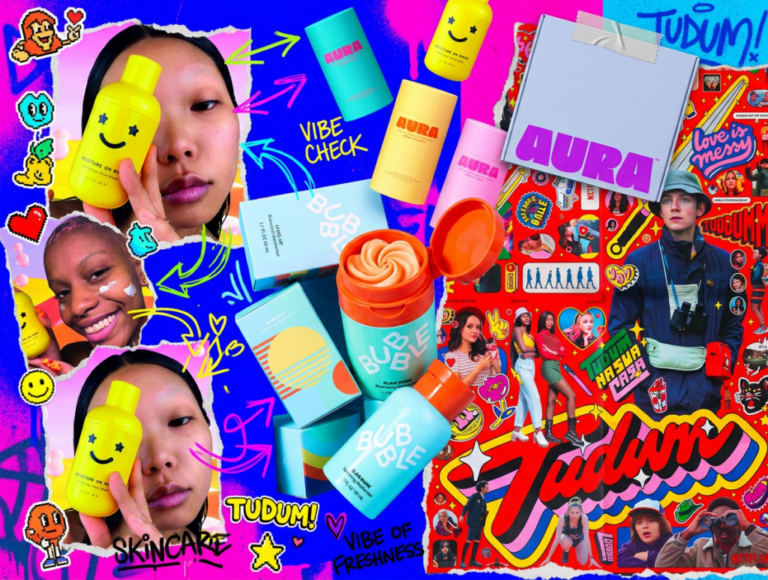

Movie typography in 2026: why does it suddenly look so good?
Explore movie typography trends shaping 2026, from bold film fonts to cinematic branding, with inspiring examples and practical tips for creating impactful, screen-ready typography.
Envato: Get every type of asset for any type of project, and access to AI tools. Start now
What are the key elements of an effective creative brief? We break it all down in this comprehensive guide.
When you’re working on a creative project, there’s one thing you can’t skip: a solid creative brief. Think of it as the link between what the client wants and how the team delivers. Whether it’s a logo, a marketing campaign, or digital content, a clear brief will reduce confusion, save time, and keep everyone on track.
This guide breaks down everything you need to know about creative briefs—what they are, why they’re essential, and how to write one that gets the job done right.
A creative brief isn’t just a document—it’s a game plan for any creative project. It spells out the project’s goals, audience, deliverables, tone, and other key details, giving everyone a clear direction.
Think of it as a roadmap that keeps the client and the creative team on the same path. It’s simple, clear, and essential.
A good creative brief gets straight to the point by answering the big questions:
When these questions are nailed down, the team has a clear sense of direction. There is no guessing, no mixed signals, just a shared understanding of the goals, timelines, and expectations.
Creative briefs are super crucial for keeping everyone on the same page. They help the client, agency, and creative team stay aligned on goals, reduce revisions, and ensure a clear plan for success. Plus, they keep the process moving smoothly and hold everyone accountable.
Creative briefs include a few key pieces, each playing an important role. Together, they guide the project and set it up for success.
Every project starts with a clear purpose. The client’s goals and objectives are the backbone of the creative brief. Are they trying to build brand awareness, launch a new product, or reach a specific audience?
Knowing these goals helps the creative team stay focused and determine whether the project hits the mark. When the client’s goals are clear, it’s easier to map the creative direction.
Understanding your audience is just as important as knowing your goals. The target audience shapes the audience to whom the creative work speaks.
This means examining things like age, gender, location, and income, as well as interests, values, and habits. The more specific you can be, the better. A clear audience definition helps the creative team craft messages and visuals that connect.
Deliverables are the project’s final outputs, which must be spelled out clearly in the brief. Establishing the requirements clearly can avoid confusion later, whether it’s a website design, social media posts, or a video ad. This part of the brief should also cover formats, sizes, and technical requirements to ensure the end product checks all the boxes.
Every brand has its personality, and the creative work should match it. The tone and style section of the brief lays out the vibe—whether it should be playful, formal, minimalist, or bold. It’s also the place to include branding details like color palettes, fonts, and imagery to ensure consistency with the client’s look and feel.
Writing up a creative brief isn’t just about completing a template. It’s about bringing people together, providing clear direction, and thinking ahead to ensure the project runs smoothly and achieves its goals.
A solid brief starts with real conversations. Take the time to understand the client’s vision—ask about their goals, audience, and expectations. Don’t be afraid to dig deeper.
Clients usually have a rough idea of what they want but might struggle to understand it. Your job? Turn their thoughts into a clear, actionable plan.
A creative brief turns big ideas into actionable steps. It breaks the client’s vision into clear steps the creative team can follow.
For instance, if the goal is to boost website traffic, the steps might include writing SEO-friendly blog posts, designing eye-catching banners, or running targeted ad campaigns. It’s all about turning abstract goals into practical tasks.
Making a creative brief from scratch takes time, but tools and templates can speed things up. Pre-made creative brief templates with sections for goals, audience, deliverables, and timelines help you stay organized and ensure you cover all the essentials. They’re a great way to save time and cover all the essentials.
Even the most talented creatives can stumble when it comes to writing briefs. To ensure your project starts on the right foot, it’s essential to avoid common mistakes that can lead to confusion or missed goals. A well-crafted brief sets the tone and provides the clarity needed for success.
A strong brief strikes the right balance between being clear and concise. Skip vague phrases like “make it eye-catching” or “modern design.” Instead, be specific about what the client wants. Also, avoid overdoing it—too much detail can overwhelm the team. Stick to what really matters.
Feedback is key to nailing a creative brief. Before wrapping it up, share it with everyone involved—the client and key members of the creative team. Their input can help spot gaps, fine-tune details, and ensure everyone’s on the same page.
Timelines and deadlines are just as important as the creative work. The brief should include precise due dates for drafts, revisions, and final deliverables. Setting expectations early keeps everyone on track and helps avoid last-minute chaos. This includes setting boundaries and knowing when to say “no” to avoid rushing or creating false expectations that can lead to disappointments.
Envato offers a range of resources that can elevate your creative briefs and streamline your workflow.

Clients don’t always have an easy time explaining their vision, and that’s where Envato’s huge library of design assets comes in. With stock photos, graphics, and more, these resources can help spark ideas and turn abstract concepts into something concrete and inspiring.
Envato’s professionally designed templates make creating briefs a breeze. They’re easy to customize, so you can put together a polished and thorough document without the extra hassle.
Envato also has plugins that take your creative process up a notch. From design tools to project management solutions, these plugins save you time, boost productivity, and help you deliver work that meets top-notch professional standards.
Before you consider your creative brief complete, take a step back and review whether it includes all the critical components necessary for a successful project. A well-crafted brief serves as a roadmap, eliminating ambiguity and aligning the team toward a shared vision.
The foundation of any creative brief is the client’s objective. Does your brief answer the following questions?
A strong creative brief ensures the team understands the client’s expectations and how success will be measured.
A creative project is only effective if it speaks to the right audience. The brief should include:
The more specific the audience definition, the easier it is to tailor messaging and design to resonate with the intended users.
Deliverables are the tangible outputs of the project. Clearly defining them avoids misinterpretation and rework. Double-check:
Consistency is key in creative work. A brief should define the creative direction so all assets align with the brand. Confirm that you’ve included:
Once all these elements are in place, ensure your brief is formatted cleanly and professionally.
A polished, well-structured creative brief makes a strong impression and sets the stage for a smooth project execution.
A creative brief sets the stage for a successful project. It lays out the goals, expectations, and what needs to get done. Tools and templates from Envato make it simple to create briefs, while Ruul helps you manage global creatives by taking care of contracts, payments, and compliance. Focus on writing clear briefs, and let Ruul handle the rest to keep your projects running smoothly. Learn more in our posts on crafting effective brand guidelines and bridging the gap between designers and developers.
Explore movie typography trends shaping 2026, from bold film fonts to cinematic branding, with inspiring examples and practical tips for creating impactful, screen-ready typography.
Explore the bold botanical design trend shaping 2026, from lush patterns and floral design to branding, interiors, and nature-inspired creative projects rooted in biophilic aesthetics.
Learn what font Disney uses, why it’s not downloadable, and discover Disney-style font alternatives to recreate that iconic, playful branding style in your own designs.
Explore PowerPoint templates with professionally designed layouts to create polished, modern, and visually cohesive presentations.