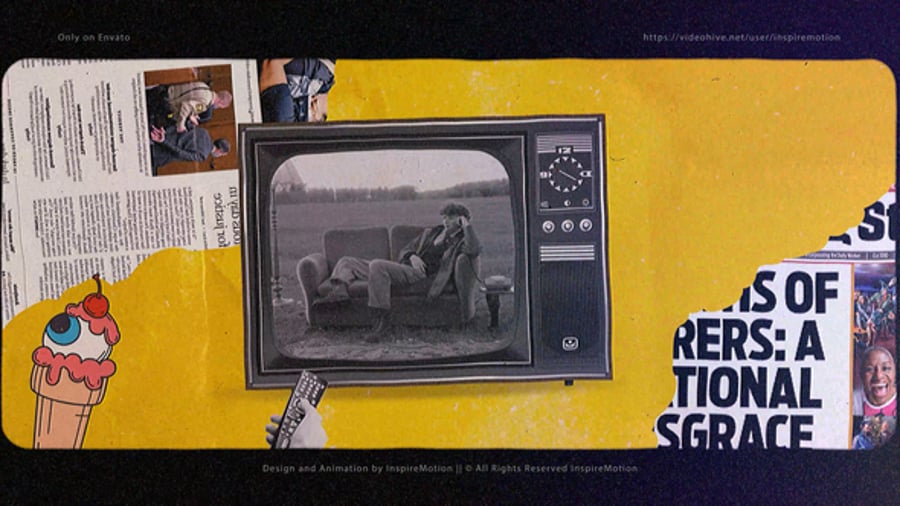
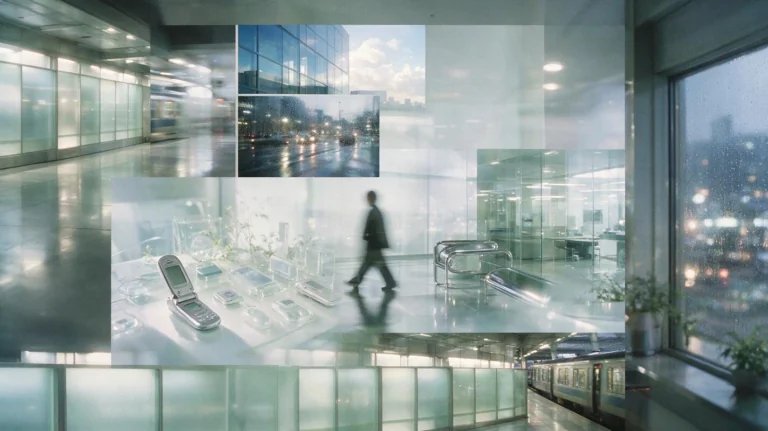
The grunge design trend: Why raw, messy aesthetics are back (and how to use them in 2026)
Discover why grunge design is trending again in 2026 and how to use textures, distressed type, and controlled chaos without sacrificing clarity or hierarchy.
Envato: Get every type of asset for any type of project, and access to AI tools. Start now
Ready to get back to basics? The natural world is your oyster! Here are some of the top organic design trends and how to integrate them into your designs...
Nature has long inspired designers and artists, and how could it not? It’s the source of everything that surrounds us, and there’s a never-ending list of organic elements to borrow ideas from.
The organic design trend uses natural, tactile elements to evoke the feeling, sight, and sound of being immersed in nature-inspired design. Recently, it’s appeared in everything: interior design, graphic design, branding, packaging, web design… you name it.
You don’t want to miss out on this trend in your creative work. We’ll show you why in this article, and how to do it using Envato and AI-generated assets.
Deeply rooted in our strong connection with the world around us, organic design tributes nature through textures, colors, and shapes. While often seen in product and industrial design, graphic design loves the organic trend too.
From botanical illustrations to eco branding and sustainable design, organic design is incredibly versatile and can be integrated into almost any medium, style, or technique.

Try this prompt in GraphicsGen:
Hand-drawn botanical pattern, natural palette, aged paper texture.
How can you tell you’re looking at a design inspired by nature? Let’s go through some of the key elements that make it up.
Neutral colors and pigments reflect nature’s muted tones: think clay, stone, sand, and faded greens. This earthy boho color palette creates a calming, grounded atmosphere and serves as a subtle backdrop for bolder elements.
Use GraphicsGen to create AI-generated layouts with earthy palettes or abstract backgrounds in warm, muted hues for your designs. There’s a world of possibilities, and the color combinations can vary a lot.

Try this prompt in GraphicsGen:
Branding template with neutral tones, sage green, natural textures, flat lay.
Organic shapes are asymmetrical, soft, fluid, and loosely structured. They often mimic forms found in nature, like leaves, waves, or stones. They add movement, softness, and a human touch to digital layouts.
Designers are increasingly using organic shapes in contrast with geometric forms, bright colors, and futuristic textures to achieve a modern, dynamic look. These shapes are effective in illustrations, fonts, logos, and product packaging.

Try this prompt in GraphicsGen:
Freeform abstract shapes, imperfect edges, neutral palette, organic texture.
Botanical design is a direct representation of flora in its natural form. Drawn in a realistic and organic style, it often features bold yet muted colors, fine lines, neutral backgrounds, and natural shapes.
Reminiscent of the still-life style that emerged in the 1600s, botanical design is now frequently used in posters and branding.

Try this prompt in GraphicsGen:
Vintage botanical pattern, fine line detail, soft tones.
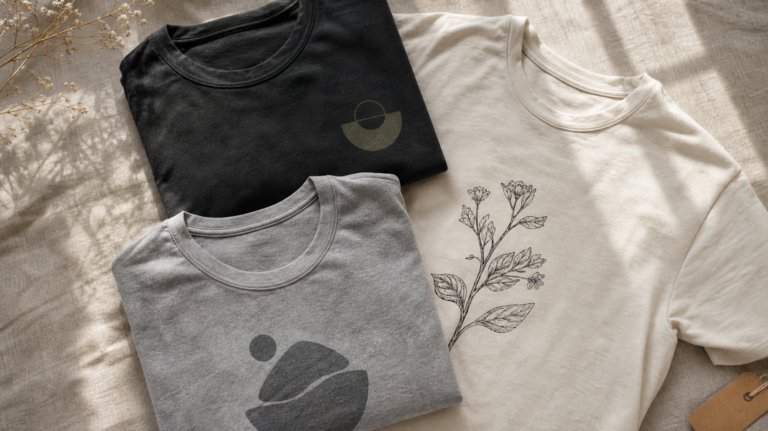
Natural textures, such as woodgrain, recycled paper, linen, and soil, bring tactile depth to otherwise digital spaces. These details can evoke warmth and realism to any design.

Try this prompt in GraphicsGen:
Logo for a wellness studio with a yoga teacher in leaf texture.
This trend also works beautifully with collage styles, where textures contrast with the digital elements to create the desired hand-crafted charm.
As organic design grows in popularity, more artists are dabbling into craftcore graphics to inspire their digital work. Hand-drawn and handmade designs are rising in response to increasing digital saturation.
Influencer and designer Sophie Vine is one of the designers who embrace this part of organic design:
“Whenever I want to get back to basics, I like taking my creativity offline and making things or doing craft with my kids.”
Arts and crafts offer tactile relief and creative inspiration. Many of these effects can be digitally recreated using Photoshop actions and brushes, ideal for invitations, logos, and mockups. Or, of course, you can try Envato’s GraphicsGen and play with different styles and prompts.

Try this prompt in GraphicsGen:
Organic makeup sale flyer for social media with texture.
Many forward-thinking brands are embracing organic graphic design to convey authenticity. Whether it’s through hand-drawn elements, plant-based palettes, or natural textures, these visual styles help brands stay rooted in nature-inspired aesthetics.
Below are some examples of brands that are using this trend beautifully.
Apartamento is known for its intimate, real-life take on interiors. It blends raw photography with organic layouts and soft serif typography. The magazine’s visual identity embraces imperfections: grainy textures, earth-toned palettes, and everyday objects.
But why is their work organic design? Here are a few hints:
Kinfield, an outdoor skincare brand, uses sun-washed tones, botanical illustrations, and playful yet earthy design elements to reflect a modern connection to nature. Its identity feels bright and clean but remains grounded through irregular shapes and organic motifs that evoke the outdoors.
Some of the elements that scream organic design are:
This Danish lifestyle and interiors brand emphasizes simplicity, warmth, and craftsmanship. Its branding and packaging feature natural textures, neutral color palettes, and slow-living aesthetics that align closely with organic graphic design principles.
We can tell it’s organic design because it displays the following features:
Bringing the organic aesthetic into your work is simple. As you now know, it’s all about the textures, colors, and patterns.
Whether you’re designing for branding, packaging, or digital content, here are some ways you can get started by using Envato and AI tools.
Tip: Consider subtle accent tones like lavender or cerulean blue for contrast within your earthy palette.
Another essential tip is to use AI tools to generate earthy textures and organic motifs. The right AI art prompts can help you create custom backgrounds or elements that feel hand-crafted.
Some prompts you can try include:

Try this prompt in GraphicsGen:
Hand-painted botanical elements on textured paper, soft earth tones.

Try this prompt in GraphicsGen:
Minimal collage of overlapped organic, nature-inspired shapes with texture layers.
Organic design has roots in the Arts and Crafts movement of the late 19th century, which emphasized the value of natural beauty and handmade objects. This movement was a response to industrialization and paved the way for hand-drawn, tactile aesthetics in visual art and design.
Later on, mid-century modernism helped push things forward with its smooth, organic shapes showing up in everything from furniture to posters. Fast-forward to the ‘90s and beyond, and eco-friendly branding started making waves, bringing those natural vibes into digital design as sustainability went mainstream.
Some of the key designers, artists, and events leading to the trend include:

Try this prompt in GraphicsGen:
Hand-crafted botanical poster, arts and crafts style, earthy tones, vintage layout.
In recent years, with the overwhelming tech saturation, we’ve seen the return of hand-drawn, painterly, and analog-inspired aesthetics. This return to “basic” materials and tactile effects marks a significant shift toward authenticity in graphics (and aligns perfectly with today’s demand for nature-inspired design).
Yes, if applied subtly. Use soft colors, minimalist layouts, and natural accents to add warmth without losing professionalism.
Organic is soft and modern, a design inspired by nature. Rustic has a more vintage style, often rugged and distressed. Organic is refined, while rustic has a nostalgic design vibe.
Avoid overused leaves and recycled textures. Use unique plants, real materials, and unexpected layouts. Personalization and region-specific themes go a long way.
Soft serif fonts, hand-drawn scripts, and rounded sans-serifs all pair well with organic aesthetics. Look for fonts with gentle curves and natural flow.
Absolutely! Contrast creates impact. You can use organic textures with bold type or structured layouts for a fresh feel.
From neutral tones to hand-crafted textures, organic graphic design invites us to slow down and reconnect with natural beauty. Whether you’re designing for a wellness brand or looking to add authenticity to a digital layout, this trend is a versatile, elegant, and calming alternative with plenty of room to play using an earthy color palette.
Explore more AI trends, graphic design trends, and unmatched design tutorials on the Envato Blog and Envato Tuts+.
Discover why grunge design is trending again in 2026 and how to use textures, distressed type, and controlled chaos without sacrificing clarity or hierarchy.
Learn how to upscale images with AI using ImageEdit. Enlarge photos 2x or 4x while preserving sharpness, texture, and detail for print, design, and marketing.
Swash fonts add a touch of drama and elegance to any design. Explore our curated selection of fonts with swashes and flowing tails to give your typography that extra flourish your projects deserve.
Explore 27 Norse fonts for standout branding in 2026, from rune-inspired and Viking display styles to modern Scandinavian typefaces with bold character.