
Envato: Get every type of asset for any type of project, and access to AI tools. Start now

Why has branding gone OTT? A 10-step guide to Gen Z maximalism

Minimalism. Good taste. Beige. In 2026 some things just don’t sound right when it comes to design.

Grace Fussell 12min read
Why has branding gone OTT? A 10-step guide to Gen Z maximalism

Unlocking successful Gen Z marketing doesn’t need to be a guessing game. With these research-led insights, discover why analog aesthetics and liquid fonts are not only key calling cards of Gen Z branding, but speak volumes about how this demographic engages with design in 2027.

In this guide, we look at how to master Gen Z maximalism for branding projects, website designs and more, transporting TikTok aesthetics into real-world designs. Throw out the old rulebook and discover these ten rules to live by for maximalist brand design. Because less, quite frankly, is a bore.

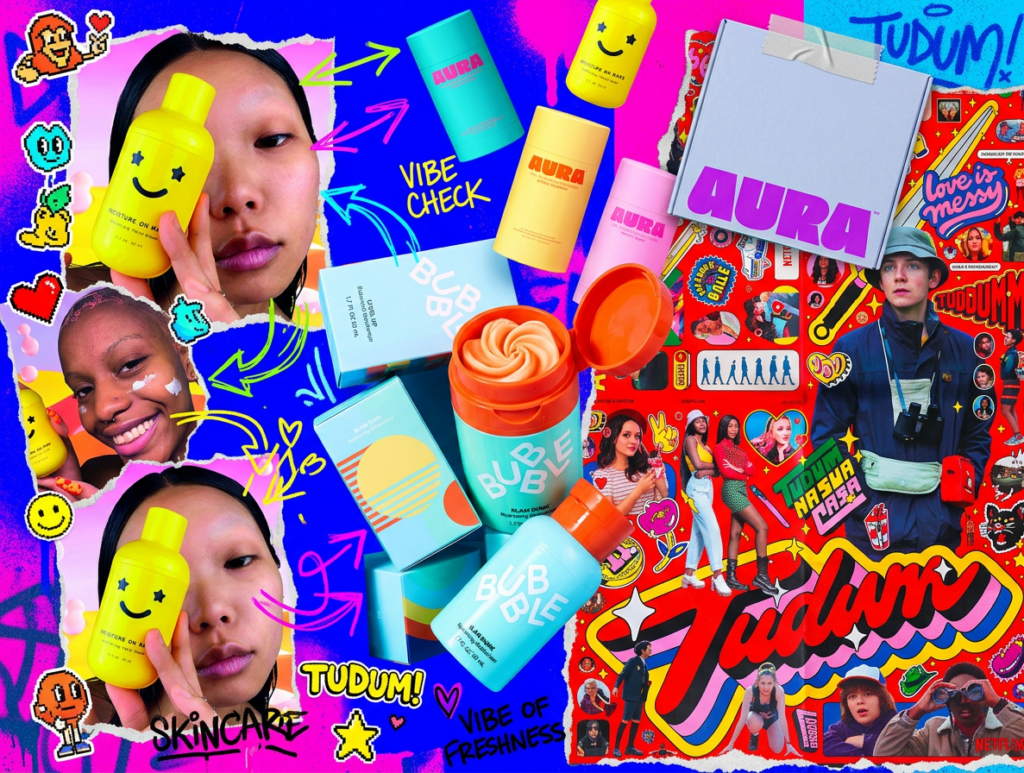
A colorful, busy collage featuring skincare products like Bubble and Aura, portraits of people, and graphic text like "TUDUM!" and "VIBE CHECK." The style is vibrant and youthful.
Image: Netflix

Who are Gen Z?

Gen Z are the generation born between 1996 and 2010. They’re digitally naturalized, highly educated and ethnically diverse, with an interest in social issues and a realist attitude that is set against a backdrop of corporate disillusionment. 

The branding Gen Z respond to is also hugely diverse, reflecting a desire for authenticity and aesthetic originality in the brands they buy from.

For Gen Z, brands live in the same places they socialize, on social media platforms like TikTok and in real-world collective spaces. As a result, brands are morphing into friend-like personalities, moving away from the lofty minimalist entities favored by Millennials.

Gen Z’s self-expression through branding

Gen Z are the first generation in quite some time to turn the traditional branding playbook on its head. In the 1980s, hyper consumerism made garish, maximalist design de rigour, until the minimalist 90s put a stop to all of that. Since that point, clean, ‘tasteful’ design has been the calling card of creative agencies and aspirational brands, such as Calvin Klein, Nike, Apple and Chanel. 

Minimalism’s appeal lay in the fact that it didn’t advertise wealth, it whispered it. But for stressed-out Gen Z, ‘wealth’ is a complex concept. Entering the labor market under the cloud of Big Tech, AI and mass redundancies, secure employment is not only rare, but makes little sense to aspire to. Some members of Gen Z have disposable income, while others do not, but most are likely to spend on small products or subscriptions over expensive investment buys.

Anxiety amongst this generation is also at an all-time high, with digital fatigue contributing to a growing loneliness epidemic that is sadly slipping under the collective radar. 

But it’s not all doom and gloom. While Gen Z are struggling to keep up with a world changing at breakneck speed, they are reacting with creative self-expression.

If the corporate world shuts them out, they will simply find space elsewhere to showcase their identity. Social media is a natural home for Gen Z, but they also find connection through live events, music, fashion and design. 

Compared to minimal Millennials, Gen Z are more confident in expressing individuality and personal opinion, valuing diversity, mental health awareness and social justice.  Because they are less likely to identify closely with corporate entities — even if they are employed by one — Gen Z are more individually-minded, prioritising authenticity over social obligation. 

This outlook translates to the brands Gen Z connect with. Authentic branding is far superior to sticking-plaster aesthetics, and businesses who prioritise core values like sustainability and diversity are more likely to find favour with this audience. 

Alongside this runs the inclination towards highly expressive maximalism, rejecting Millennial Blanding and any hint of corporate styling. As a result, we’re starting to see brands embrace OTT styling that mimics social media aesthetics, or even blending together various maximalist styles for an even more hyper-saturated effect. 

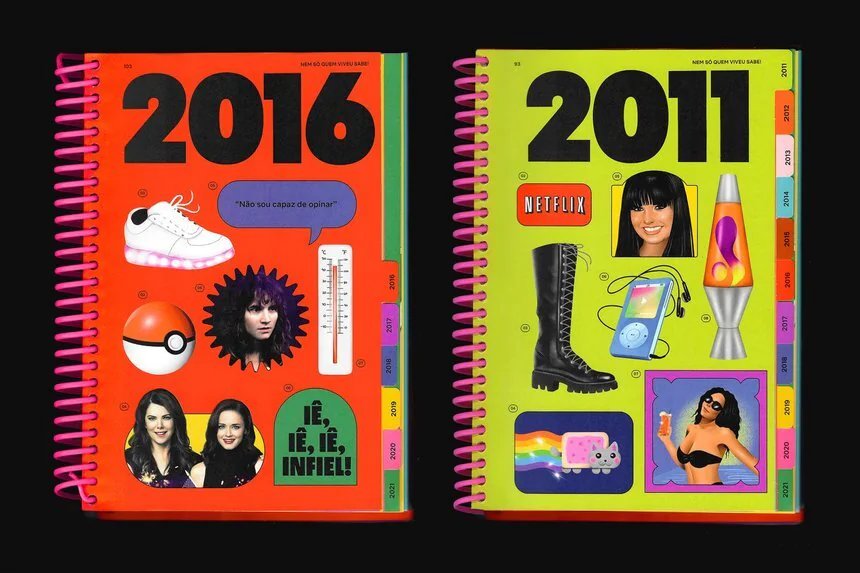
Two colorful spiral-bound books, one orange for 2016 and one lime green for 2011, are covered with various pop culture references and items from those years, including sneakers, Pokémon, Netflix, lava lamps, and celebrity images.
Image: Netflix

Gen Z maximalist branding: 10 rules to live by

Maximalism doesn’t just mean dense, busy layouts. Gen Z maximalism comes in many forms, and it’s not just about surface aesthetics. Gen Z maximalism is about offering more to your audience — more originality, more detail, more consideration. 

These 10 Gen Z branding rules offer guidance on the core aspects of maximalist Zoomer marketing, as well as go-to creative resources for campaigns and design projects aimed at Gen Z.

1. Analog aesthetics

The first completely digital native generation, Gen Z may be chronically online but that isn’t to say they are romanced by brands that lean into digital aesthetics too heavily. In fact, many Zoomers, as Gen Z are also known, are so accepting of digital culture as the norm that brands who present an alternative vision may be rewarded with lasting brand loyalty. 

Polaroid frames, analog textures and gritty LUTs transport Gen Z back to a pre-internet era, but digital nostalgia design also resonates with this demographic. Pixelated fonts and retro computer graphics feel cosy and innocent, with trends like Frutiger Aero cocooning Gen Z in early internet aesthetics.  

2. Authentic messaging

For Gen Z, performative branding can be spotted a mile off. Authentic messaging is a huge deal in Gen Z marketing, but it can be really difficult for traditional brands to break through. Established brand giants like Estée Lauder, Levi’s and Coca-Cola have all struggled to appeal to Gen Z, due to a perception that they are large corporates lacking authentic values and cool appeal. Independent brands tend to have greater success, because their messaging feels more genuine and hard-won.

We can split authentic messaging into three categories — brand ambassadors, marketing messaging and authentic design.

Choice of brand ambassador is crucial to nailing Gen Z authentic messaging. Influencer branding is still a successful strategy to observe for Gen Z, but compared to the glossy Instagram influencers preferred by Millennials, Gen Z prefer accessible, diverse influencers who are more likely to have a home on TikTok or Snapchat.

Marketing messaging also needs to feel genuine and relaxed. Avoid sales slogans or try-hard puns. Be up front, frank and naturally witty.

Underpinning authentic messaging is authentic design that matches the mood of the copy. Authenticity can be communicated through showing real skin textures, candid photography and grittiness.

3. IRL

As much as Gen Z are digital natives, reliance on social media interaction only serves to highlight a growing drought of real connection for this generation. Interest in Instagram is dwindling, while physical spaces for meeting likeminded communities are increasingly sought after. 

Brands who create spaces for connection, such as pop-ups, cafes and music events, will cultivate long-lasting loyalty from social-starved Gen Z.

As an example, Spotify frequently host creatively-pitched live events, from curated Depop closet sharing to vibrant cabaret pop-ups. 

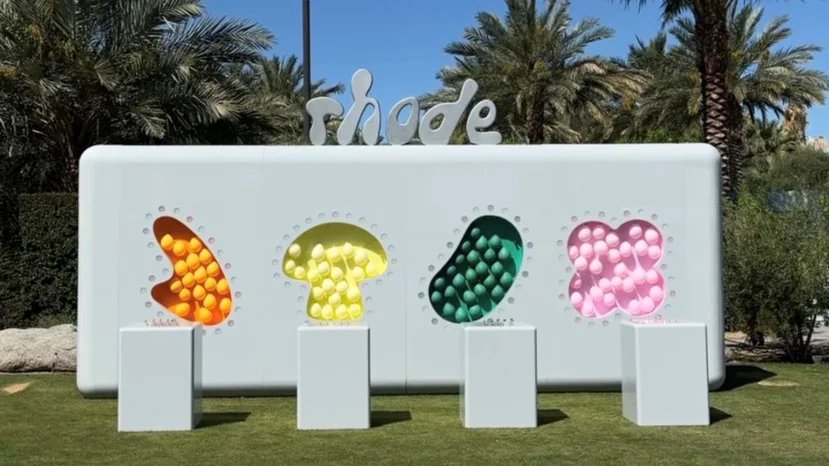
For designers, it’s important to note that aesthetics will need to translate fluidly across every type of brand media, helping to build an immersive Gen Z brand experience. Take inspiration from beauty brand Rhode, who transformed the brand’s packaging aesthetic into Rhode World for Coachella 2026, which boasted chrome sculptures, a tequila photo booth and Sephora glam room.  

A white 'rhode' display with four colorful, sphere-filled cutouts in orange, yellow, green, and pink, on a grassy lawn with palm trees.
Image: Rhode Skin

4. Expressive type

Forget every design rule you’ve ever learned about typography. When it comes to Gen Z branding, the only thing that matters is that type is individual and expressive. 

Bubble text, liquid typography and hand-drawn fonts help to tell a story rather than sell a product. Distinctive logo fonts stand out in a hyper-saturated market, bringing personality and character to brand identities.

5. Storytelling

The best way to curate a Gen Z brand is to not think of it as a brand at all. With consumers more likely to respond to authenticity than slick corporate polish, old-fashioned storytelling has become a key strategy in Gen Z marketing.

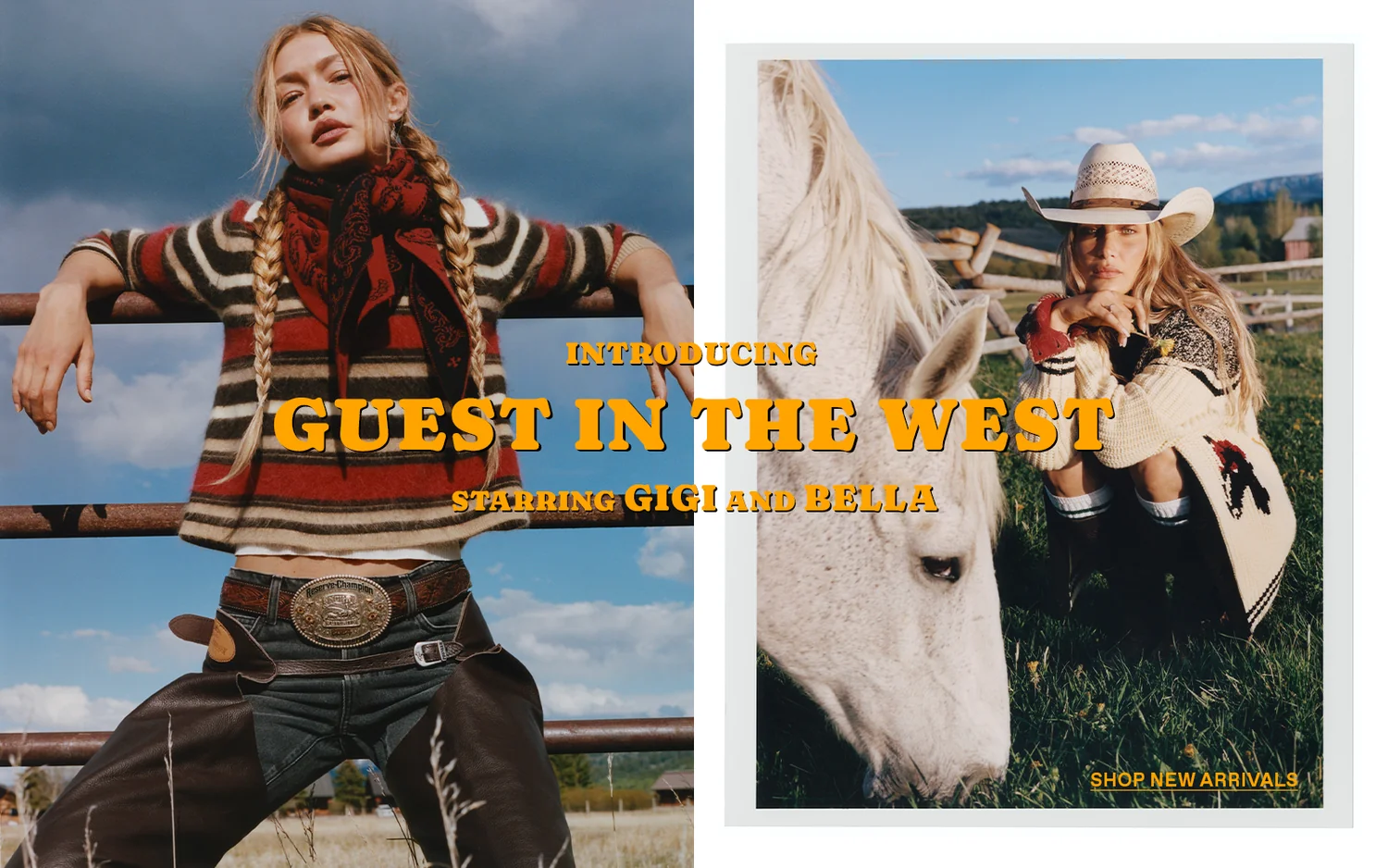
You’ll see more brands are starting to turn to cinematic advertising over a conventional sales pitch, but this isn’t a blockbuster Hollywood affair. Behind-the-scenes narratives that mimic the candid style of social media reels, or nostalgic videos that reference vintage films, like in the Guest in Residence campaign for Fall 2026, Guest in the West, feel like micro storytelling experiences, perfect for social media clips and YouTube.

Two models, Gigi and Bella Hadid, in Western-themed attire. Gigi leans on a fence in a striped sweater and chaps. Bella crouches by a white horse in a knitted cardigan and cowboy hat. Text reads 'Guest in the West starring Gigi and Bella'.
Image: Guest in Residence

6. Adorkable design

If you’ve not heard of ‘adorkable’, get acquainted! Goofy, cutesy design that merges childlike cartoon illustrations with offbeat themes is a key mood for Gen Z branding. Adorkable graphics and awkward fonts connect with Gen Z’s wacky side, and give brand designs an alt-culture feel. 

Look for quirky sticker bundles and colourful cartoons that mimic styles made popular by anime and retro TV shows.

7. Color, color…and more color!

Millennial Pink is long gone. In its place? A chaotic cacophony of color, marking out Gen Z as the generation that refuses to be color-cornered. 

While a rainbow of bold brights in every hue can help achieve that Gen Z maximalist aesthetic, there are some colors that feel unmistakably ‘Gen Z’. Grass green, acid yellow, strong purple and cobalt blue are unapologetically bold colors which can be combined to create OTT brand palettes for digital and print.

8. Forget cut-and-paste branding

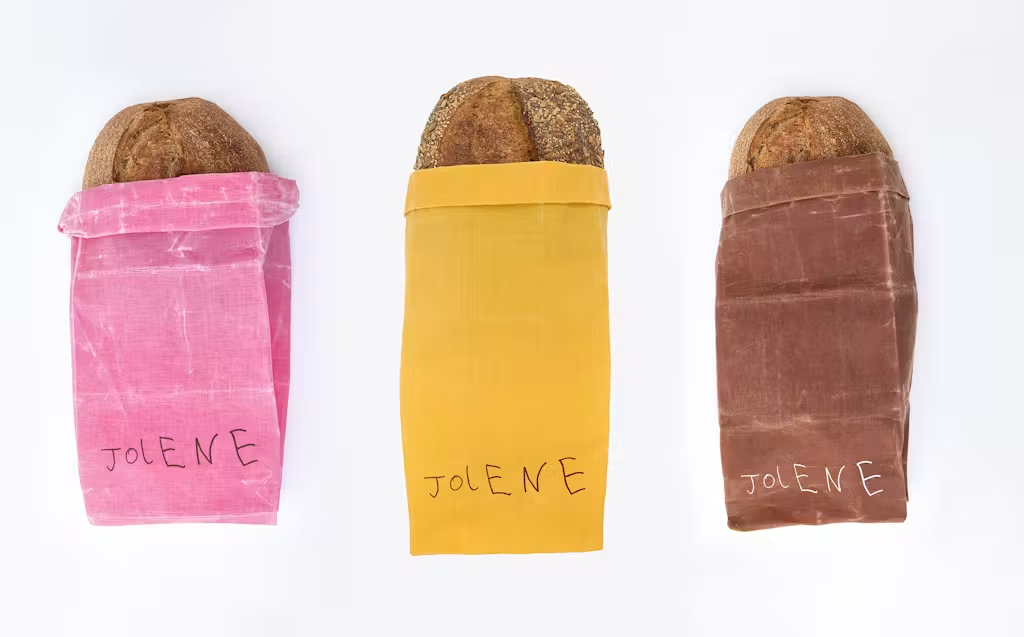
What Gen Z want more than anything is to be seen. Seen as an individual and as a unique, creatively-minded consumer. No wonder then that many Gen Z consumers are starting to turn their back on cut-and-paste repeat branding, aspiring to genuinely original design instead. 

Millennials were arguably a lower-effort audience to market to with their penchant for minimalism. Gen Z are a more demanding bunch, but deservedly so. Why should all brands look the same, coated in pop pastels and cartoon fonts? 

Brands who are brave enough to try something different are more likely to be rewarded in this increasingly competitive and aesthetic market.

Image: Jolene Bakery

9. Anti-design

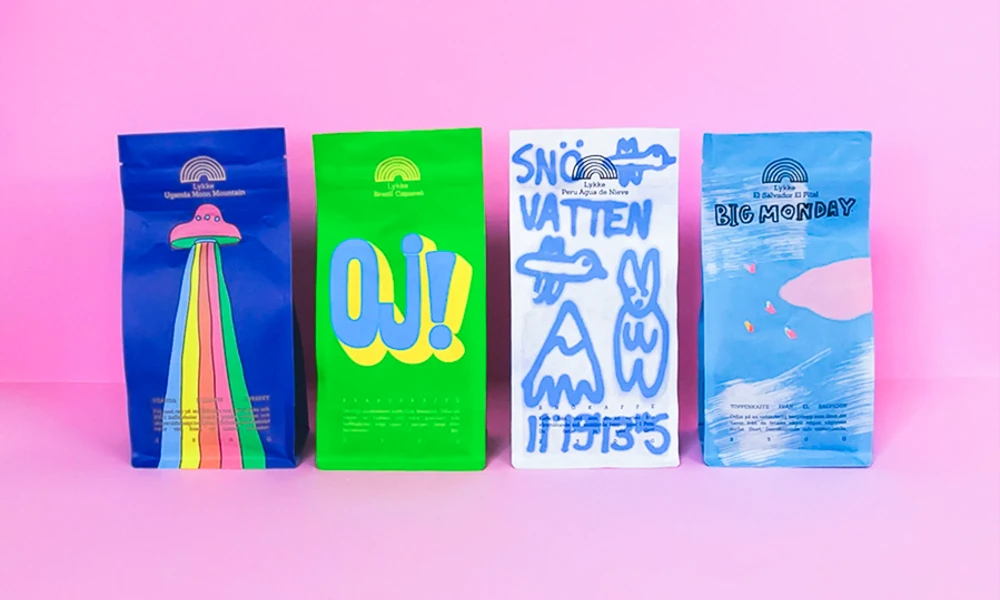
2024’s Brat Summer ushered in an era of anti-design, opening the doors to alternative design aesthetics that blend anarchy and 90s skater culture. 

Into 2027, the anti-design trend continues to evolve, gradually becoming more digestible and commercialized, manifesting as super-maximalist chaos packaging, adorned with stickers and slogans, and disruptive website design.

Four colorful Lykke coffee bags standing in a row on a pink surface. Designs include a blue bag with a UFO and rainbow, a green bag with 'OJ!', a white bag with 'SNÖ VATTEN' and doodles, and a light blue bag with 'BIG MONDAY' and a pink cloud.
Image: Lykke Coffee Farms

10. Humor

When did branding become so…unfun? Minimalism may be sleek and stylish, but it lacks warmth and wit. 

Gen Z love quirk, demanding brands that behave like friends rather than sterile entities. 

Cartoon characters, kooky illustration and meme culture can be built into Gen Z branding to up the fun factor, and there’s no danger in trying to inject joy and humor into your brand designs.

Gen Z branding examples

These Gen Z branding examples demonstrate the diversity of current Gen Z branding, across logo design, packaging design and product design. Each of these three brands offers a unique perspective on Gen Z marketing inspiration, demonstrating an original and aesthetic approach that put them head and shoulders above the competition.

Aura

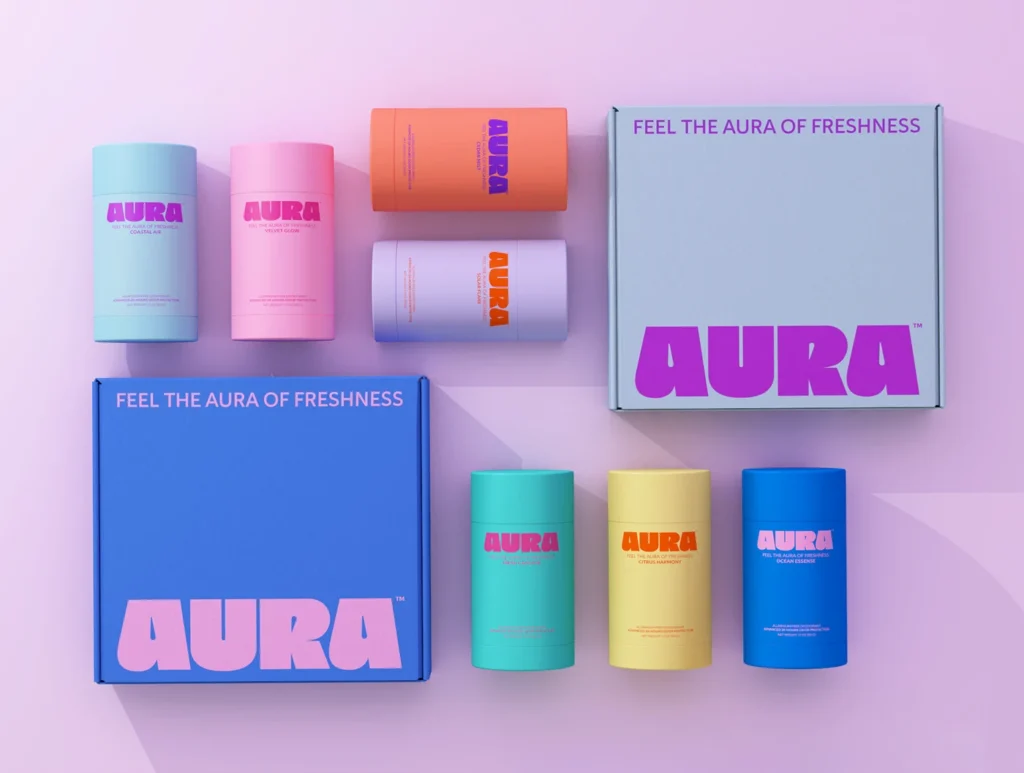
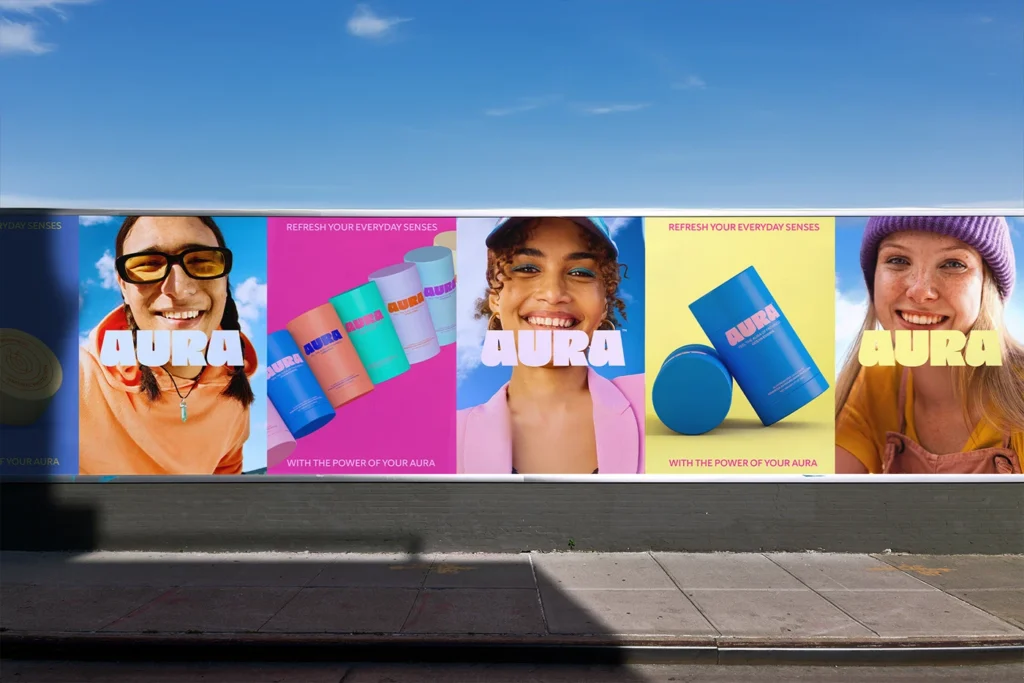
The disruptive deodorant brand Aura sells unisex products aimed at a young audience. The brand identity and sustainable packaging design created by Constantine Leftheriotis combines bold typography with a fresh, pastel color palette. 

Aura’s branding is a great example of how to balance minimalist design and maximalist elements in a Gen Z design, presenting a clear and distinctive brand identity.

A colorful collection of Aura brand deodorant sticks and two branded boxes on a pink background.
Image: Aura
A large outdoor billboard advertising 'AURA' products, featuring five panels. The panels show diverse people smiling, colorful cylindrical products, and text promoting refreshed senses, set against bright backgrounds and a blue sky. The billboard is above a dark brick wall and a concrete sidewalk.
Image: Aura

Spotify

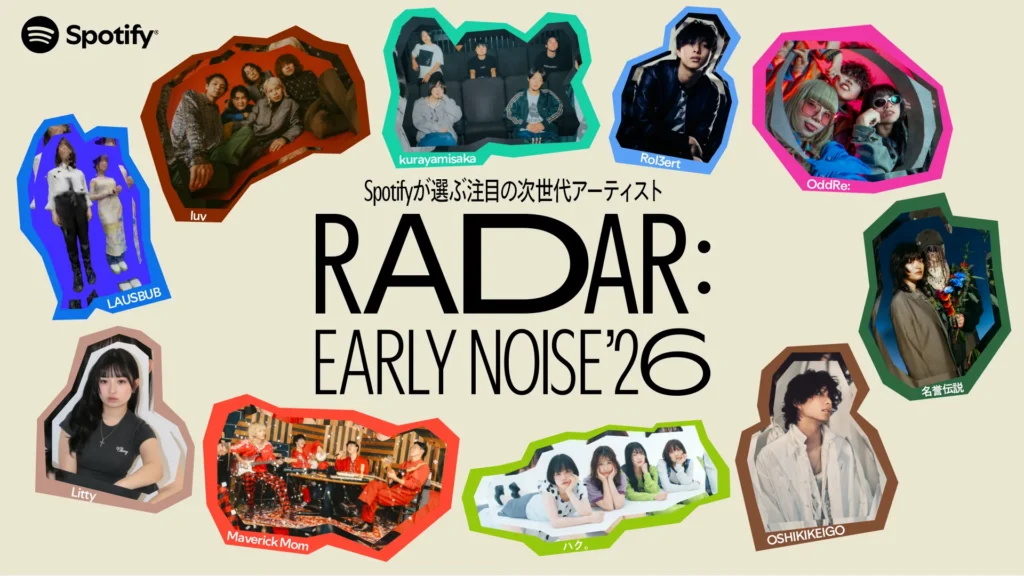
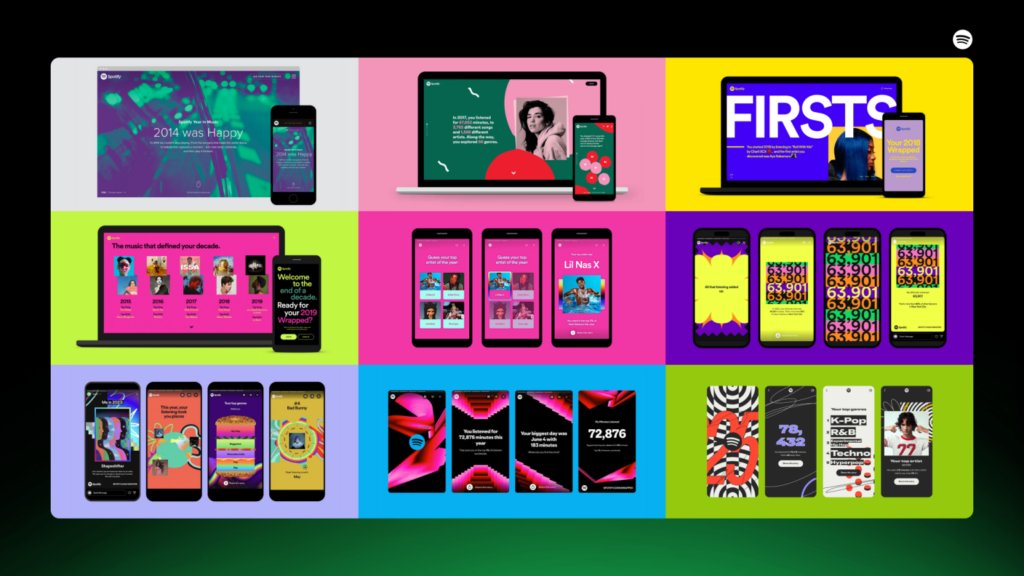
Despite online backlash following the release of a temporary disco-ball logo in May 2026, Spotify continues to top the list of most popular Gen Z brands, with Spotify Wrapped the branding highlight of the year for both streamers and agency insiders.

What sets Spotify’s branding apart is the streaming giant’s attention to aesthetic detail as well as its ability to build brand momentum through highly creative visual campaigns. Artist Easter eggs, an ever game-changing Wrapped aesthetic, and branded live events keeps Spotify’s identity feeling both fresh and familiar, an enviable balance that uniquely appeals to Gen Z listeners.

A Spotify promotional image for 'RADAR: EARLY NOISE '26', showing a collage of nine different musical artists and groups within colorful, irregular frames on a beige background.
Image: Spotify
A grid of nine panels, each displaying Spotify Wrapped screens on laptops and smartphones, featuring personalized music data, artists, and genres from various years.
Image: Spotify

Daise Beauty

One of the most crowded sectors of the Gen Z branding market is beauty. Cutting through the noise, disruptive celebrity-headed beauty brands like Rhode and Rare Beauty have enjoyed major success with Gen Z, no doubt causing alarm bells to ring at the HQs of established beauty stalwarts like L’Oréal and Estee Lauder. 

Aesthetic packaging design and colorful social media feeds mark out this new generation of beauty businesses, which use aesthetics and ethics to win a slice of this lucrative market. 

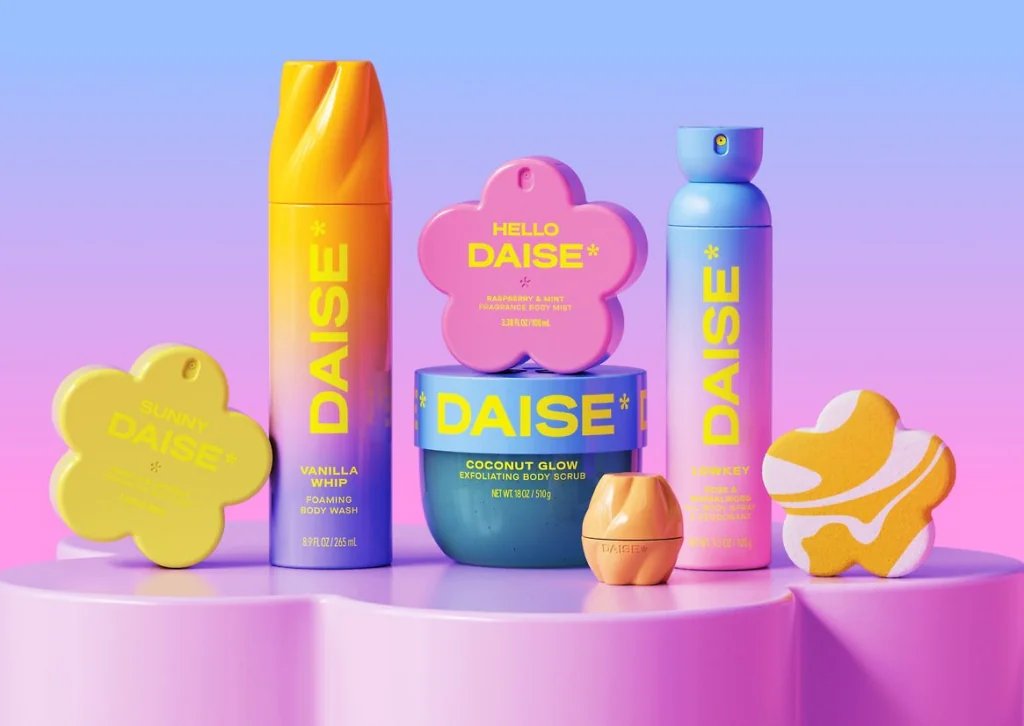
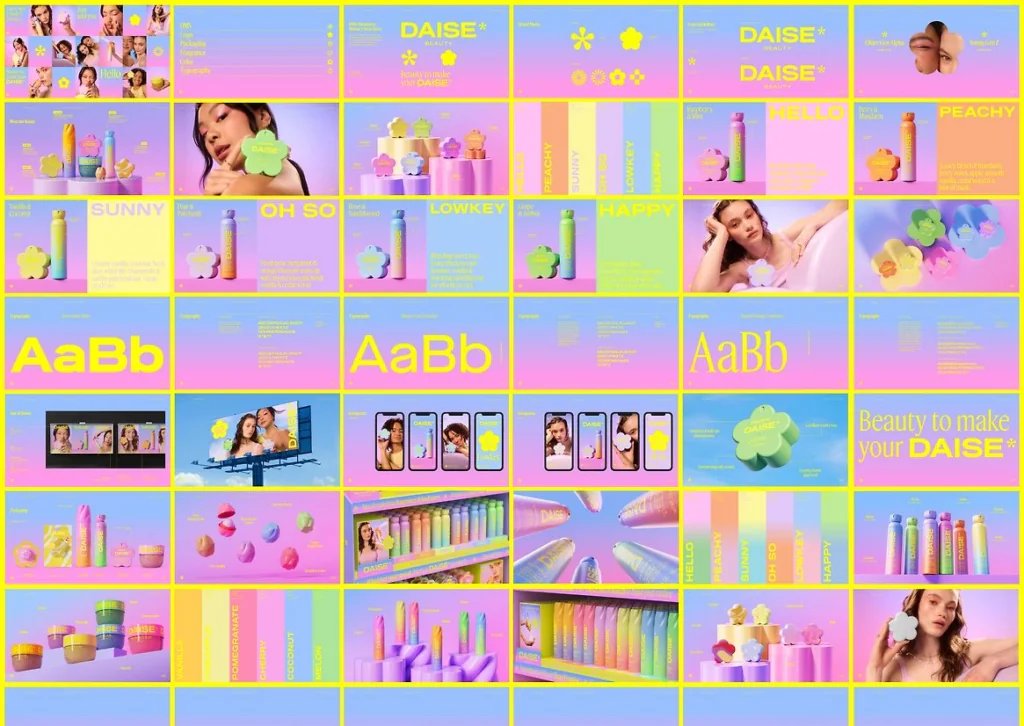
Aimed at younger Gen Z women, Daize Beauty employs Gen Z branding to full effect, with dazzling rainbow gradients, tactile packaging design and childlike video game-inspired campaigns that make early beauty experiences fun and whimsical. 

A collection of seven colorful Daise body care products, including body wash, scrub, and fragrance mists, displayed on a pink platform against a gradient background.
Image: Daise Beauty
A grid of 36 colorful marketing images for DAISE* Beauty, featuring flower-shaped products, models, branding, and mockups.
Image: Daise Beauty

Gen Z: The brandless generation? 

When is a brand not a brand? With more brands straying as far as possible from corporate tropes, many Gen Z brands behave more like kooky friends than sales platforms.

While it would be easy to dismiss Gen Z branding as overly trendy or OTT, it’s clear that marketing has shifted drastically in response to this young generation. Gen Z are ripping up the rulebook of traditional marketing, keeping brand designers on their toes well into 2027.  

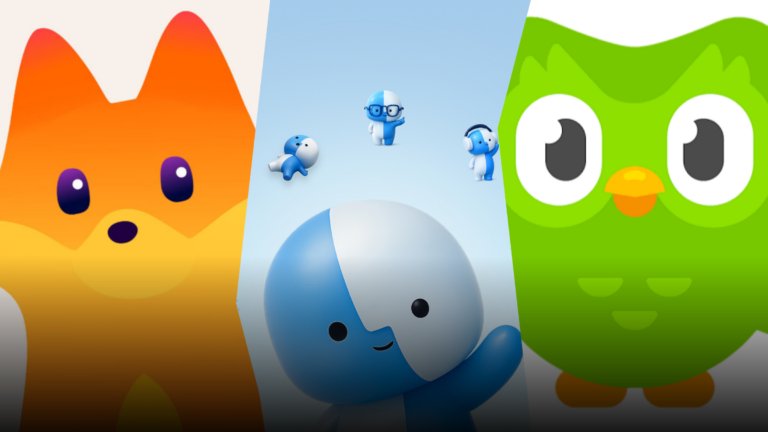
It feels like an exciting and expressive time to be working in brand design, but you’ll need to be trend-savvy to stay ahead of the curve. Discover why Hyper Goo has been tipped as the most impactful 2026 design trend, and how that old familiar friend, the brand mascot, is back with a bang for 2027 branding. 

Gen Z branding FAQs

Feature image: Netflix

Related Posts

Minimalism. Good taste. Beige. In 2026 some things just don’t sound right when it comes to design. Younger consumers are shaking things up and demanding so much more from the brands they buy. More fun, more color, more chaos.

DesignNew

The return of the brand mascot (and how to create your own)

Football teams have them. Your local diner probably has one. Mascots are ever-present, but have rarely taken center stage in mainstream branding over the past decade. That’s all set to change as major brands launch an army of fresh mascot designs, vying to win over our hearts and wallets. In 2026, your brand isn’t really […]

Grace Fussell 12min read